The Great Fragrance Reset: Why 90s Blockbusters Are the New Underground
After a decade of chasing the most obscure resins and spending (not that) small fortunes on “exclusive” blends, the world of perfumery has reached a tipping point. As niche fatigue sets in, the most radical act isn’t finding a scent nobody knows, it’s returning to the iconic bottles that defined our lives. We’re diving back into the aquatic, ozonic, and unapologetically bold world of the 90s to reclaim the scents that actually mean something, proving that “mass-market” was once the height of avant-garde.
If I hear the word “niche” once again, I might just lose my mind. We have been conditioned to believe that for a scent to be truly “luxe,” it must be rare, prohibitively expensive, and preferably smell like a damp fireplace in a Baltic forest. But in this race for exclusivity, we’ve lost the plot. We’ve traded soul for status, forgetting that the true magic of a fragrance lies in the visceral memories it triggers rather than the price tag on the flacon.
Think back. I’m talking about that first “adult” bottle you proudly walked home with, tucked into a glossy shopping bag and paid for entirely with your own saved-up teenage allowance. It was more than a liquid; it was your first ticket to an identity you chose for yourself. I’m talking about the sophisticated, heady mist you used to stealthily spray from your mom’s dressing table when she wasn’t looking, hoping to catch a glimpse of the woman you’d eventually become. Or the soft, comforting trail of a specific, powdery floral that will forever be the olfactory signature of an adorable granny, bringing back the warmth of her kitchen with a single sniff. These scents weren’t “limited editions”—they were the soundtracks to our lives. Here is why it’s time to go back to the 90s future and embrace the icons we once took for granted.
CK One by Calvin Klein: The Radical Act of Being Simple
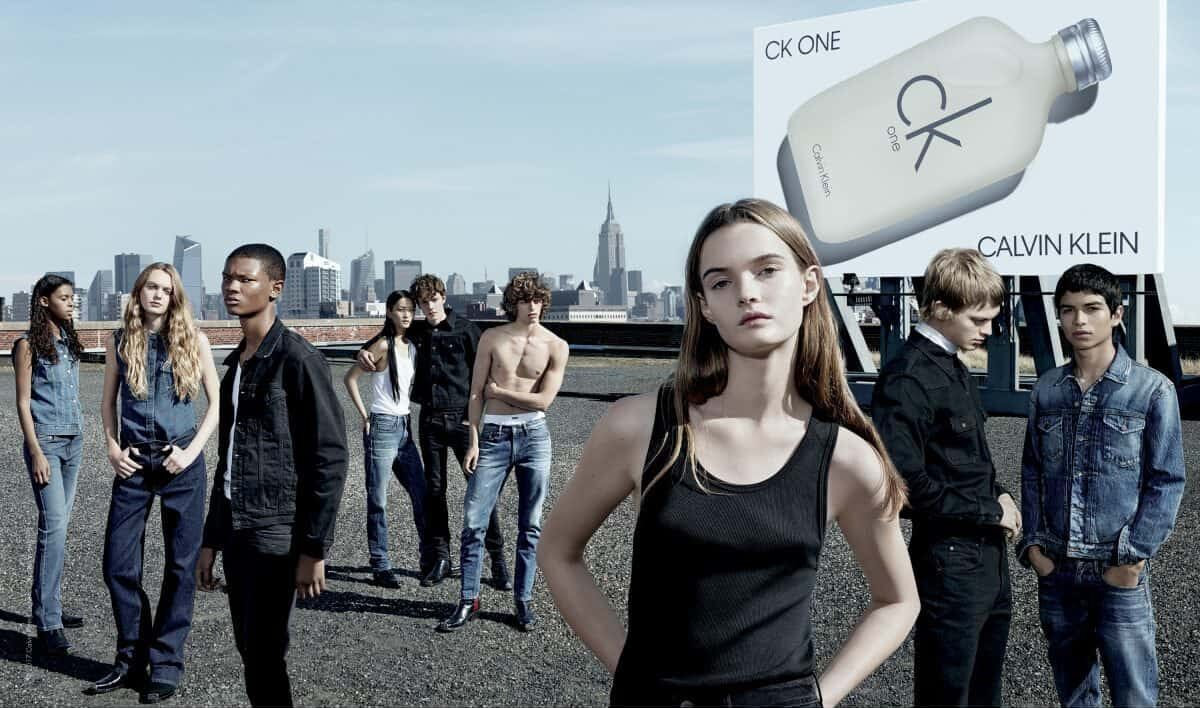
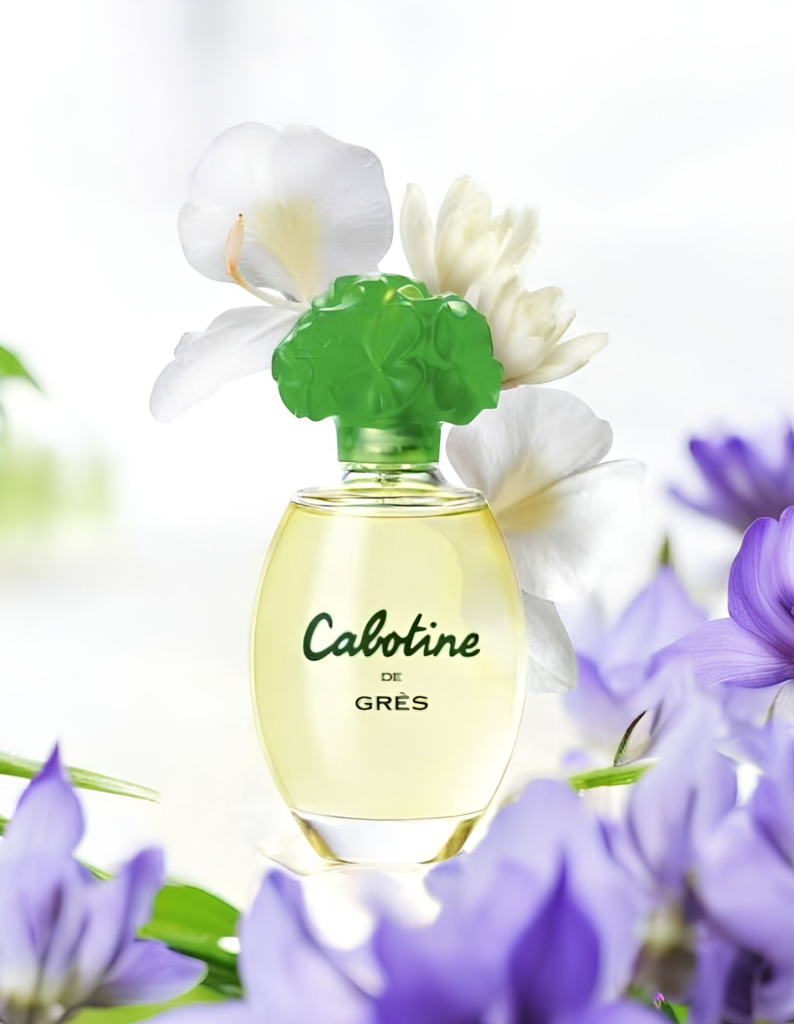
In a current market saturated with complex “private blends” and heavy ouds, the clean, citrusy transparency of CK One feels revolutionary all over again. When it launched in 1994, it didn’t just break the rules; it rewrote them, being the first to boldly tell us that gender was a social construct and that smelling “clean” was the ultimate grunge-era flex. Its frosted glass bottle and utilitarian screw-cap signaled a move away from the opulence of the 80s toward a shared, democratic vision of beauty. Today, wearing it feels like a palate cleanser, a crisp, bergamot-soaked reminder that sometimes the most sophisticated thing you can be is uncomplicated.
Cabotine de Grès: The Green Rebel on Mom’s Vanity
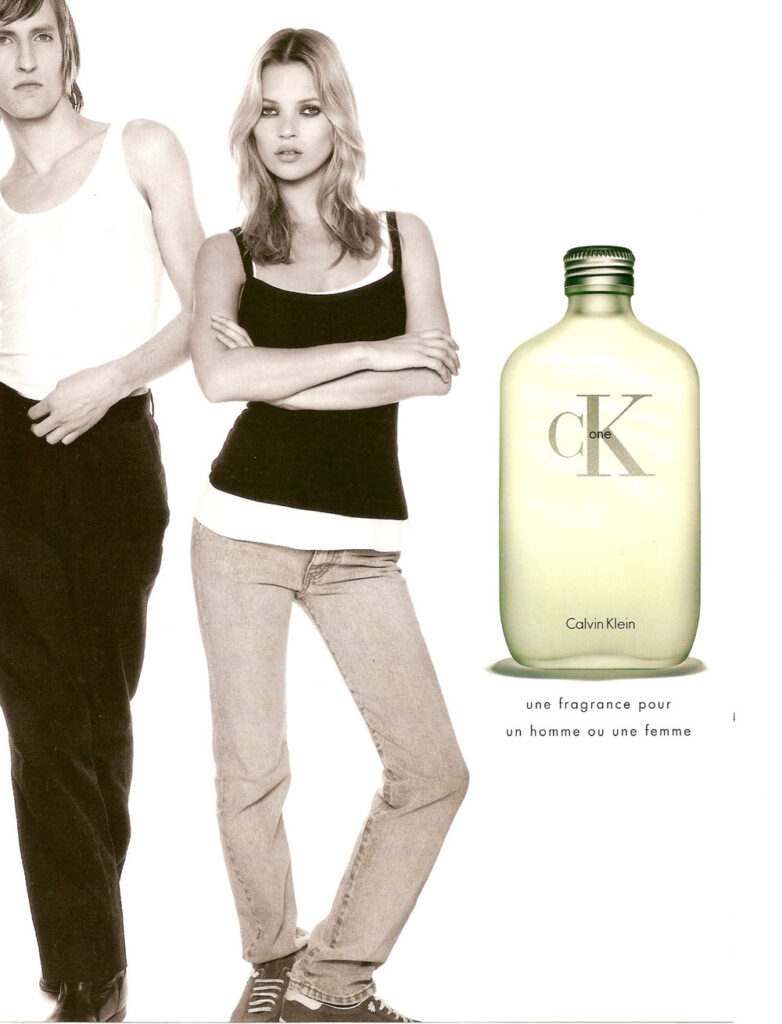
Often the first “grown-up” scent we encountered in the wild, Cabotine is a wild, joyful explosion of ginger, ylang-ylang, and tuberose. It’s loud, it’s sharp, and it possesses a spirited, almost unruly personality that makes today’s polite, minimalist niche offerings seem incredibly boring by comparison. Many of us remember the distinct green “broccoli” cap sitting prominently on a mother’s or aunt’s vanity, a symbol of 90s femininity that wasn’t afraid to be slightly “too much.” Reclaiming this scent today is a nod to that era of exuberant green florals, offering a punch of nostalgia that cuts through the modern fog of gourmand sweetness.
Elizabeth Arden Green Tea & Sunflowers: The High-Street Masterpieces
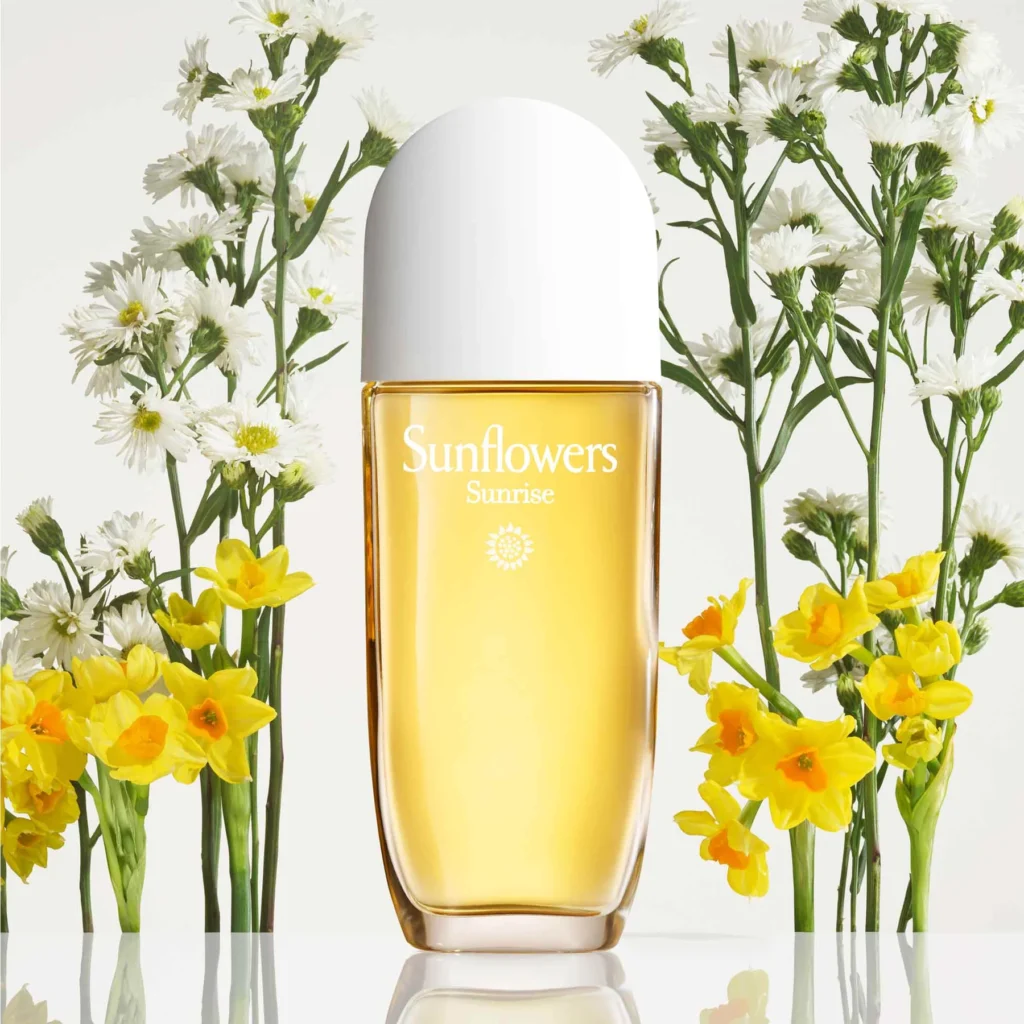
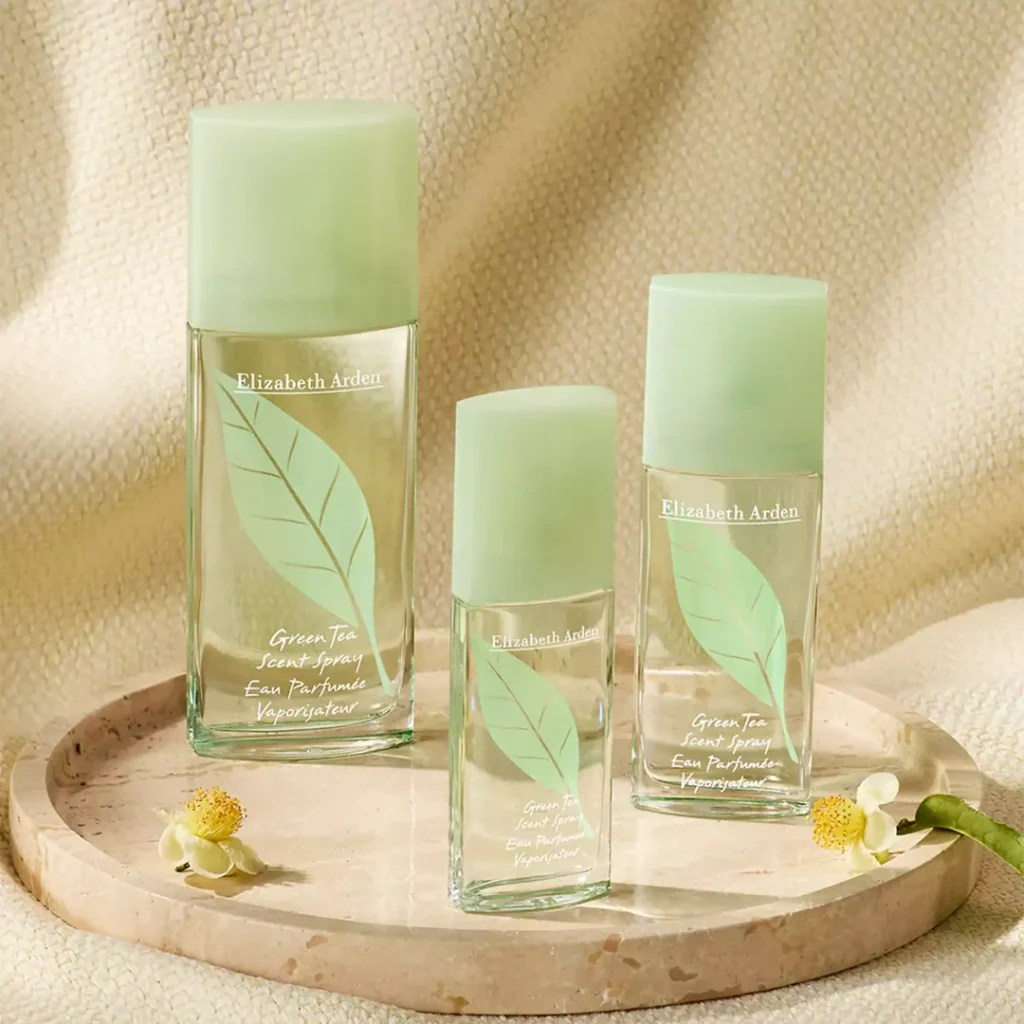
These were the ultimate allowance-friendly heroes, the accessible gateways to the world of fine fragrance. Green Tea is a genuine masterclass in zen-like citrus, a composition so refined it’s hard to believe it was crafted by a young Francis Kurkdjian before he became a niche superstar himself. Meanwhile, Sunflowers remains bottled optimism, a bright melange of melon, peach, and jasmine that defined the mid-90s “feel-good” aesthetic. They prove that you don’t need a four-figure price tag or a secret boutique to create a lasting emotional imprint; sometimes, the best memories are found on the shelves of a neighborhood pharmacy.
Acqua di Gio by Giorgio Armani: The Blue Revolution
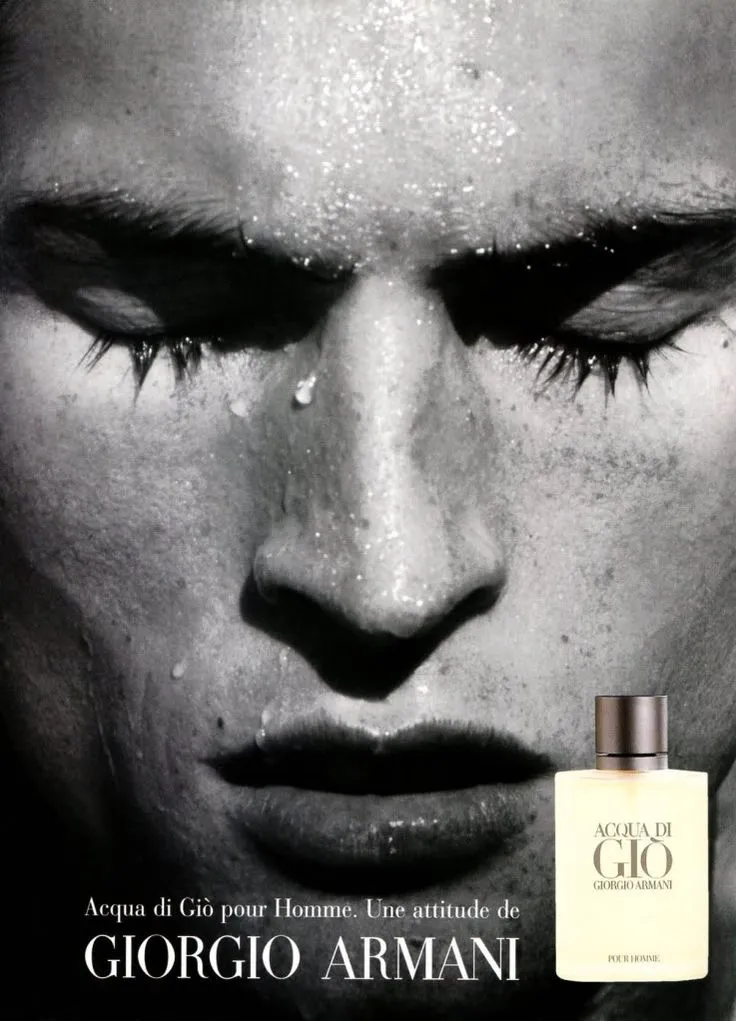
Before every niche brand had a “marine” or “salt” collection, there was the undisputed king: Acqua di Gio. It managed to capture the salt, the wind, and the Mediterranean sun with a mineral clarity that completely redefined masculinity, moving it away from the heavy, spicy musks of the previous generation. Its success was so massive that we almost forgot how innovative it actually was, a technical marvel of synthetic sea-notes and hedione. Returning to it now, away from the hype, reveals a timeless, effortless, and universally flattering structure that still smells like a fresh start on a summer morning.
L’Eau d’Issey by Issey Miyake: Architecture in Liquid Form
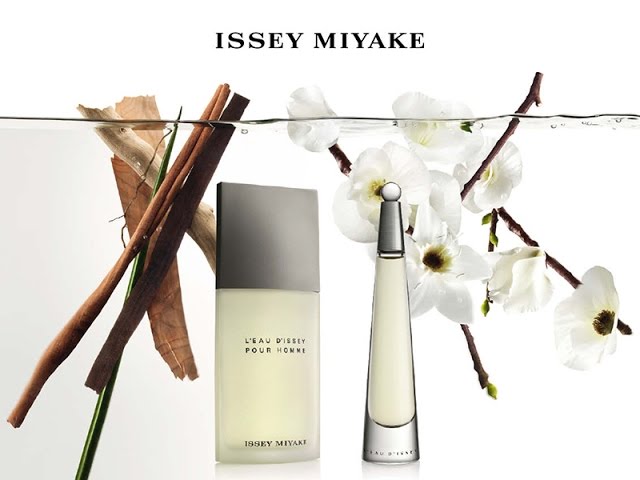
Issey Miyake’s vision was to create a fragrance that smelled quite simply like “water on a woman’s skin.” The result was an avant-garde, lotus-driven floral that felt like a transmission from the year 3000. With its sleek, conical bottle and ozonic trail, it brought a Japanese sense of space and precision to Western perfumery. While modern niche brands try to emulate this “clean” aesthetic with varying degrees of success, the original L’Eau d’Issey remains the gold standard. It is a reminder that the 90s weren’t just about grunge; they were about a fearless, minimalist future that still feels contemporary thirty years later.
Eau d’Eden by Cacharel: A Forgotten Paradise
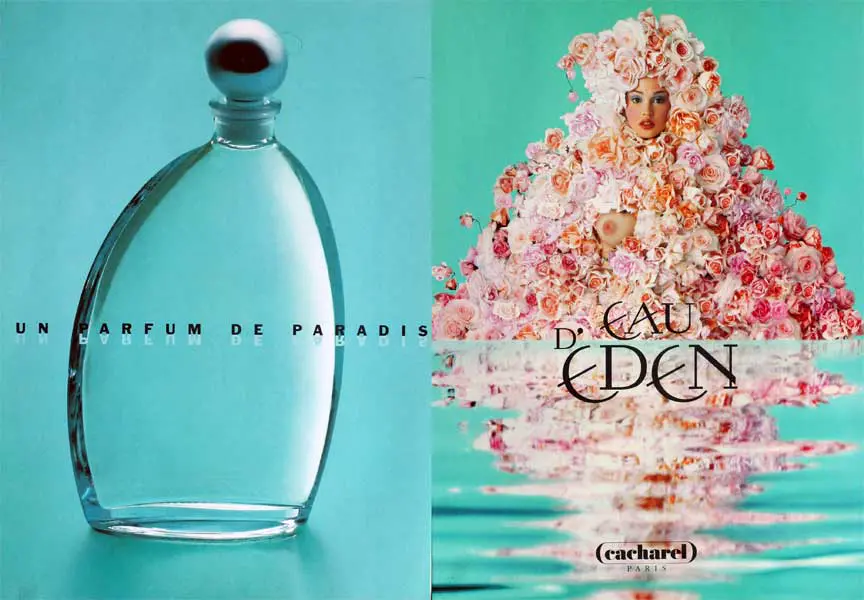
The younger, more ethereal sister to the heavy-hitting perfumes of the decade, Eau d’Eden was a watery garden of Eden captured in a translucent, pebble-like bottle. It was the scent of youthful innocence, semi-aquatic, semi-floral, and entirely dreamy. Because it was eventually discontinued and overshadowed by its bolder siblings, wearing it now (if you can find a vintage bottle) is the ultimate “insider” move. It’s a way to signal that you value the poetry of the past and the sheer joy of a fragrance that doesn’t take itself too seriously, standing in quiet defiance of the over-marketed “luxury” hype of the present.