The Paris I Never Knew: A Late-Life Love Affair with the 20th
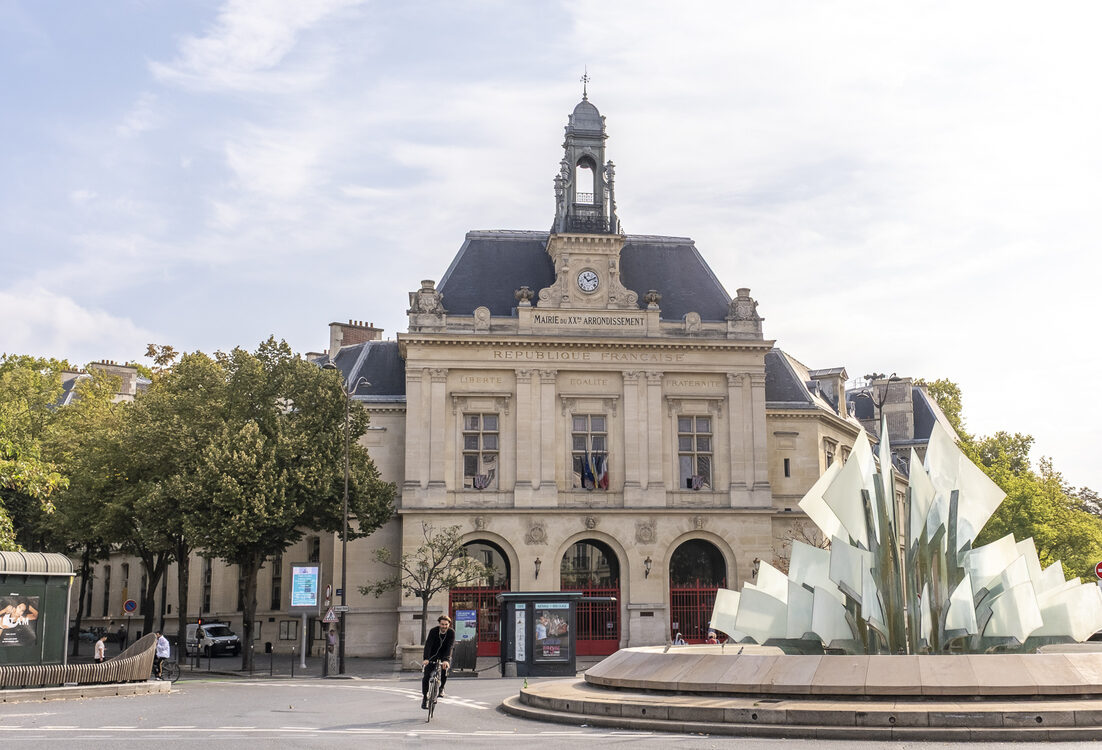
They say it takes a lifetime to truly know Paris, but I didn’t realize quite how literal that was. At forty-six, I thought I had decoded every cobblestone and mapped every shortcut from the Marais to Montparnasse. Yet, a recent stay at Kate’s, nestled in the high ground of the 20th arrondissement, proved that I had been walking with my eyes half-closed. Between the hilltop quiet of La Campagne à Paris and the cinematic pulse of Gambetta, I found a neighborhood that didn’t just welcome me, it humbled me. This is my merci to the streets that finally taught an old Parisian some new tricks.
The Pastoral Dream: La Campagne à Paris
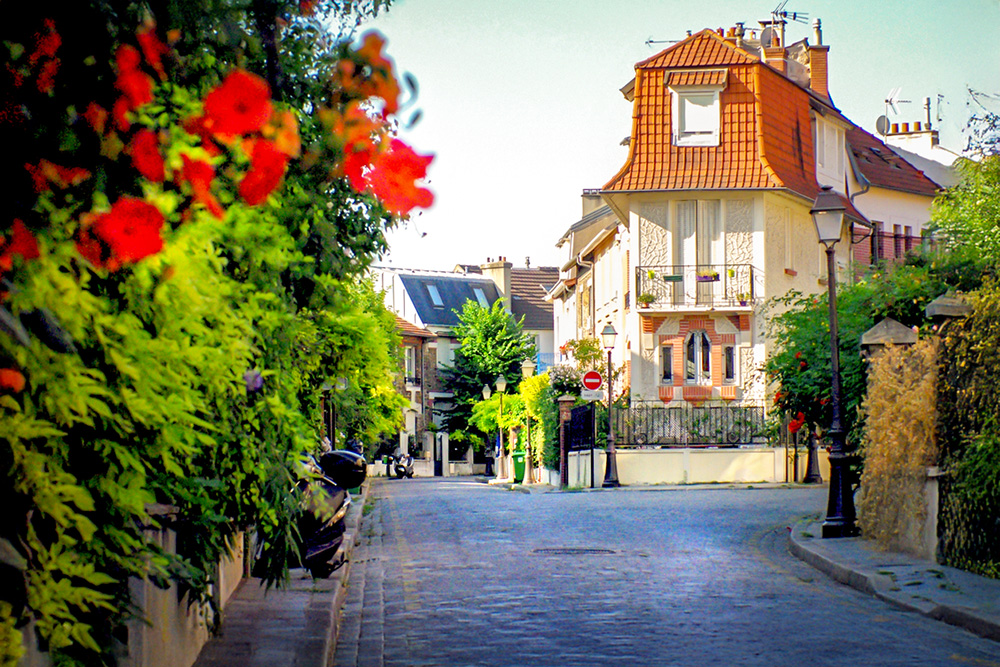
Perched on a hill that feels miles above the city’s exhaust, this micro-district is an architectural anomaly. Walking through these narrow, winding streets lined with brick houses and ivy-covered fences, the roar of the “peripherique” fades into a whisper. Built in the early 1900s for working-class families, it was the perfect introduction to the area’s unique topography, a reminder that even in the densest city, one can find a sanctuary of quiet greens and cobblestone peace that feels more like a village in the Drôme than the 75020.
Le Charme Discret de la Place Octave-Chanute
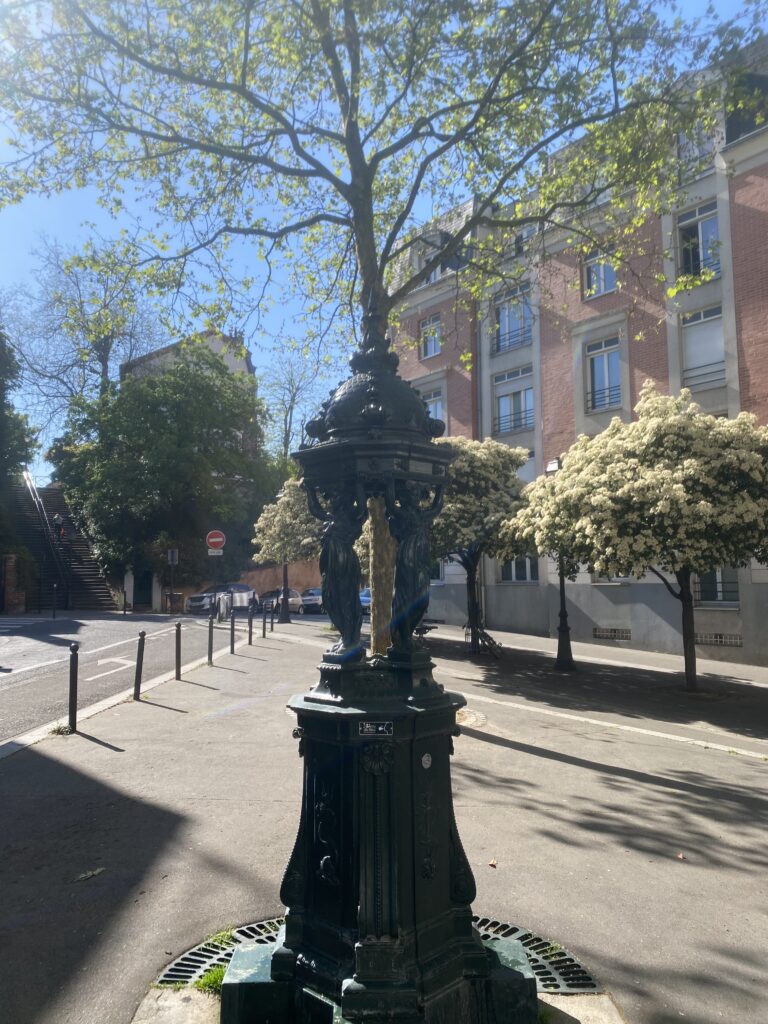
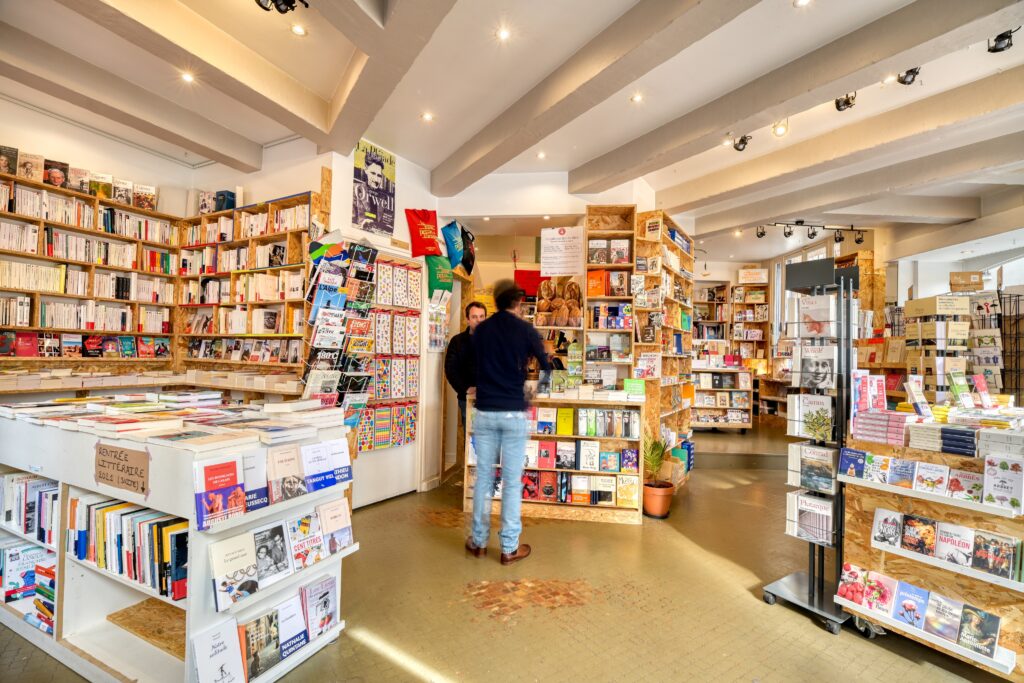
There is a specific corner at 1 Rue du Capitaine Marchal that captures the soul of the 20th. On one side, La Toute Petite Librairie offers a curated world of words; on the other, the Country Bar provides the perfect vantage point to watch the world go by. They face the Place Octave-Chanute, named after the Parisian-born aviation pioneer, a quintessential square where a magnificent tree blooms in brilliant white. Sitting on a green bench by the Wallace fountain, watching the light filter through the leaves, I realized that this is the real Parisian luxury.
Gastronomy and Street Art on Rue du Surmelin
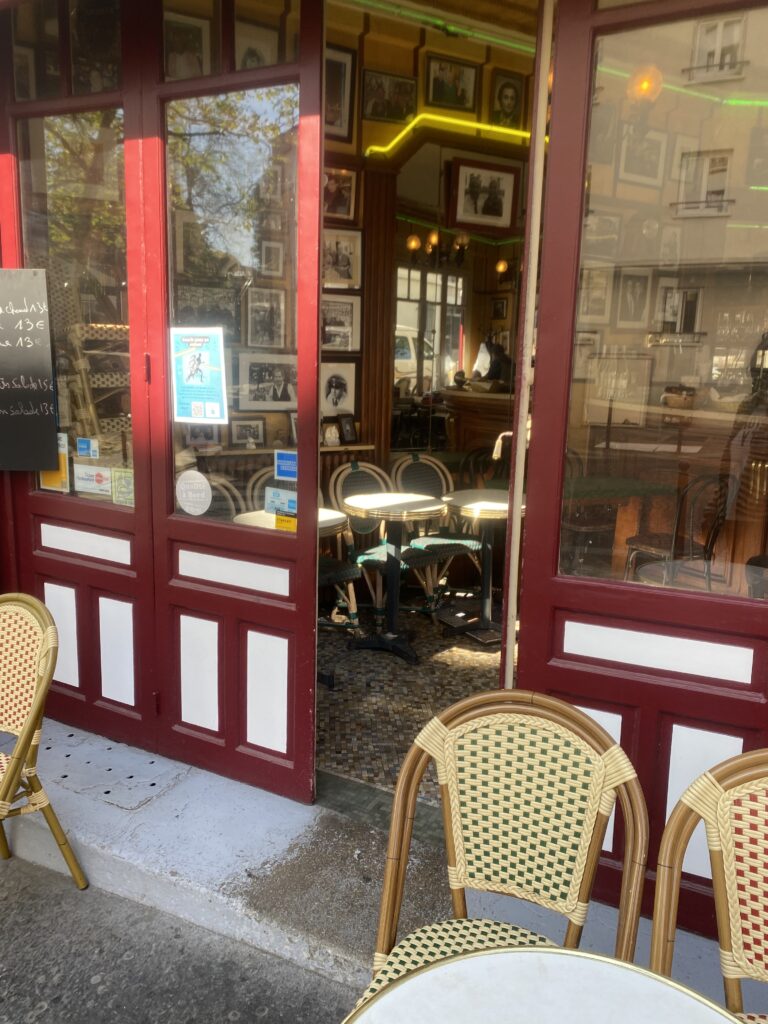
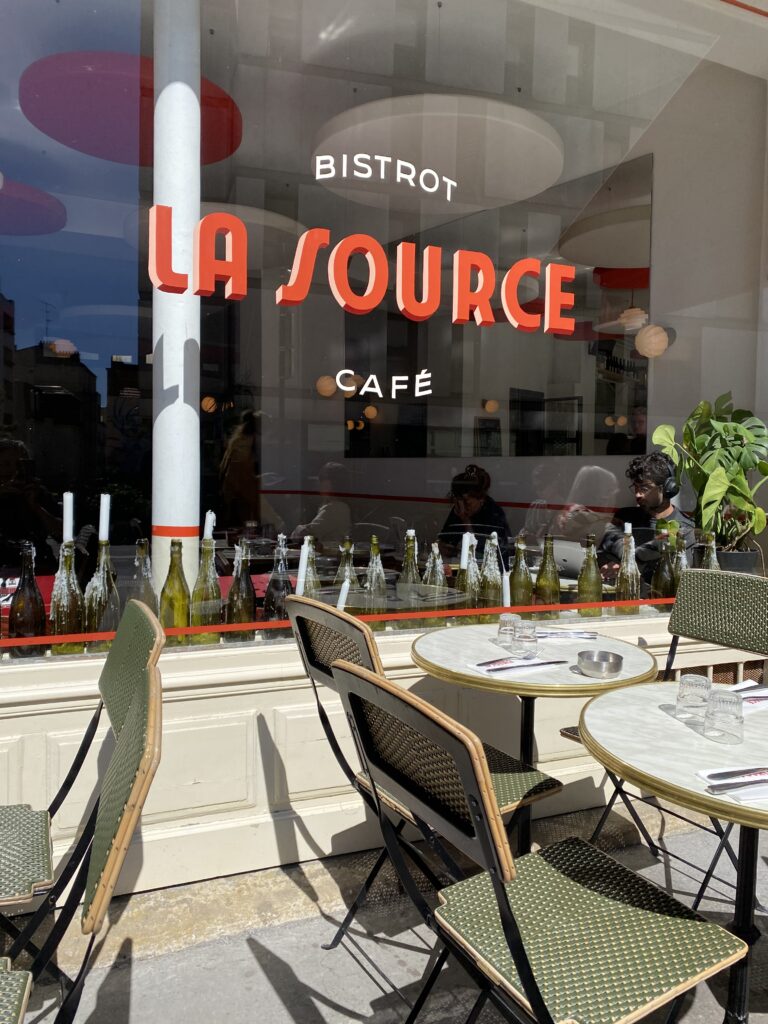
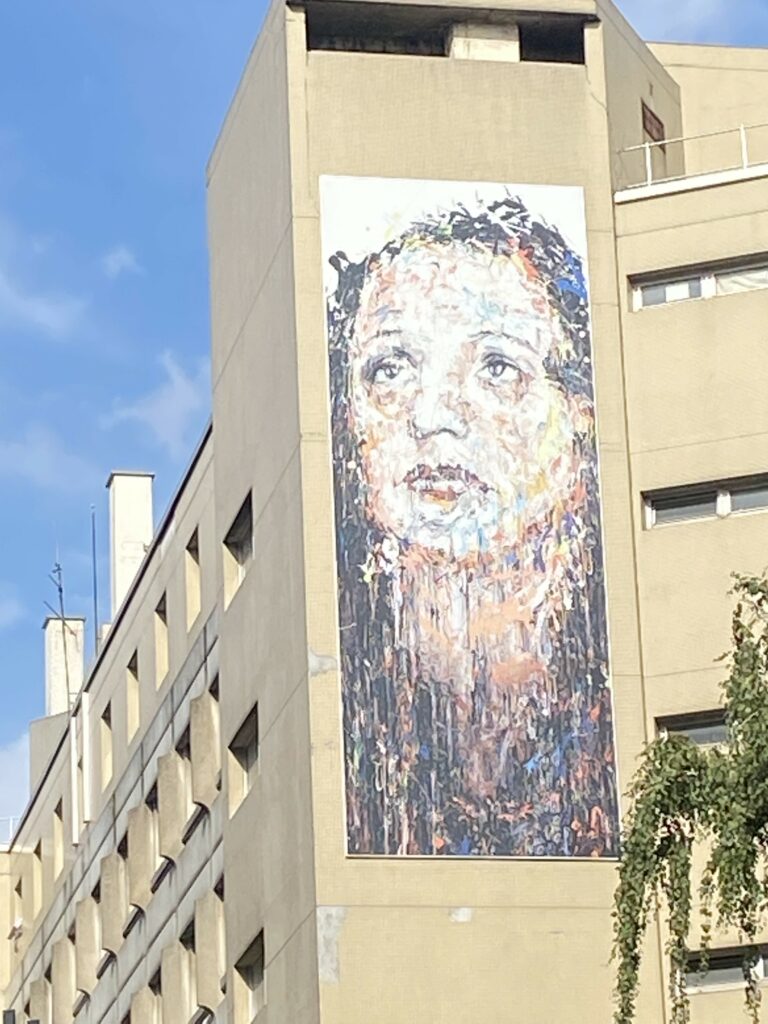
On the Rue du Surmelin, I found La Source, a bistro that perfectly encapsulates the neighborhood’s ambitious new energy. It is a testament to the local revival: warm, unpretentious, yet serving plates that are sophisticated and soulful. Just a few doors down, the district’s history of resistance and art meets you at the Missak Manouchian fresco. Painted by the artist Popof, it’s a vibrant reminder that this neighborhood has always been a bastion of poetic rebellion and immigrant heritage.
Stay tuned to their socials for regular events like “Les Dimanches à La Con” (The Silly Sundays), with disguised karaoke etc…
A Toast to the Sparrow: Café Édith Piaf
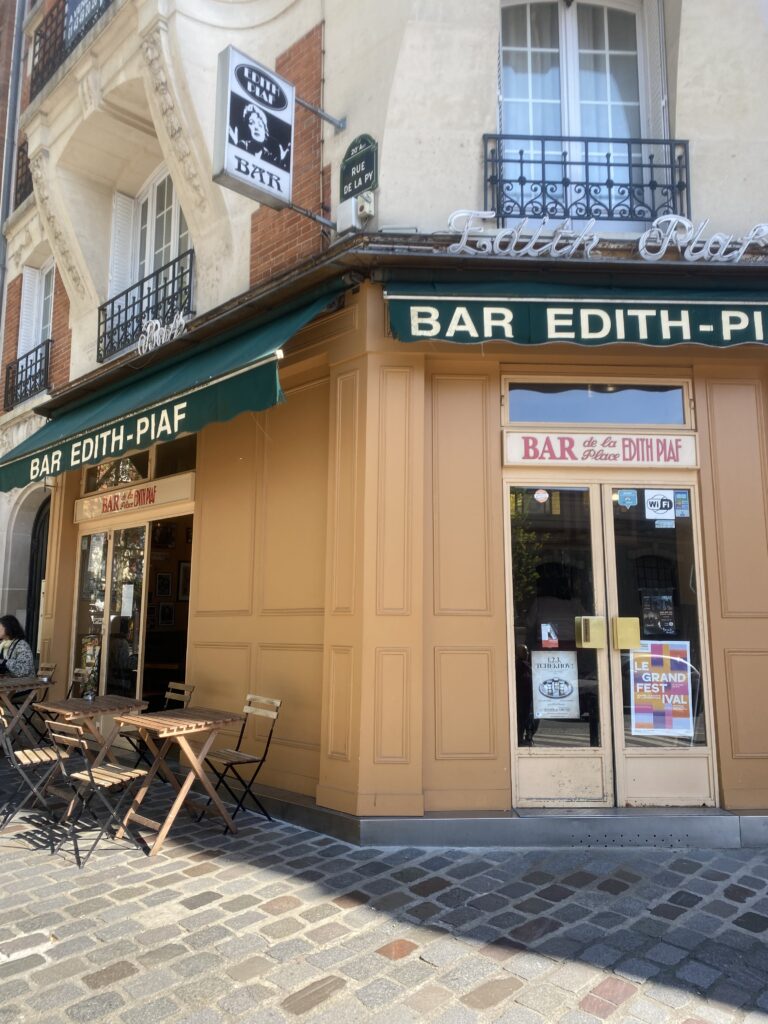
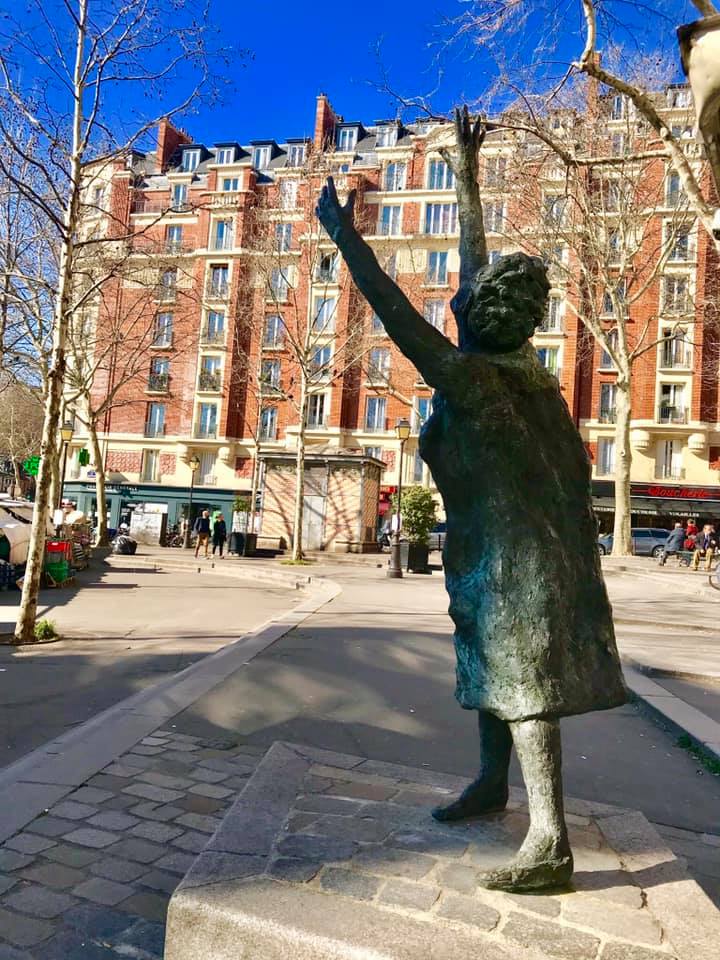
The journey ends at the Place Édith Piaf, a square dedicated to the local legend who was born just a few streets away. At its center stands a raw, expressive bronze statue, showing Piaf with her arms raised to the sky. Right across from it, the Café Édith Piaf serves as the neighborhood’s emotional anchor. Sipping a coffee in the shadow of “La Môme,” you feel the grit and the glamour that defined her life and this district.
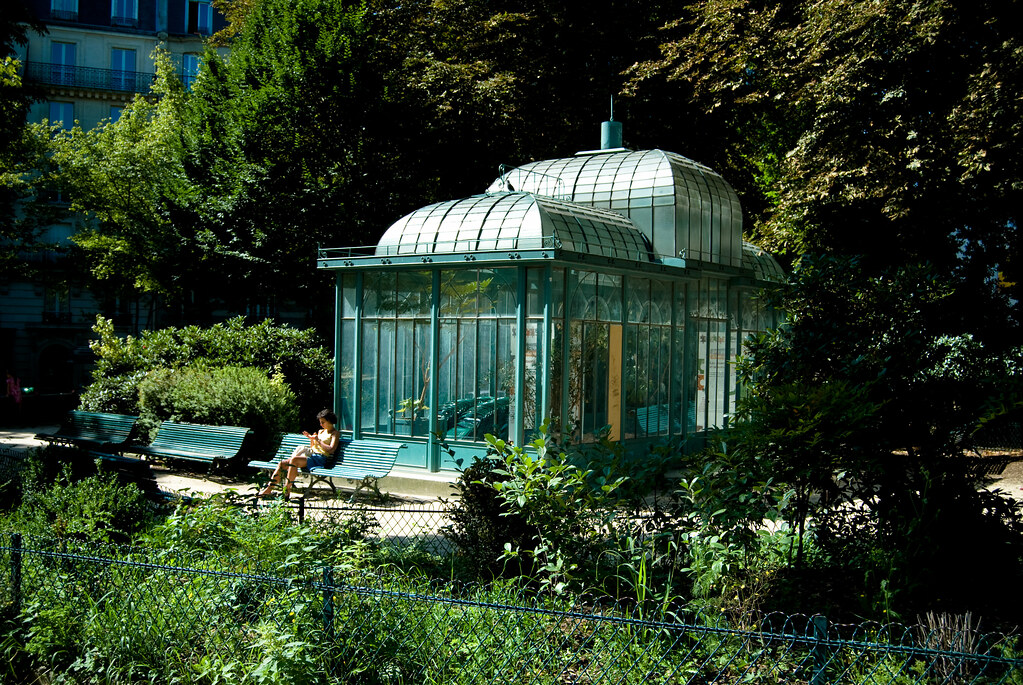
The Belle Époque Glass of Square Édouard Vaillant
As you move toward the bustling center, the Square Édouard Vaillant offers a regal breathing space next to the Mairie. While the dramatic monument to Léon Gambetta—relocated here from the Louvre in 1982, draws the eye, the true treasures are the square’s historic greenhouses. These exquisite Belle Époque structures, with their delicate ironwork and glass panes, feel like miniature versions of the Grand Palais. Bathed in the soft light of the 20th, these conservatories are a beautiful, fragile time capsule of 19th-century elegance.
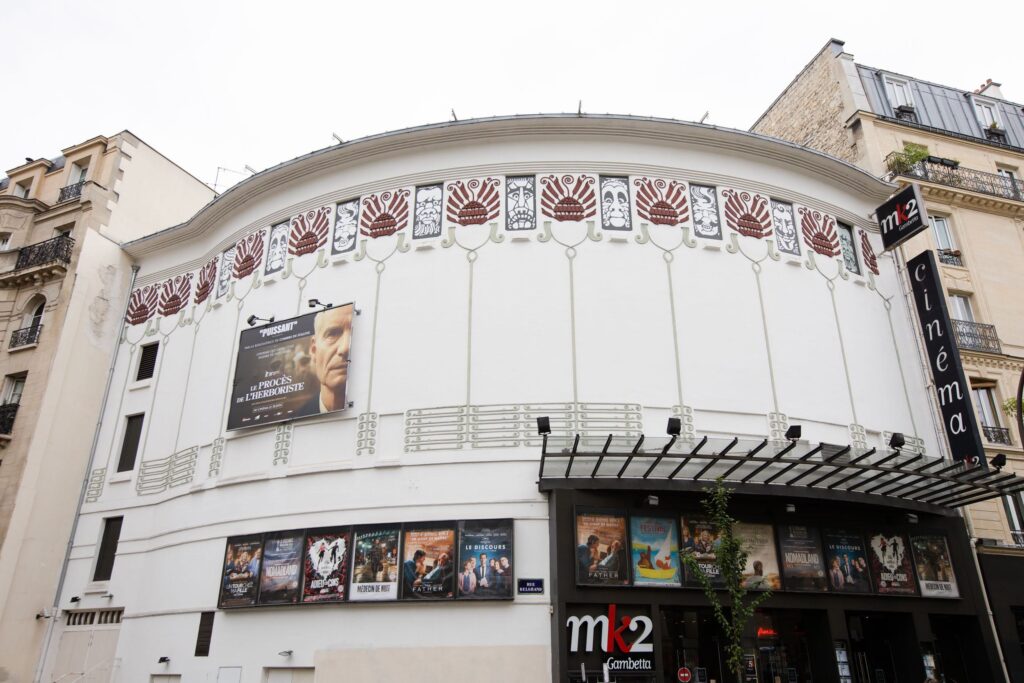
Art Deco Grandeur: MK2 Gambetta
One cannot speak of this area without mentioning the majestic MK2 Gambetta. Originally opened in 1920 as the “Gambetta Palace,” this building is an Art Deco masterpiece designed by Henri Sauvage. Its famous curved, white facade was intentionally built to resemble a giant cinema screen, adorned with gold-leaf masks. To watch a film here is to step into a century-old ritual, celebrating a time when the 20th was the booming, avant-garde heart of Parisian popular culture.
Some other bonus spots:
Passage des Soupirs: A narrow, leafy path that feels like a secret tunnel between Rue de la Chine and Rue des Pyrénées.
Pavillon de l’Ermitage: The last vestige of a grand 18th-century estate, a rare Regency-style gem tucked away from the modern world.
The Dancing Goat: For when you need a modern caffeine fix, this specialty coffee shop near Gambetta brings a contemporary edge to the village vibe.
Jardin Naturel Pierre-Emmanuel: A “wild” garden near Père Lachaise where nature is left to its own devices a perfect spot for a truly quiet escape.