Purple Reign: Why Lavender Rules the Wellness World
Lavender is much more than a picturesque backdrop for summer photographs or a nostalgic scent from a bygone era.
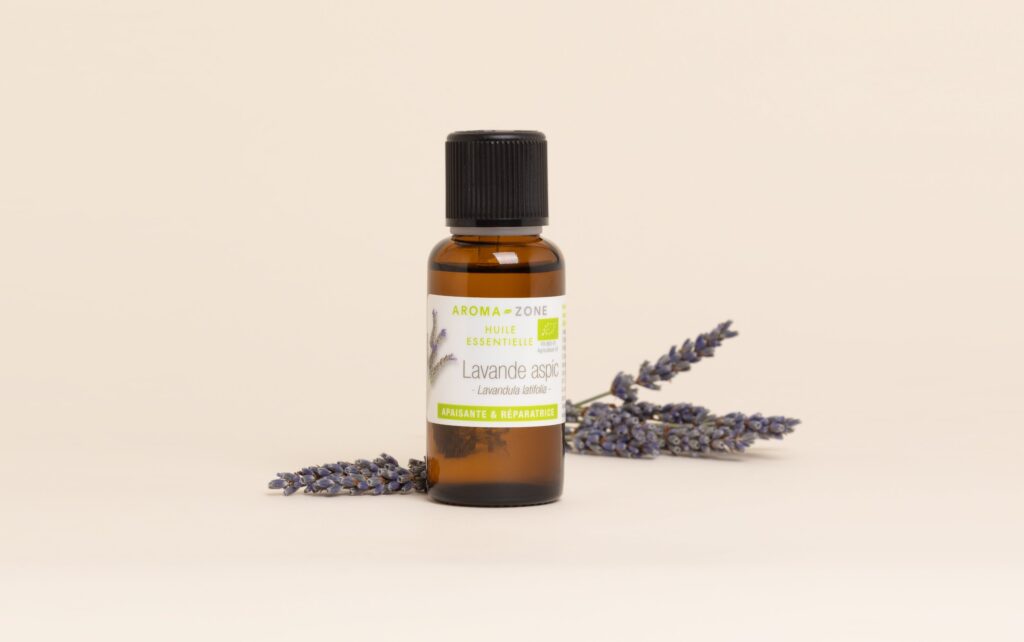
For centuries, this resilient shrub has been a cornerstone of the Mediterranean pharmacopeia, with a name derived from the Latin lavare, which literally means “to wash”. Historically, it was used to perfume clothes and bed linens during eras when regular washing and bathing were not common practices. Today, we understand that lavender’s appeal is deeply rooted in its biological chemistry. Its relaxing effects mainly come from beneficial essential oils, which contain linalool, a component that demonstrates effects upon the central nervous system and the digestive nervous system. These oils have the ability to cross the blood-brain barrier, providing a rapid effect in calming both physical and psychological tension. Embracing an “all lavender everything” lifestyle is not just a trend, it is a commitment to a holistic ritual of health and environmental harmony.
A Science-Backed Sanctuary: Sleep, Stress, and Mental Health
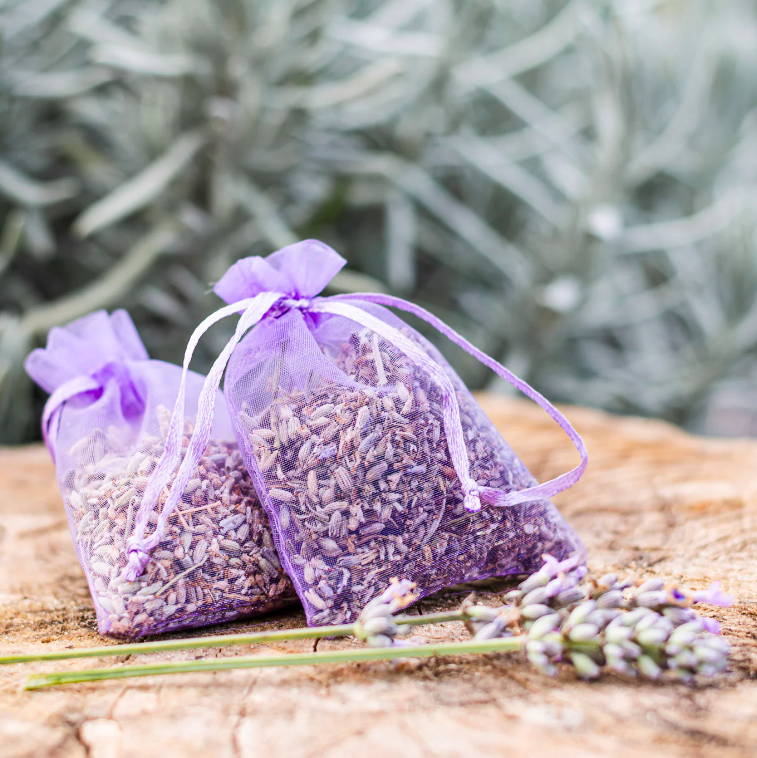
The primary allure of lavender lies in its profound impact on mental well-being and neurological health. Inhaling lavender essential oil, whether through a diffuser, a linen sachet, or a DIY dreamy pillow spray, is a proven method to reduce anxiety, stress, and insomnia. For those who struggle with a restless mind at bedtime, placing a small bag of dried flowers under the pillow or using a spray form can significantly improve sleep quality.
The plant’s therapeutic reach also extends to physical pain management and emotional support. It is frequently used to ease depression and calm the mind. Furthermore, applying diluted lavender oil directly to the temples can provide effective relief for stress-induced migraines and headaches. Because its beneficial oils act so quickly upon the nervous system, lavender serves as an immediate sensory anchor, transforming any space into a temporary sanctuary of peace.
Sensory Gastronomy: Culinary Uses and Digestive Wellness
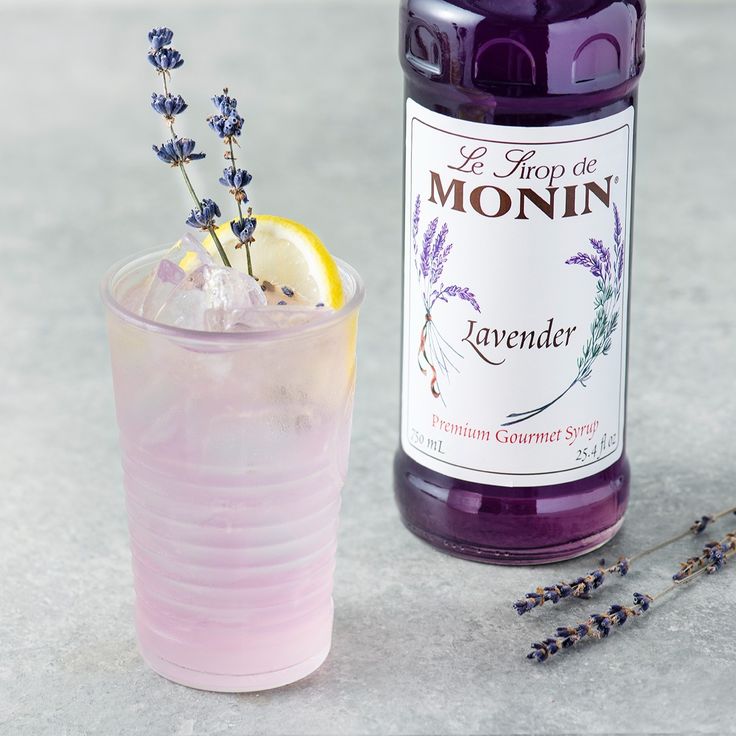
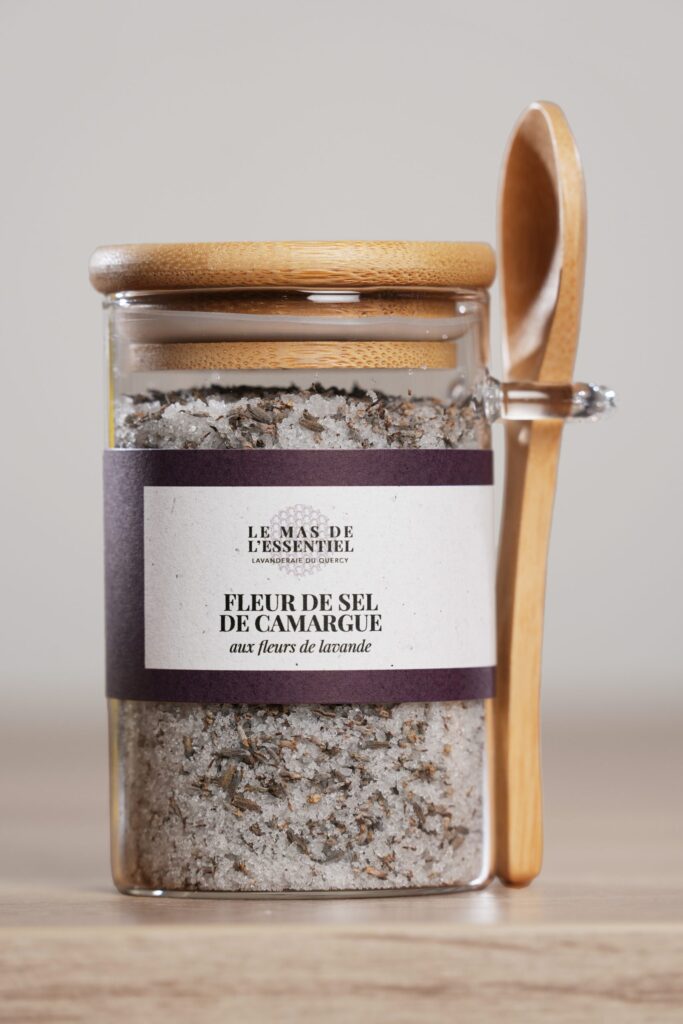
Lavender’s influence in the kitchen is both sophisticated and medicinal, offering a floral profile that is as functional as it is flavorful. Culinary-grade dried buds are used as a spice in sea salt, savory dishes, salads, and soups, or incorporated into sweets like shortbread cookies and ice cream. For a refreshing summer ritual, lavender syrup is an excellent addition to lemonade or iced tea.
Beyond its taste, lavender is a potent digestive aid. When consumed as a tea, it helps with digestion and reduces bloating. The pungent essential oils present in lavender help to shift “stuck” congestion by stimulating the digestive system while simultaneously calming the nervous system, making it an ideal remedy for stress-related digestive complaints. To complement these culinary endeavors, one should look for authentic lavender honey. It is recognizable by its very pale, extra-white to light-amber color and a delicate floral aroma. Authentic lavender honey often features a very fine, smooth crystallization and a persistent, slightly acidic finish.
The Apothecary: Beauty, Hygiene, and First Aid
In the realm of skincare and beauty, lavender is a “clean beauty” powerhouse due to its antiseptic and anti-inflammatory properties. It is commonly used to treat acne, eczema, and skin inflammation, and its calming properties make it effective for soothing minor infections, burns, and bug bites. Its benefits extend to hair health as well, where it is used to promote growth, add shine, and combat dandruff.
For a natural daily hygiene routine, artisanal products provide an effective, chemical-free alternative:
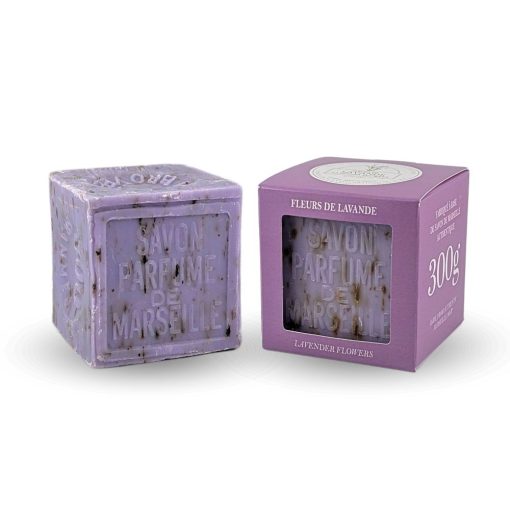
Natural Soaps and Scrubs: Lavender is a staple ingredient in natural soaps, lotions, and body scrubs, cleansing the skin while respecting its natural balance.
Bath and Body Rituals: Adding lavender flowers and essential oil to bath salts or massage oils allows the linalool to soothe muscle spasms and physical tension.
Essential Oil Hand Wash: Utilizing hand washes based on pure essential oils provides a natural antiseptic effect while leaving a calming scent that lingers.
Beyond the Home: Garden, Pest Control, and the Environment
Lavender’s utility extends far beyond personal use and into the health of our local ecosystems. In the garden, it is cultivated as a pollinator-friendly plant that attracts essential bees and butterflies. Within the home, it serves as a natural form of pest control, effectively deterring insects like moths and mosquitoes.
Perhaps most impressively, lavender plays a vital role in environmental restoration. The plant’s roots are capable of soil cleanup through a process of absorbing heavy metals like lead and zinc, helping to restore contaminated soil to a healthier state. Whether it is protecting your wardrobe, healing your skin, or cleaning the earth, lavender proves that the most beautiful things in nature are often the most powerful.
The Urban Bloom: Growing Lavender on Balconies and Windows
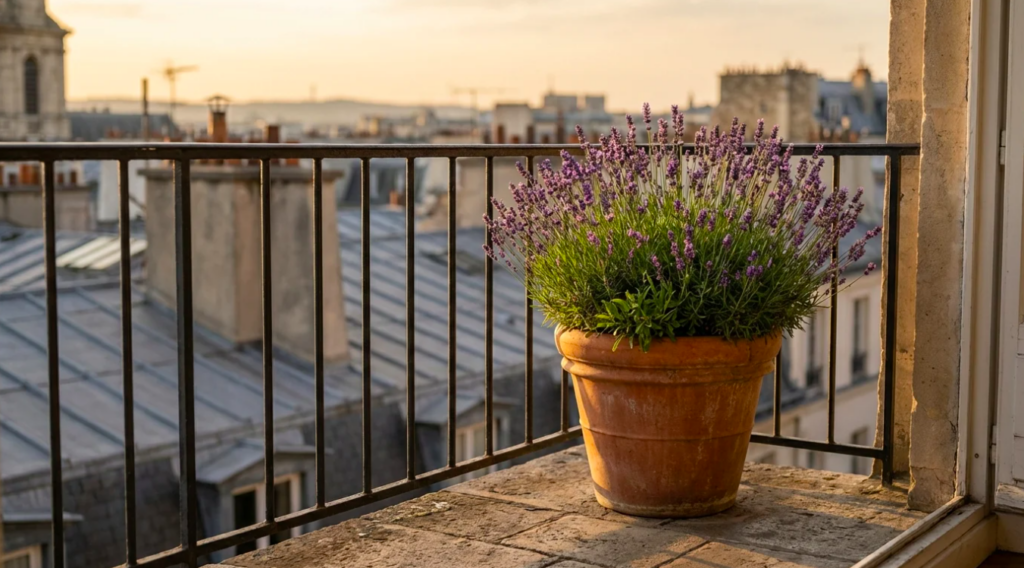
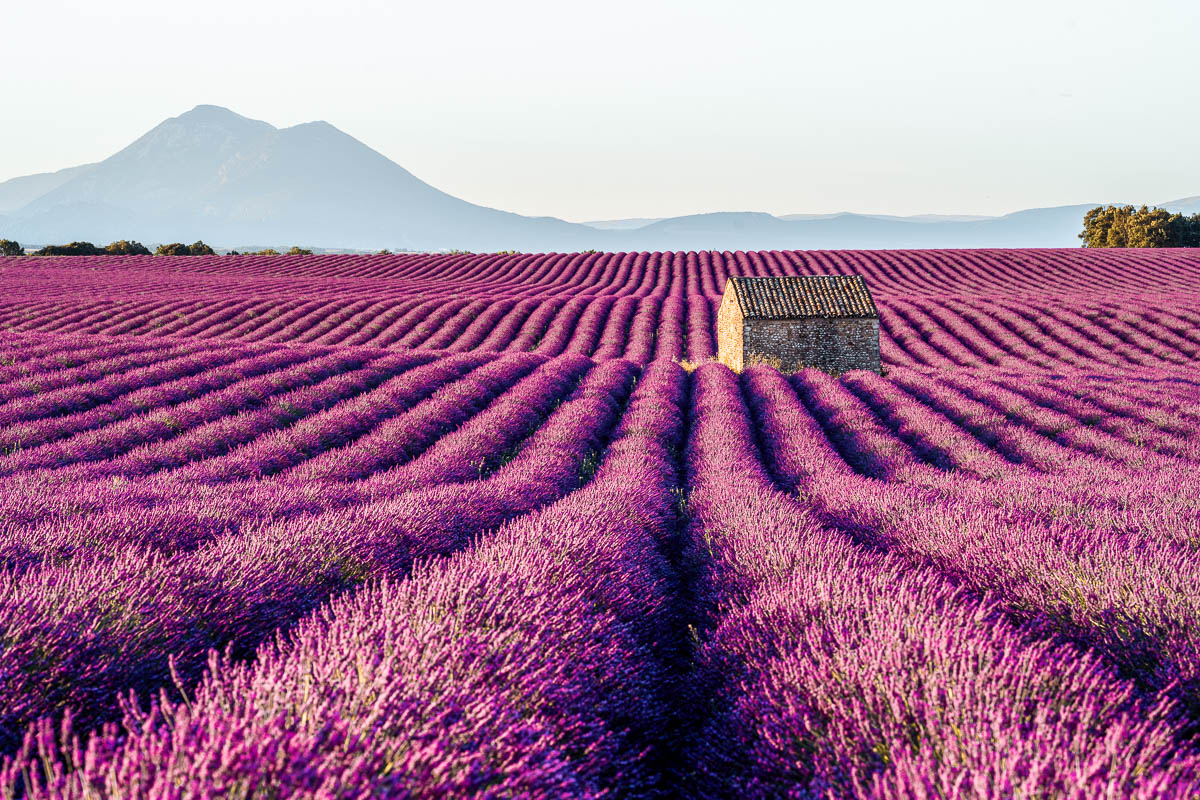
You do not need a vast Provencal field to cultivate your own supply of this “blue gold.” Lavender is remarkably well-suited for container gardening, making it an ideal companion for small balconies or sunny windowsills. To succeed in tight urban spaces, choose a pot with excellent drainage, lavender dislikes “wet feet”, and use a gritty, alkaline soil mix. Since it is a Mediterranean native, it craves at least six to eight hours of direct sunlight daily and prefers a breezy spot to prevent humidity-related issues. For small containers, compact varieties like Lavandula angustifolia ‘Munstead’ or ‘Hidcote’ are perfect choices, as they remain tidy while producing a high concentration of fragrant essential oils. With just a little pruning after the first bloom, your window box can become a sustainable source for your own sachets and culinary experiments.