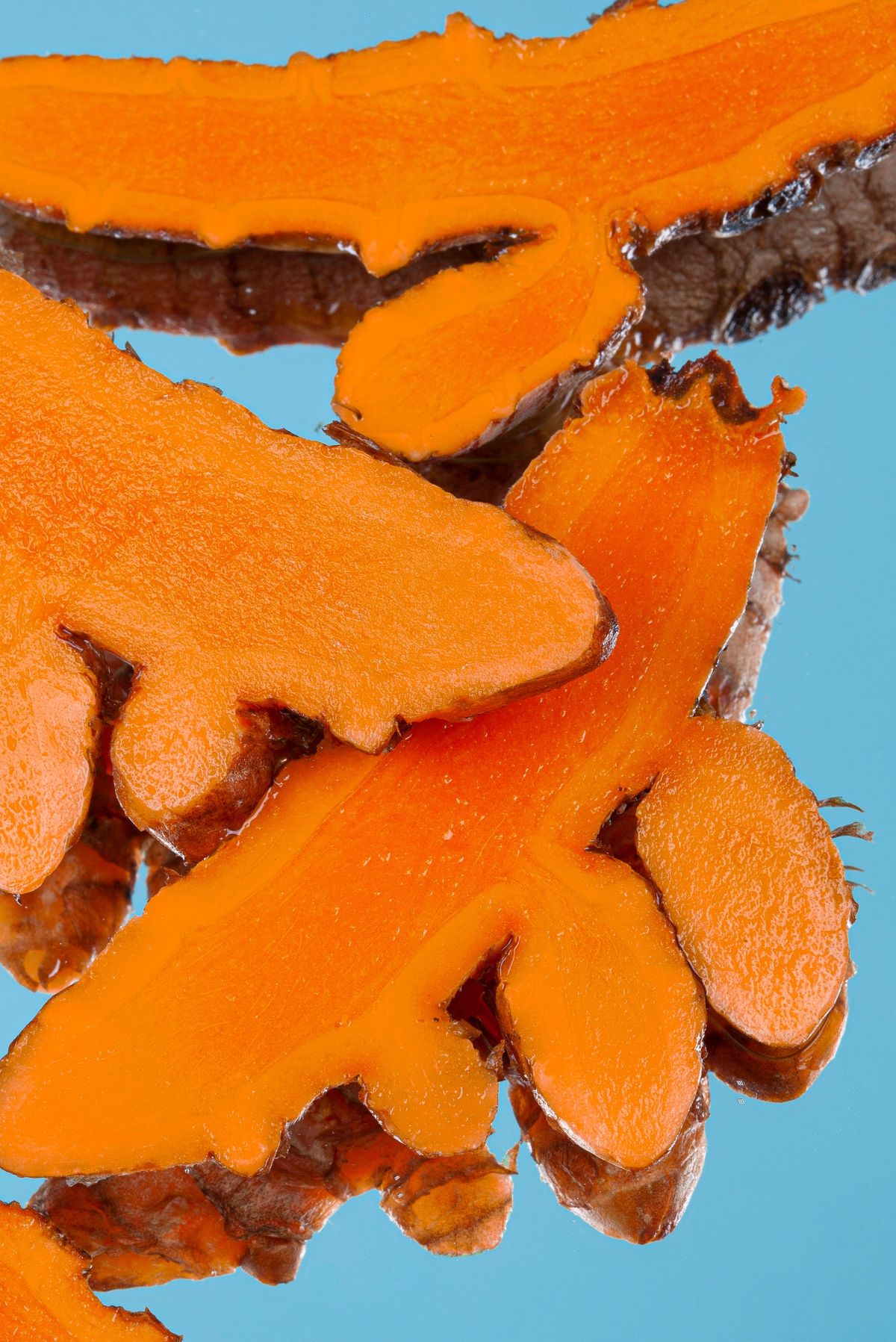
Golden Ground: The Undying Legacy of Turmeric
From hammam rituals to designer lattes, curcuma is having a renaissance moment. But unlike many wellness darlings before it, this one actually has centuries of ritual, science, beauty, and culinary culture behind it.
There are ingredients that trend, and then there are ingredients that survive civilizations. Turmeric belongs to the second category. Long before wellness cafés, coffee shops turned it into golden lattes, this intensely yellow rhizome was already embedded in Ayurvedic medicine, textile dyeing traditions, wedding ceremonies, and ancestral beauty rituals stretching from India to North Africa.
Today, its comeback feels less like a passing obsession and more like a cultural correction. In a wellness landscape exhausted by synthetic powders and overdesigned supplements, curcuma offers something rare: credibility. It is earthy, ancient, medicinal, culinary, cosmetic, and strangely glamorous all at once.
The Anti-Inflammatory Era
If wellness in the 2010s was obsessed with detox, wellness in the 2020s is obsessed with inflammation.
Fatigue, stress, poor sleep, burnout, anxiety, skin flare-ups, digestive discomfort: many contemporary health conversations now circle back to chronic low-grade inflammation. Curcuma entered the modern wellness canon largely because of curcumin, the active compound responsible for both its saturated golden color and many of its anti-inflammatory properties.
But what makes turmeric fascinating is that its appeal extends beyond scientific vocabulary. It feels ceremonial. There is something psychologically comforting about foods that look medicinal without becoming clinical.
Golden broth. Golden milk. Golden honey. Even the language around curcuma sounds restorative.
Research increasingly suggests that curcumin may help support joint recovery, digestion, immune response, and even cognitive function. Some studies also explore its connection to mood regulation through the brain-gut axis, a phrase that would have sounded obscure ten years ago and now appears everywhere from neuroscience podcasts to luxury wellness retreats.
There is, however, one important detail wellness enthusiasts love repeating: turmeric alone is not enough. Curcumin is notoriously difficult for the body to absorb unless paired with piperine, the active compound found in black pepper. Together, they become exponentially more effective, a reminder that traditional cooking methods often understood chemistry long before laboratories did.
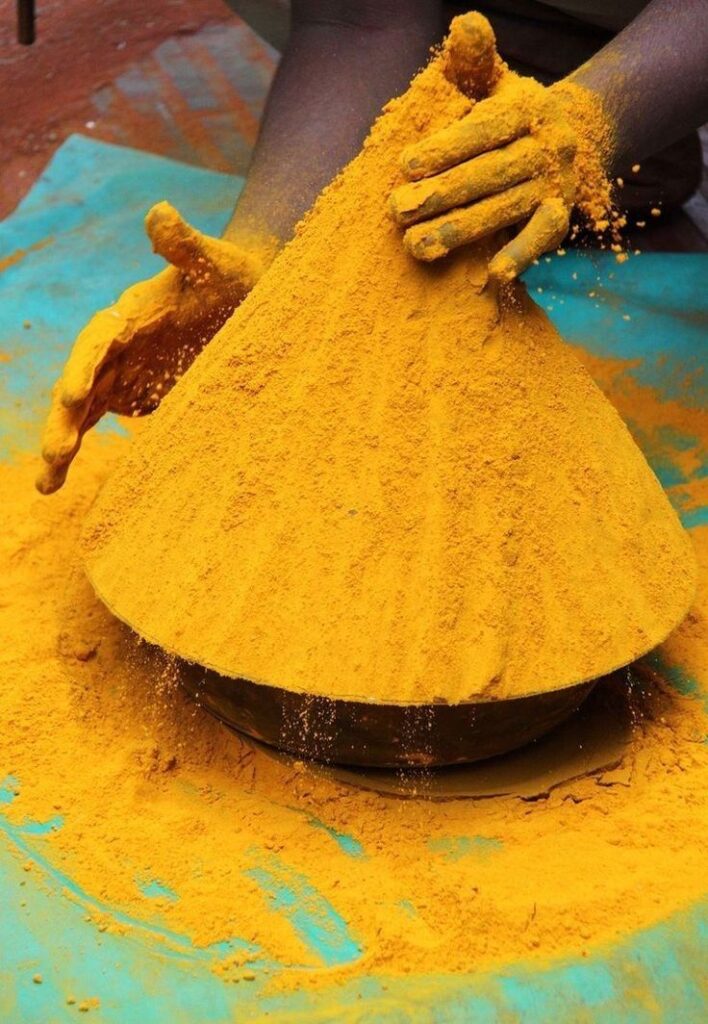
The Return of Ritual Drinks
The rise of curcuma also says something about what people now want from food.
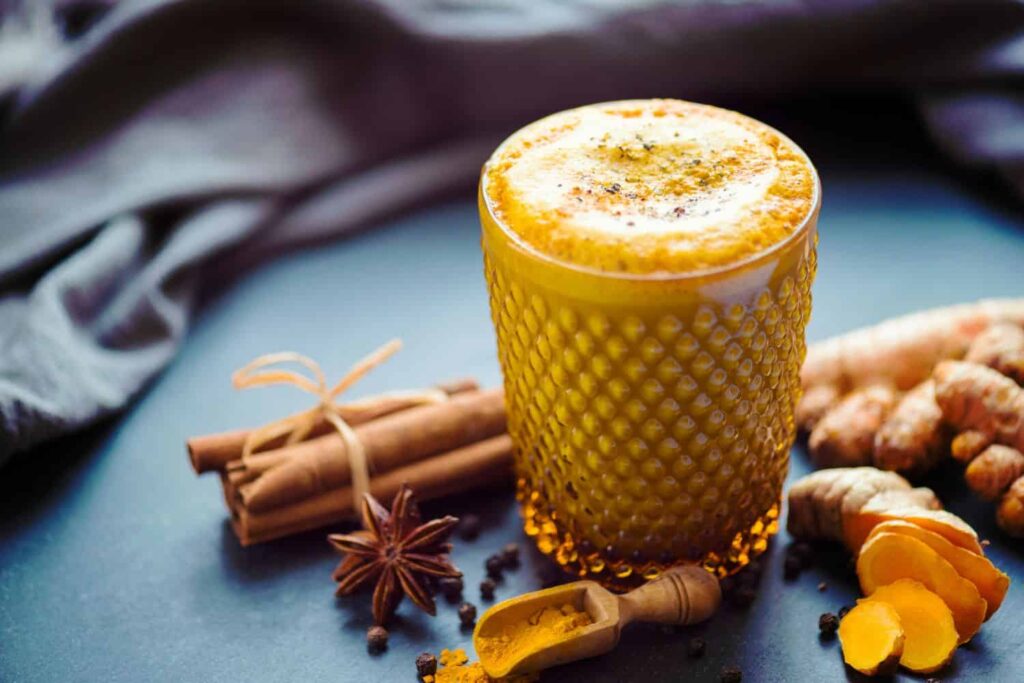
Coffee culture is increasingly being challenged by softer alternatives promising calm focus rather than nervous energy. Enter golden milk: the turmeric-based drink that quietly migrated from Ayurvedic tradition into luxury hospitality, boutique cafés, and minimalist kitchens around the world.
Made with warm milk (usually oat, almond, or coconut) plus turmeric, ginger, cinnamon, honey, and black pepper, it has become the anti-energy drink. Less performance. More restoration.
In Morocco for instance, the appeal feels particularly natural. Curcuma already exists within local culinary memory: in spice blends, slow-cooked tagines, healing soups, and traditional remedies passed between generations without branding or marketing language attached to them.
What changes today is the framing. The same ingredient once associated with grandmothers’ kitchens now appears inside matte ceramic cups in carefully designed cafés. Another proof – if need- that wellness often reinvents tradition by aestheticizing it.
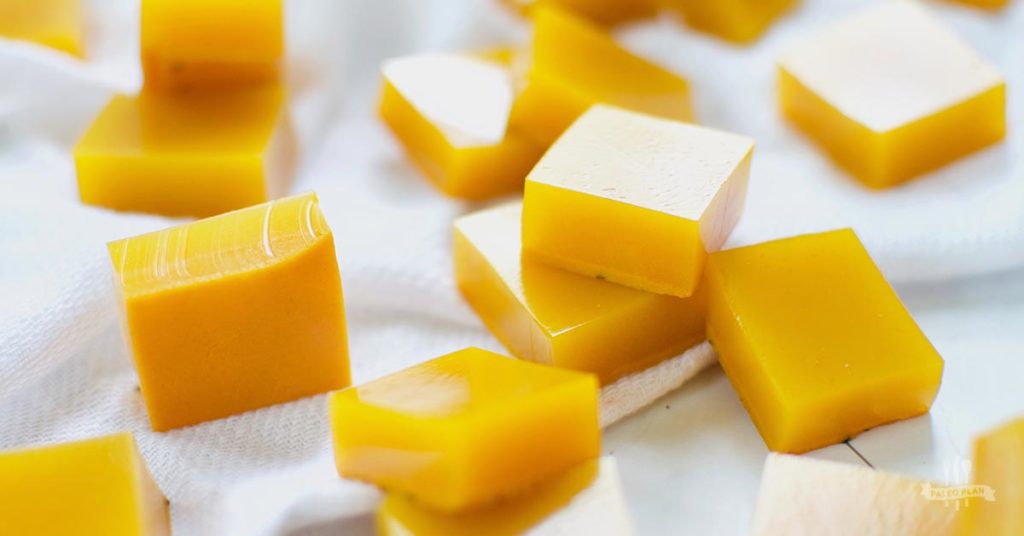
Turmeric has also found its way into the homemade wellness economy through DIY gummies, small gelatin or agar-based cubes infused with curcuma, ginger, citrus, and black pepper, now circulating across wellness TikTok and slow-living kitchens as the anti-supplement supplement.
Beauty’s Golden Ingredient
Skincare’s obsession with turmeric may actually make more sense than its culinary fame.
Curcuma has long been used in traditional beauty rituals for brightening the complexion, calming inflammation, and helping rebalance acne-prone skin. In South Asia, turmeric masks remain deeply associated with bridal preparation rituals. Across Morocco, it quietly exists inside hammam culture, mixed into rhassoul, black soap, or homemade masks designed to soften and illuminate the skin.
What modern beauty brands have done is transform these rituals into luxury products with elevated packaging and scientific language.
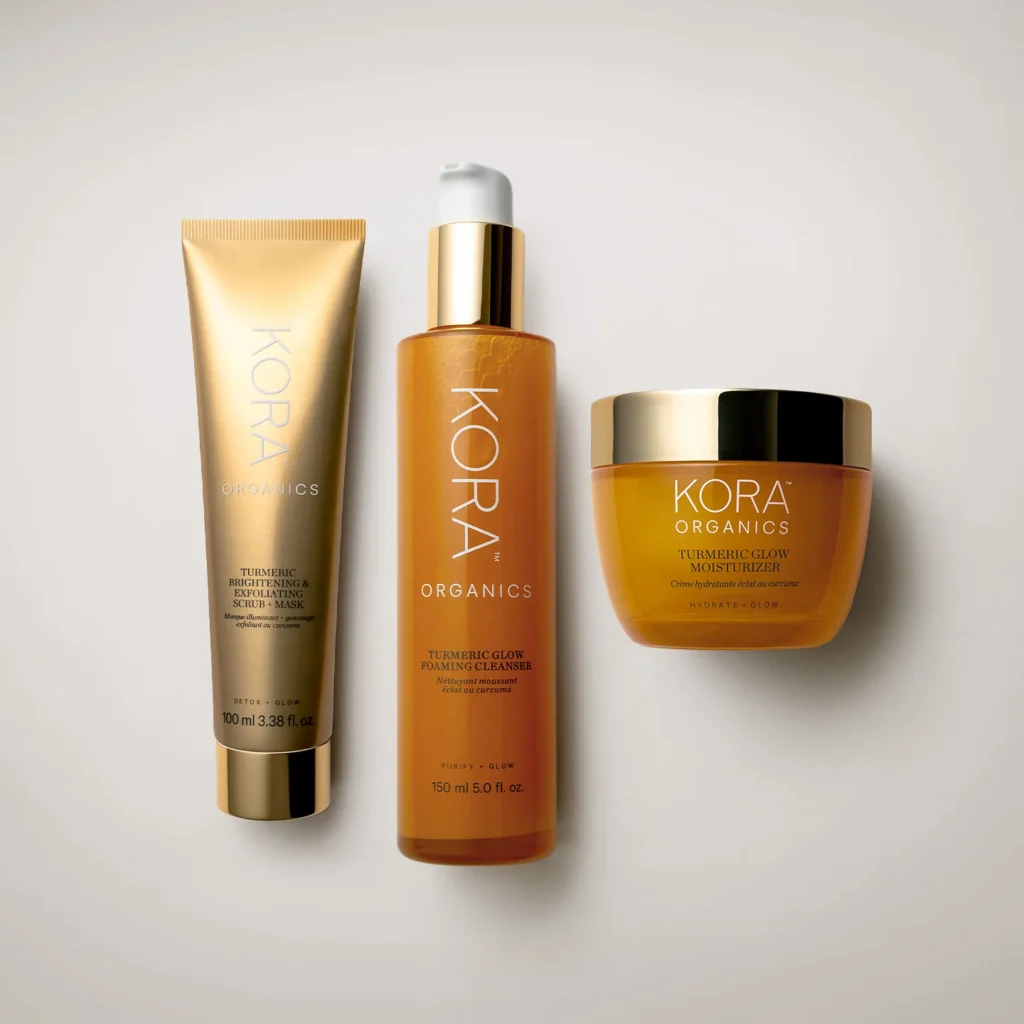
Internationally, brands like Kora Organics built entire glow-focused skincare lines around turmeric’s antioxidant profile, while Ayurvedic luxury labels such as Tumeri turned traditional botanical treatments into highly designed beauty objects.
In Morocco, the ingredient feels even more interesting when approached through local terroir rather than imported wellness aesthetics. Independent herbalists, hammam rituals, and botanical skincare brands continue to use curcuma in ways that feel less performative and far more tactile.
Growing Your Own Gold
Perhaps the most appealing thing about curcuma is how unpretentious it remains despite its luxury wellness status.
It is still, fundamentally, a root. And surprisingly, one that grows beautifully at home.
Much like ginger, turmeric thrives in deep pots with warmth, humidity, and indirect sunlight. A single rhizome with visible buds can eventually produce lush tropical leaves and fresh turmeric roots hidden beneath the soil. On a balcony or a sunlit kitchen corner, it becomes less of a plant and more of a slow ritual, something between gardening, cooking, and herbalism.
There is also something symbolic about growing turmeric yourself in an era obsessed with hyper-processed wellness products.
The ultimate luxury increasingly seems to be proximity to raw ingredients. Knowing where things come from. Touching them before consuming them. Returning wellness to something physical instead of algorithmic.
Which may explain why curcuma resonates so deeply right now.