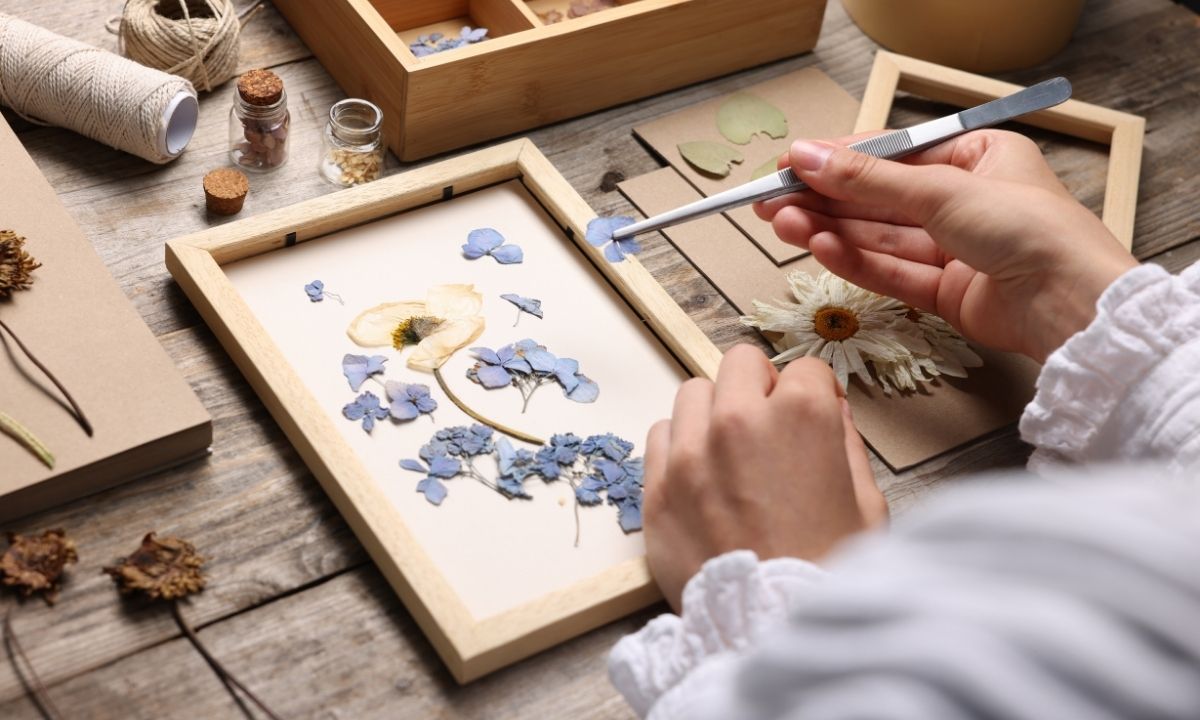
Grandma Hobbies: Knitting, Painting & More Are Due for a Comeback
Long before spending our days and nights brain rotting on the sofa to forget the stressors of our day, our grandmothers were knitting quietly in the living room. A blanket for a new baby, a scarf for a friend, a sweater for the neighbor’s boy, all part of the daily wind down ritual. No screens as distractions, no need to beat a level in the latest game release, just the simple rhythm of knit one, pearl two or counting x’s until a pattern unfolds itself.
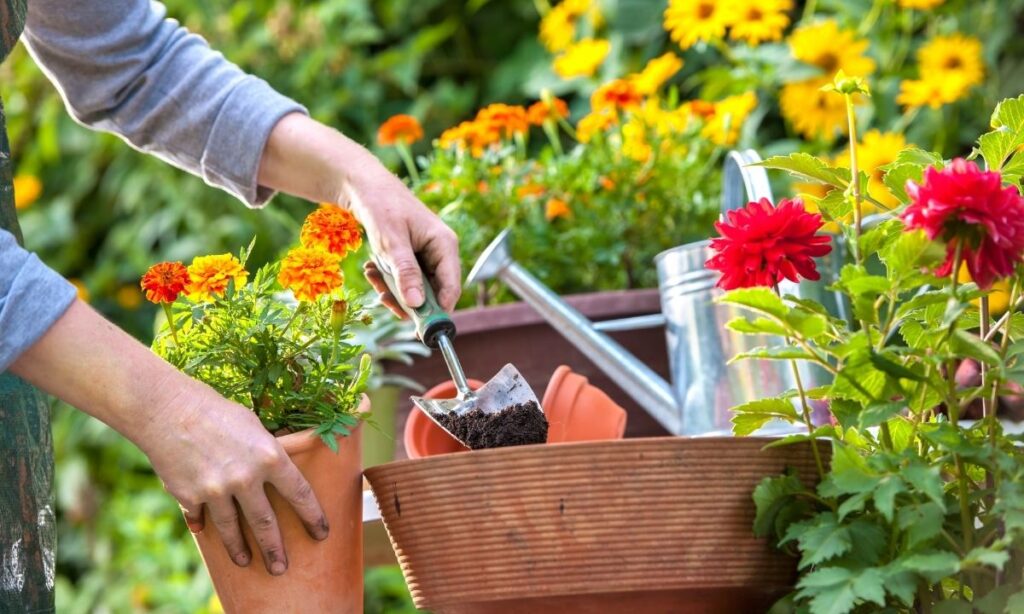
With our increasingly technologically dependent society people are turning to their grandmother’s old hobbies to help the disconnect. “Old lady” hobbies like knitting, crocheting, puzzling and gardening, offer one the opportunity to slow down, become more hands on and produce a tangible product. Beyond the obvious benefits of stopping the scroll, these hobbies have serious health benefits that will remain with one until it’s their turn to be the “grandmother”.
Crafty Meditation: Embracing the Silence
According to UCLA psychologist Tiffany Ho, the hands-on, repetitiveness of these types of hobbies is akin to that of mindfulness meditation. Similar to the health benefits of meditation, reduction in the stress hormone, cortisol, anxiety and in some cases even an increase in serotonin levels with the added bonus of a tangible product at the end thus also offering a boost in self esteem.
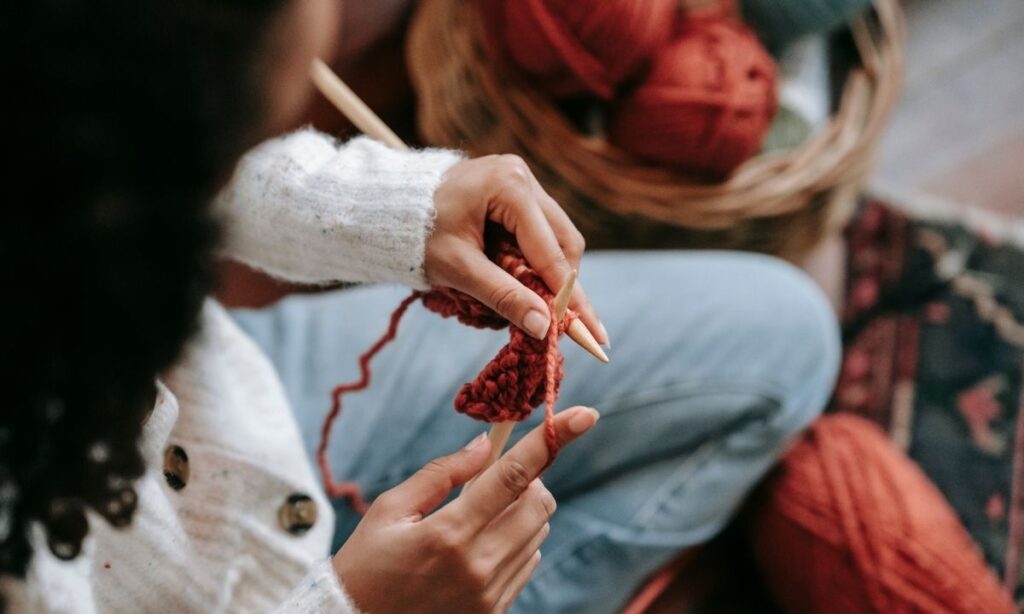
Hobbies like knitting, crocheting, needlepoint and gardening are repetitive, soothing and cozy, offering an escape from the digital world and an opportunity to learn something new. Considered some of the dying arts, knitting, crocheting, tatting and the like are more than hobbies they are tangible skills that will begin to disappear without people to pass along the savoir faire.
Help Hobbies: Creative Brain Boost
Learning a new skill generally gives you a momentary brain boost. Lots of online games claim that they are helpful for memory and cognition but nothing beats a homegrown hobby like gardening, puzzling or birdwatching. Unlike a typical video or computer game, these cozy hobbies offer repeated boosts to your brain cognition and function because of their engaging and ever changing outcomes.
Taking up a cozy hobby allows for enjoyment and research shows it has been helpful in improving memory and can be associated with a reduction in dementia and cognitive decline in older adults. Knitting has been shown to improve attention span and concentration as well as dexterity.
Drawing Conclusions: Designing Mental Health
According to clinical psychologist Dr. Mia Hobbs, “the bilateral movements” of knitting or crocheting or any other repetitive hobby “may be helping our brains to process difficult experiences”, thus reducing anxiety and other mental health issues that might creep in. Being able to process difficult emotions through these types of repetitive motion allows you to move through that work without really noticing it.
Along with higher processing, you also have a boost when you set a goal and accomplish it. Setting a new record when finishing a puzzle or crossing off that rare Javan Blue Banded Kingfisher off your list gives the enthusiast a sense of accomplishment which in turn boosts self esteem and can lead to productivity increases and feel good hormones.
Socializing Creatively: Group Projects are More Fun
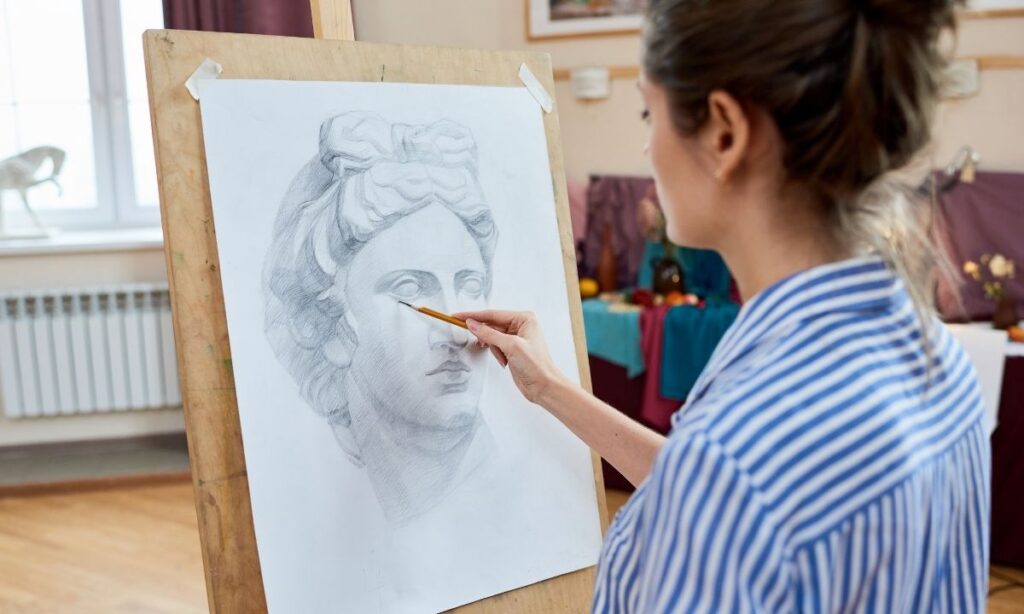
Most of the “grandma” hobbies have a low barrier to entry, baking, sewing, garden, drawing and painting can cost as little as a pencil and some paper or a couple dollars in supplies making them easily attainable solo projects and great for a duo or group activity. As most of us know the knitting clubs aren’t just for knitting. They’re for gossip, connection and conversation. Learning from your fellow “old lady” hobby enthusiast and vice versa also gives one a self esteem boost and allows for social bonding.
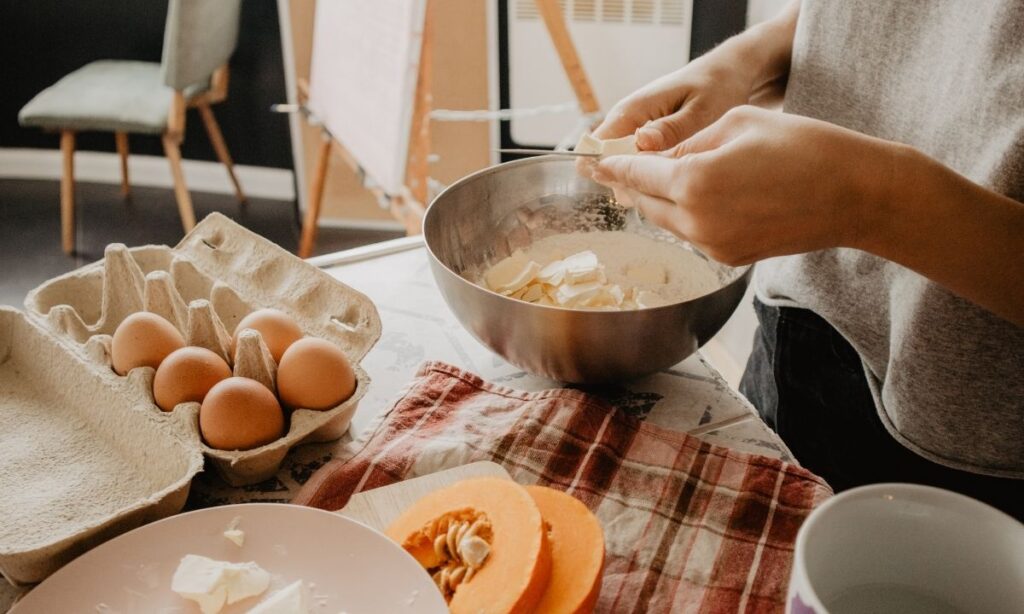
Whether it’s in a café with a singular friend or in your living room with a gaggle of gal pals the benefits of bonding over that drawing you messed up the nose on or the instrument you got that was so out of tune or that unmatched bloom on your African orchid and everyone is dying to know your secret, the expertise, cheerleading and laughter you will share will be unmatched in those rooms.
The “Grandma” Hobbies in Question:
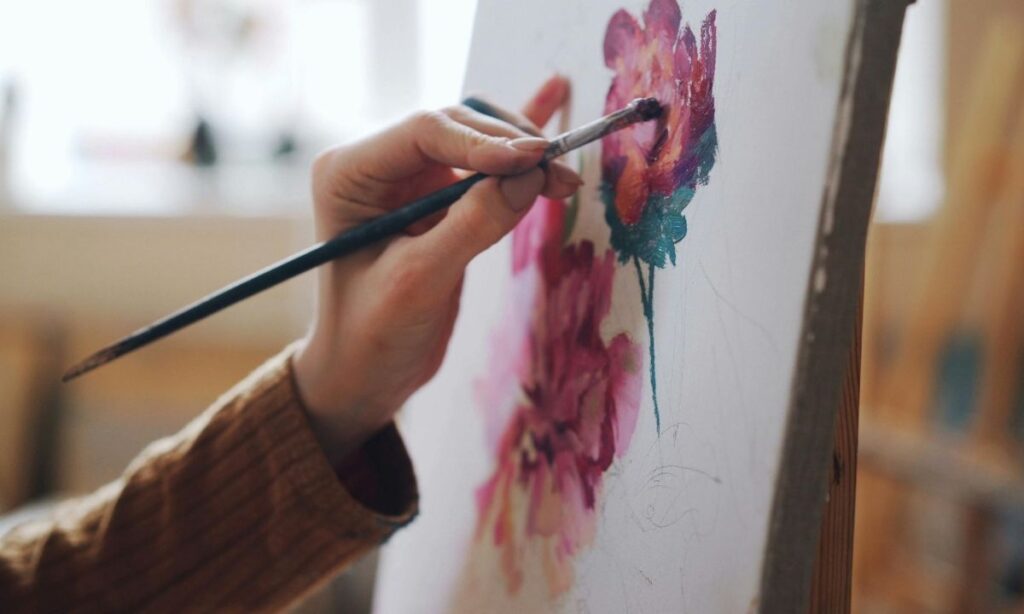
Knitting and crocheting, cross stitch and embroidery, ceramics, stain glass making, painting, drawing and pastels, gardening or growing an herb garden, puzzles, board and card games, quilting, sewing and patchwork, letter writing, journaling and scrapbooking, baking from scratch, bird watching and flower pressing are a good place to start. Once you find your groove with one, add in something new and see if it’s a fit. Rather than adding another to do to the list this is an opportunity for creative escape and it’s allowed to be whatever you want and that’s the beauty.
Have a story to tell? We'd love to hear it. Let’s begin with a simple note.
And everywhere in between
Paris, san Francisco, Casablanca