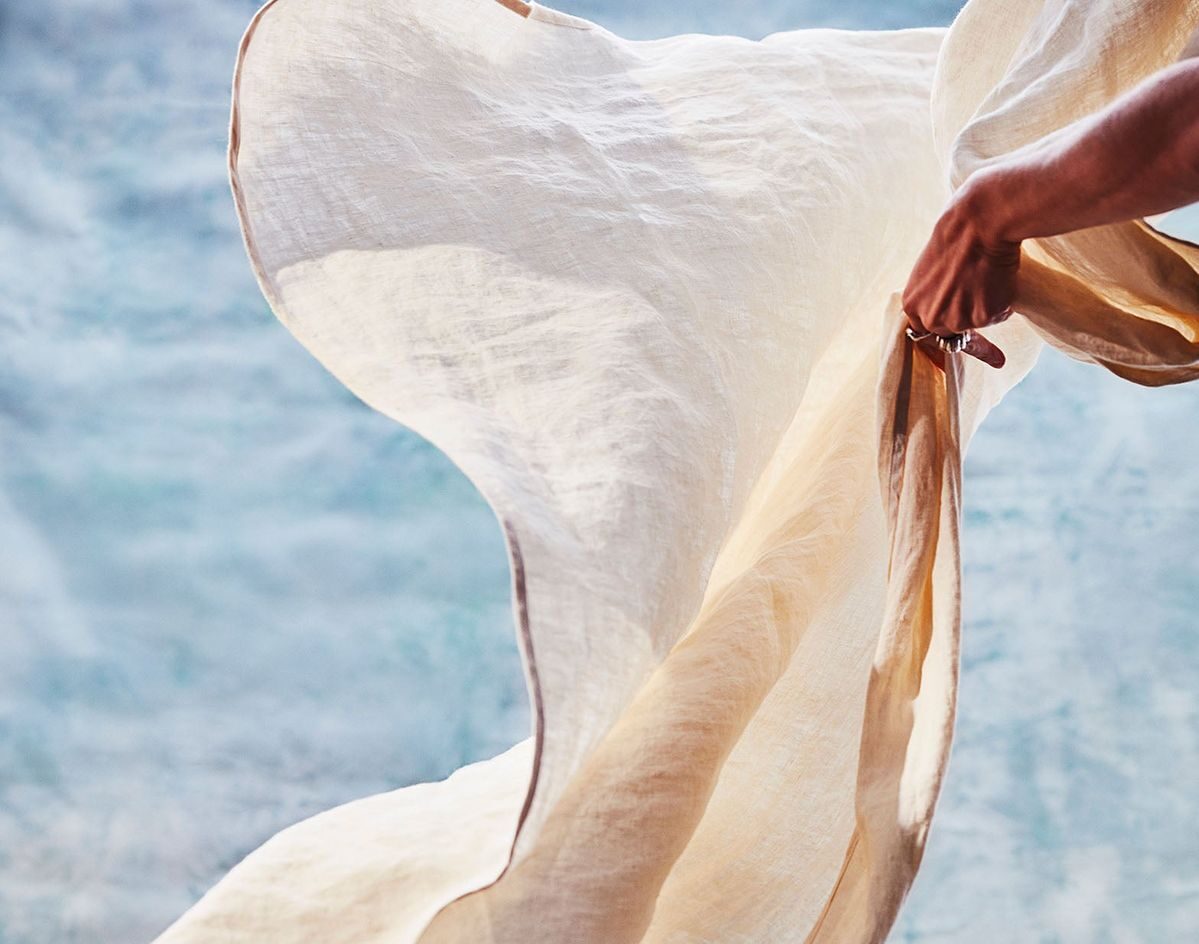
Linen & Hemp: The Fashion Relapse
We’ve all been there: lured in by the low prices, flashing neon sales, and the dopamine hit of a synthetic, fast-fashion fling. But three washes later, the thrill fades into a graveyard of pilling polyester, shrunken seams, and deep wardrobe regret. It’s a textbook bad romance.
Yet, just as we swear off the chaos of cheap thrills for good, two ancient, centuries-old flames start texting us back: linen and hemp. They aren’t fleeting micro-trends; they are the high-quality relationship material we never should have left. As the fast-fashion hangover sets in, society is finally sobering up, proving that no matter how many cheap distractions we turn to, we will always return to the enduring quality, sustainability, and effortless cool of the fabrics that treat us right.
After years of cycling through disposable garments, a cultural shift is happening. We are experiencing collective burnout from the quantity-over-quality mindset. In our quest for comfort, durability, and authenticity, we are running straight back into the arms of the two materials that have stood the test of time for millennia. Linen and hemp are making a massive comeback, not because they changed, but because we finally realized what we were missing.
The Century-Old Flames: A History of True Pedigree
To understand why linen and hemp are the ultimate premium standards, we have to look at their history. These aren’t temporary startup brands or synthetic compounds whipped up in a 20th-century lab; they are the original relationship material of human civilization.
Linen, derived from the resilient flax plant, holds a legendary status. In ancient Egypt, it was regarded as the “woven moonlight” and was used not only as currency but also to wrap royalty for the afterlife because of its purity and extreme longevity. It was a symbol of wealth, clean living, and sophistication.
Hemp has an equally unmatched pedigree. For thousands of years, it was the backbone of global infrastructure. From the sails and rigging of Christopher Columbus’s ships to the original drafts of the American Declaration of Independence, hemp was prized for being virtually indestructible. It is a plant that grows like a weed, requires minimal water, needs absolutely no pesticides, and actually rehabilitates the soil it grows in.
For centuries, these two fabrics clothed humanity, sailed oceans, and protected societies.
The Wardrobe Relapse: Conscious Labels Give In
It’s the classic cycle: you swear you are done investing in natural fibers because a cheap synthetic blend is just easier to throw in the cart. But then a summer heatwave strikes, or you actually want an outfit to last longer than a single season, and you find yourself opening up your wallet.
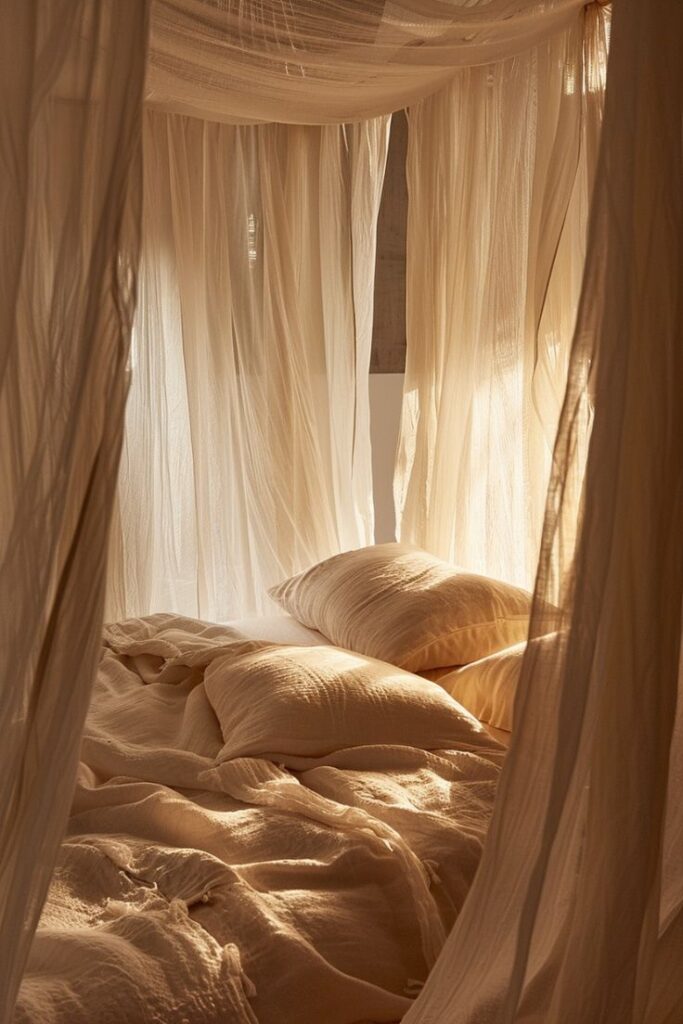
The fashion world’s most forward-thinking, conscious labels have already welcomed linen and hemp back with open arms. Instead of chasing fleeting micro-trends with cheap materials, these trailblazing brands are building entire collections around the raw allure and durability of these ancient fibers:
Kings of Indigo: This pioneer in sustainable denim and casualwear has successfully integrated hemp into modern, high-quality everyday wardrobes. Known for their strict environmental standards, they use hemp blends to create dresses and separates that offer a rugged, breathable toughness, proving that clothing can be structurally indestructible without relying on oil-based synthetic nylon.
About Companions: Specializing in ethically crafted menswear and unisex staples, this brand leans heavily into the timeless texture of linen. They champion the slow-fashion ethos, creating well-tailored, understated pieces that embrace the natural drape of the fabric. It’s an aesthetic built for longevity, showcasing that true style doesn’t need to yell to get noticed.
Mijuin: A beautiful example of the modern linen renaissance, this label celebrates the historic French heritage of the fabric. By sourcing and producing locally, Mijuin highlights the ultimate premium standard of flax: its ability to drop skin temperature during scorching summer days, while getting softer, more charming, and more resilient with every single wash.
Wrinkles, Texture & Character
The return to quality over quantity was never going to stop at fashion. After questioning what we wear, we started questioning what we live with. Suddenly, synthetic interiors began to feel strangely unsettling: polyester bedding that traps heat, faux-fur cushions that shed microfibers, fleece throws that electrify the air around them. The same fatigue that pushed people away from fast fashion is now reshaping the home.
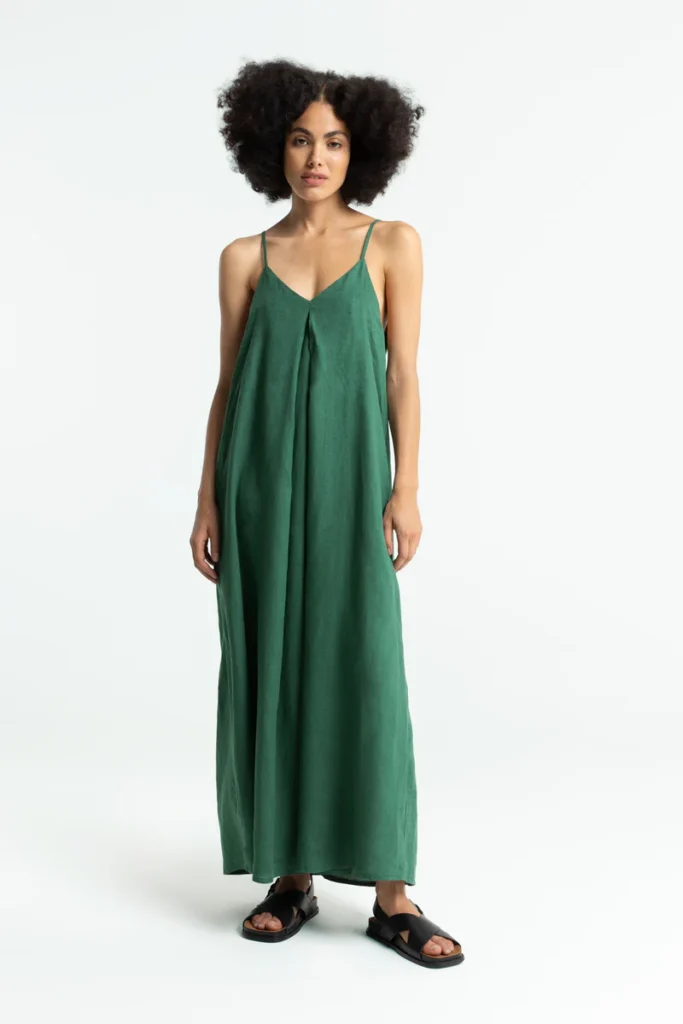
The appeal of linen and/or hemp lies precisely in what mass-produced interiors tried to erase for years, texture, irregularity, softness, wrinkles, evidence of life.
As glossy perfection loses its grip, interiors are embracing a more organic form of sophistication influenced by Wabi-Sabi aesthetics, Mediterranean minimalism, and slow living philosophies. Natural fibers absorb light differently, soften acoustics, and create spaces that feel warmer both visually and physically.
Several textile houses are helping shape this movement.
Founded in France, Couleur Chanvre has become a reference for pure hemp and linen home collections produced with non-toxic dyeing techniques. Their bedding, curtains, and table linens celebrate the raw beauty of natural fibers while proving that refined interiors can also prioritize health and environmental consciousness.
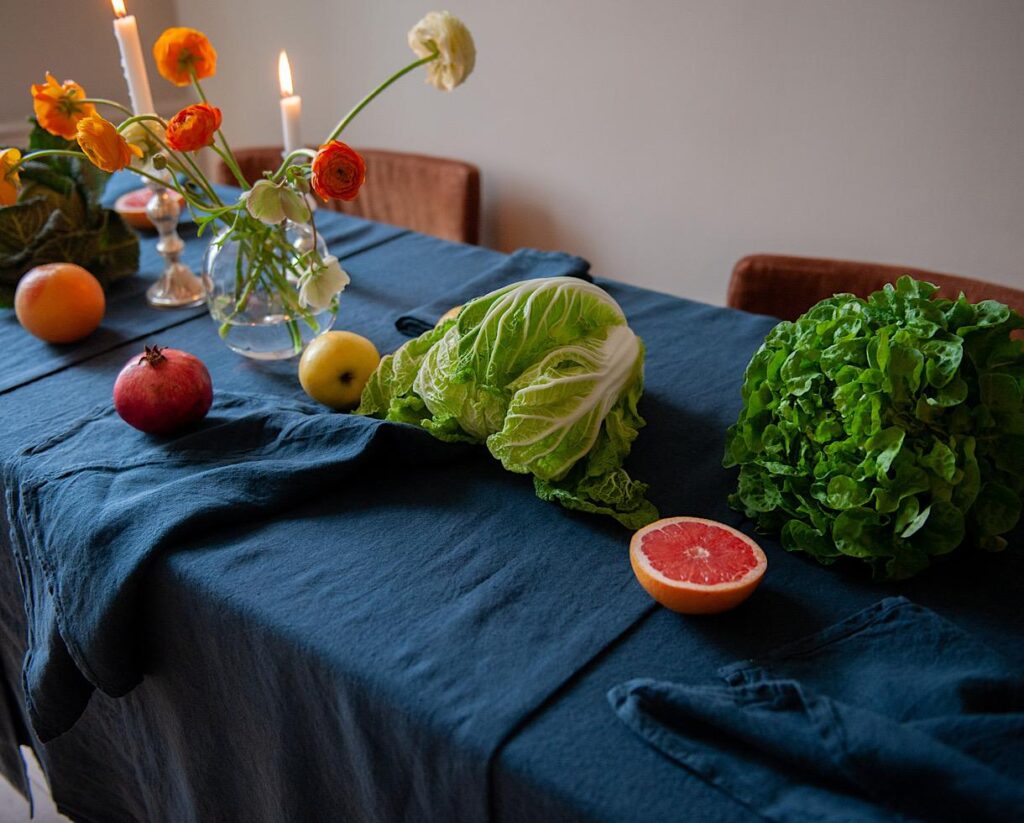
Meanwhile, Italian textile manufacturer Mario Cavelli has elevated linen and hemp into the world of architectural interiors. Their woven fabrics combine craftsmanship and performance, bringing depth, structure, and quiet luxury to upholstery and drapery projects.
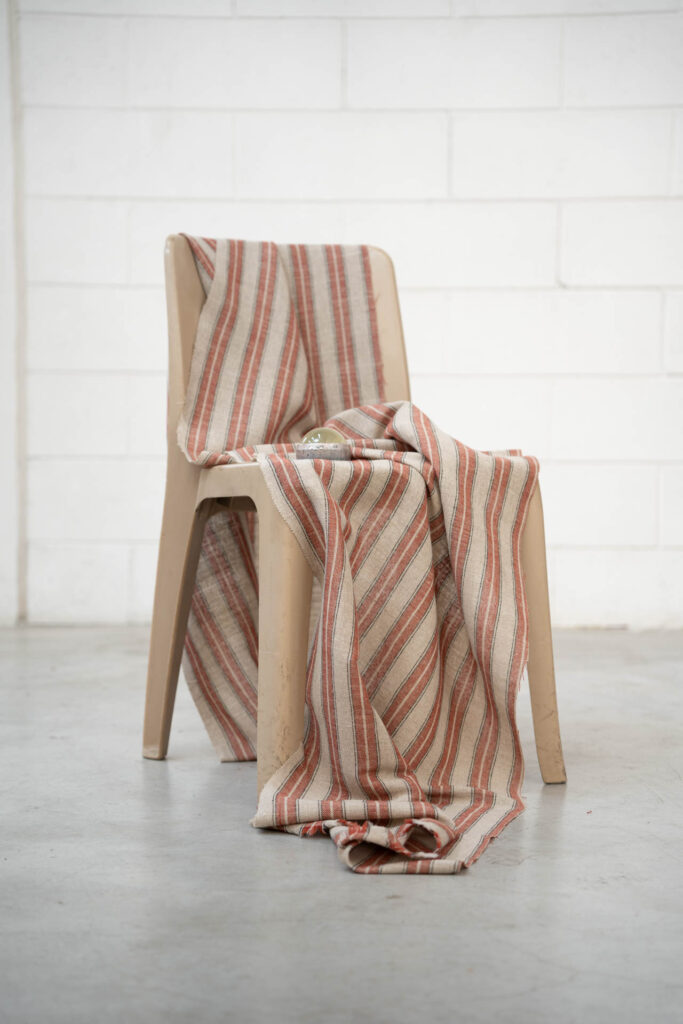
But the obsession with these materials goes beyond aesthetics. Their functionality is part of the appeal. Linen, for instance, is one of nature’s most effective thermal regulators. Used for bedding, upholstery, or curtains, it allows air to circulate naturally, helping interiors stay cooler during extreme heat while retaining warmth in colder months. In climates increasingly marked by heatwaves, linen sheets and curtains have become less of a design statement and more of a lifestyle adjustment.
Hemp offers equally compelling advantages. Naturally resistant to mold, mildew, and bacteria, it performs exceptionally well in moisture-prone spaces like bathrooms and kitchens. It also traps far fewer allergens and dust particles than synthetic textiles, subtly improving indoor air quality. In other words, these fabrics don’t simply make a home look better, they change the atmosphere of the space itself.
Discover the Exhibit
Our celebration of young and incredibly talented Chinese artists. Their artworks will be available for viewing all throughout the spring season as we usher in the New Year.
The Year of the Fire Horse


Xie Shiyi
03
DANLI MA
02
Huang Wang
01
Li xueer
04
CHENJIAN BOWEN
05
Yu Liu & Lief
06
Bella
07
ZHANGZHIWEI
08
Li Zihong
09
Discover the Artists
Osé Digital Art Gallery
Enjoy our Spring Feature Exhibition
Have a story to tell? We'd love to hear it. Let’s begin with a simple note.
And everywhere in between
Paris to Casablanca