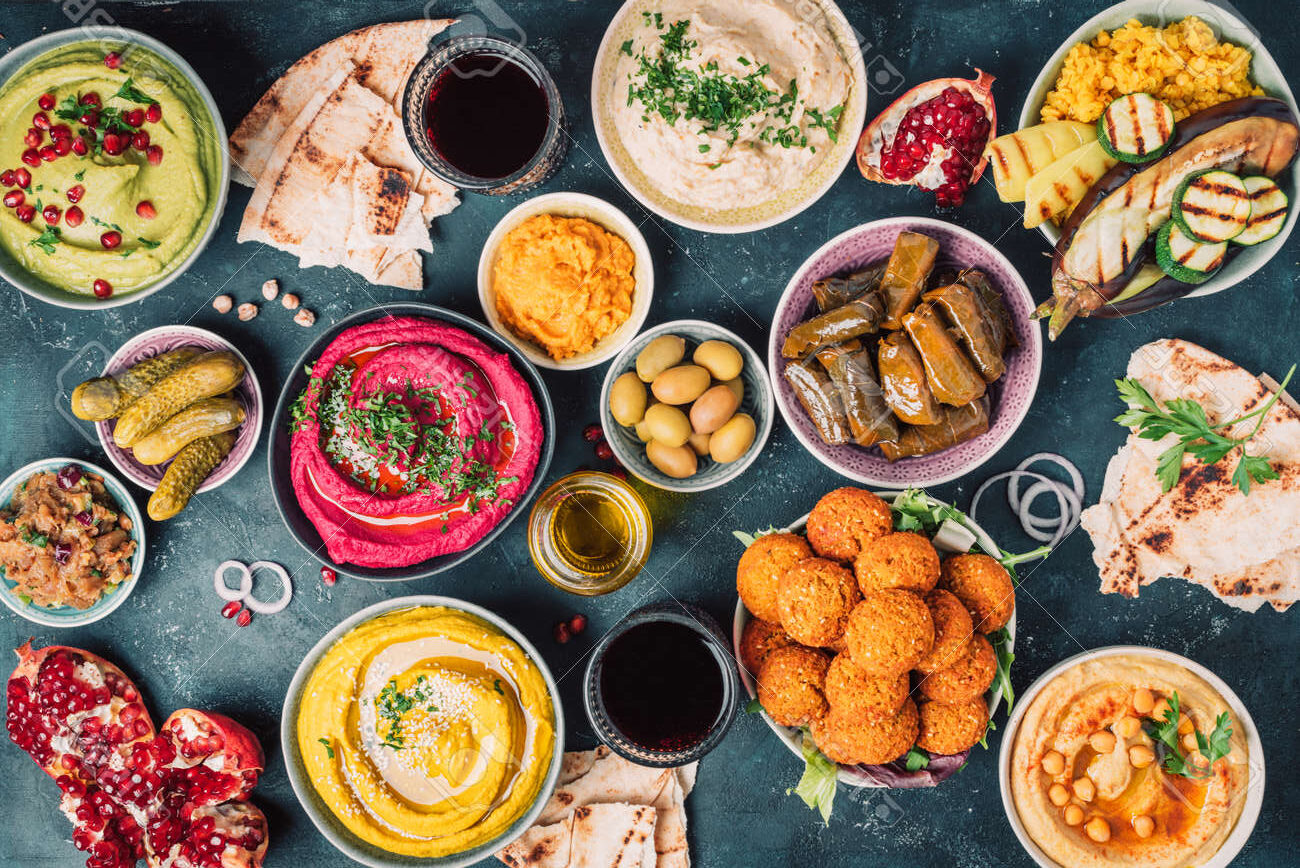
Summer of Feasts: Tour of the Best Mediterranean Dips
There is a precise moment when the Mediterranean summer shifts from a season into a state of mind. It happens just as the sun loses its midday sting, casting a honeyed, low-angled light across stone terraces, tiled courtyards, and coastal balconies. The heat of the day lingers in the air, but a cooling breeze brings the scent of pine and saltwater.
This is the hour of the aperitivo, the mezze, the tapas, a cross-cultural ritual of deceleration. At the center of this ritual lies a deceptively simple culinary vessel: the summer dip.
Across the Mediterranean basin, the dip is more than a starter; it is an exercise in resourcefulness and a masterclass in slow luxury. Historically, these dishes arose from the practical need to preserve and celebrate the peak of summer’s bounty using minimal intervention and natural preservation methods. They rely on the holy trinity of the ancient Mediterranean diet, olive oil, wheat, and seasonal produce, complemented by the vibrant vegetables and spices introduced through centuries of migration and trade.
To dip a piece of torn, warm bread into a communal bowl is to participate in an ancient, shared gesture of hospitality that spans continents. Here, we map the essential coast-to-coast itinerary of the Mediterranean’s most evocative summer blends.
Disclaimer: a lot of eggplants have been hurt for these recipes
Lebanon’s Mutabbal: The Silken Velvet of the Levant
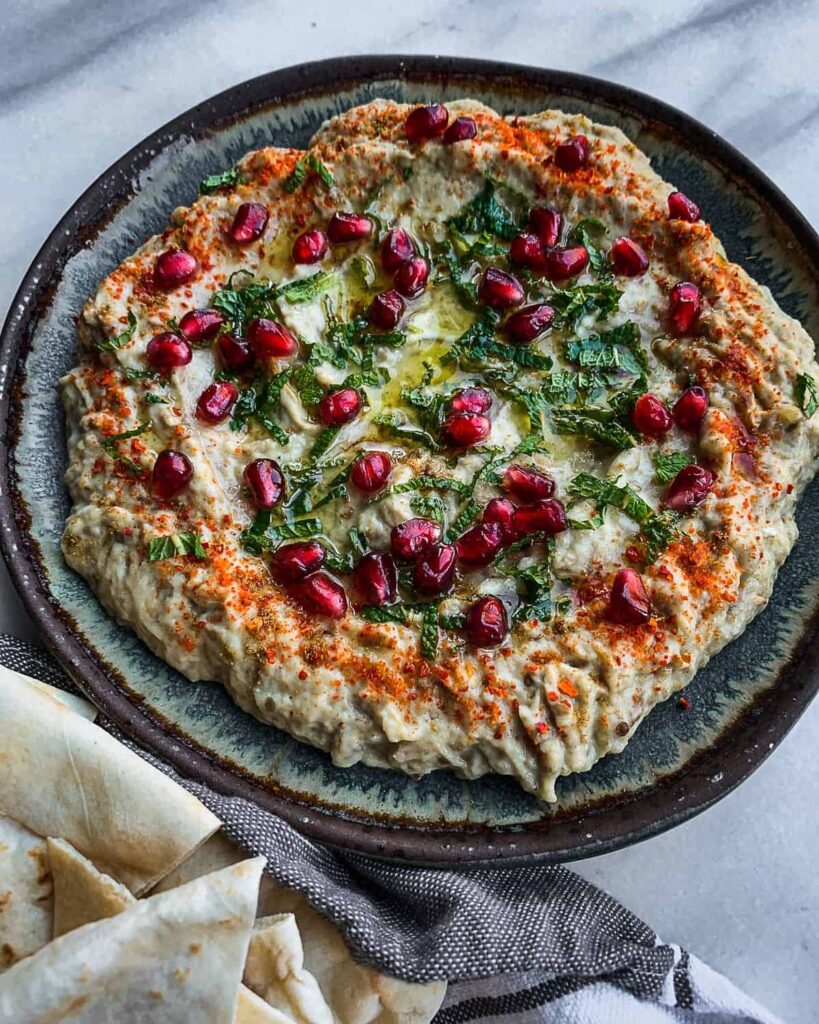
Step across to the Eastern Mediterranean, and the eggplant takes on an entirely different guise. While the West often defaults to Hummus, the true star of a Lebanese summer sunset is Mutabbal (frequently conflated with, yet distinct from, Baba Ganoush).
Where Baba Ganoush is tart and studded with pomegranate molasses, walnuts, and chopped vegetables, Mutabbal is an exercise in pure creaminess. The eggplants are roasted directly over an open flame until the interior turns custardy and thoroughly infused with woodsmoke. This smoky pulp is then vigorously whisked with rich sesame tahini, garlic, lemon juice, and sea salt.
The result is a silken, pale velvet dip that balances the bitterness of the tahini with the bright acidity of the citrus. Served with a deep well of extra virgin olive oil and a scatter of ruby-red pomegranate seeds, it is a fixture of Levant hospitality.
Greece’s Tzatziki & Melitzanosalata: The Cool Breath of the Aegean
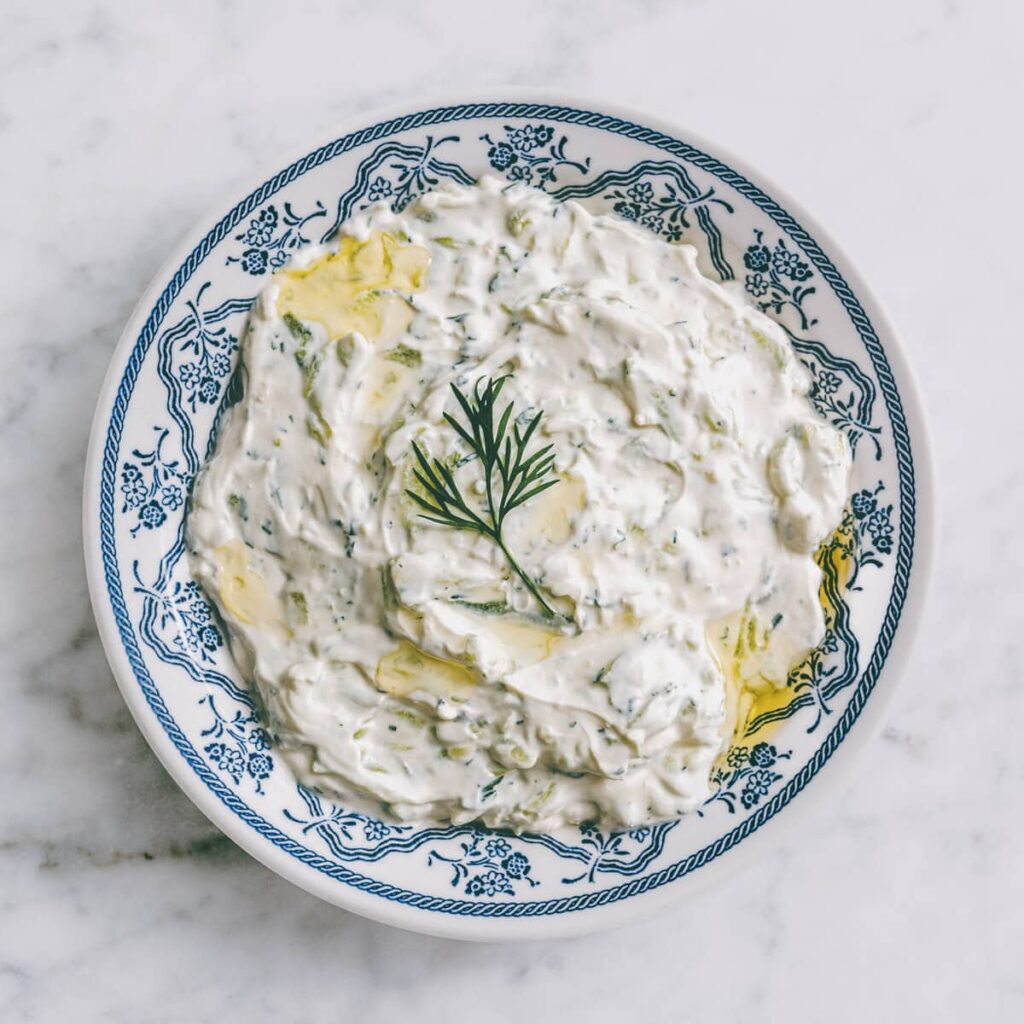
No summer itinerary is complete without the crisp, refreshing contrast of the Greek islands. When the thermometer climbs, the Aegean table counters with Tzatziki, a dip designed entirely around cooling properties.
Built on a foundation of thick, strained sheep or goat’s milk yogurt, it features grated cucumbers that have been meticulously salted and squeezed dry to preserve the dip’s thick integrity. Heavily laced with garlic, fresh dill or mint, and a sharp splash of red wine vinegar, it acts as a culinary cooling mechanism against the midday sun.
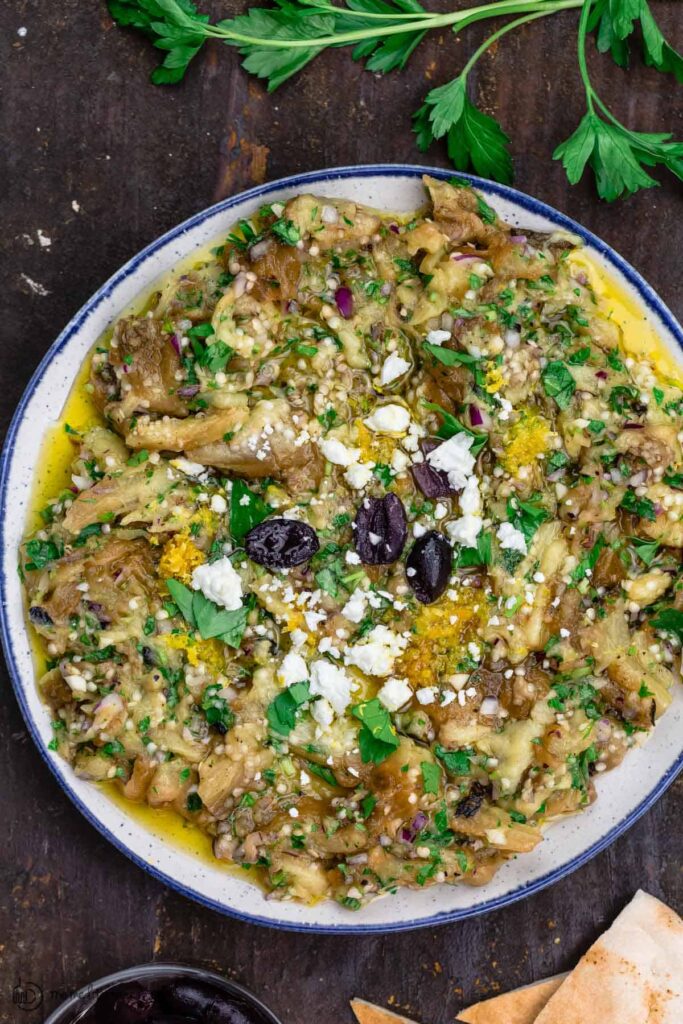
Alongside it, you will inevitably find Melitzanosalata—the Greek interpretation of the roasted eggplant dip. Stripped of the heavy tahini found in the Levant, the Greek version relies on the purity of the vegetable, emulsified simply with excellent olive oil, lemon, red onions, and occasionally crumbled feta or chopped parsley. It tastes exactly like an Aegean breeze: clean, sharp, and unforgettable.
Italy’s Whipped Ricotta & Sicily’s Caponata: The Art of Dolce Far Niente
In Italy, the concept of il dolce far niente (the sweetness of doing nothing) is elevated by an aperitivo culture that requires minimal time in the kitchen but delivers maximum sensory reward.
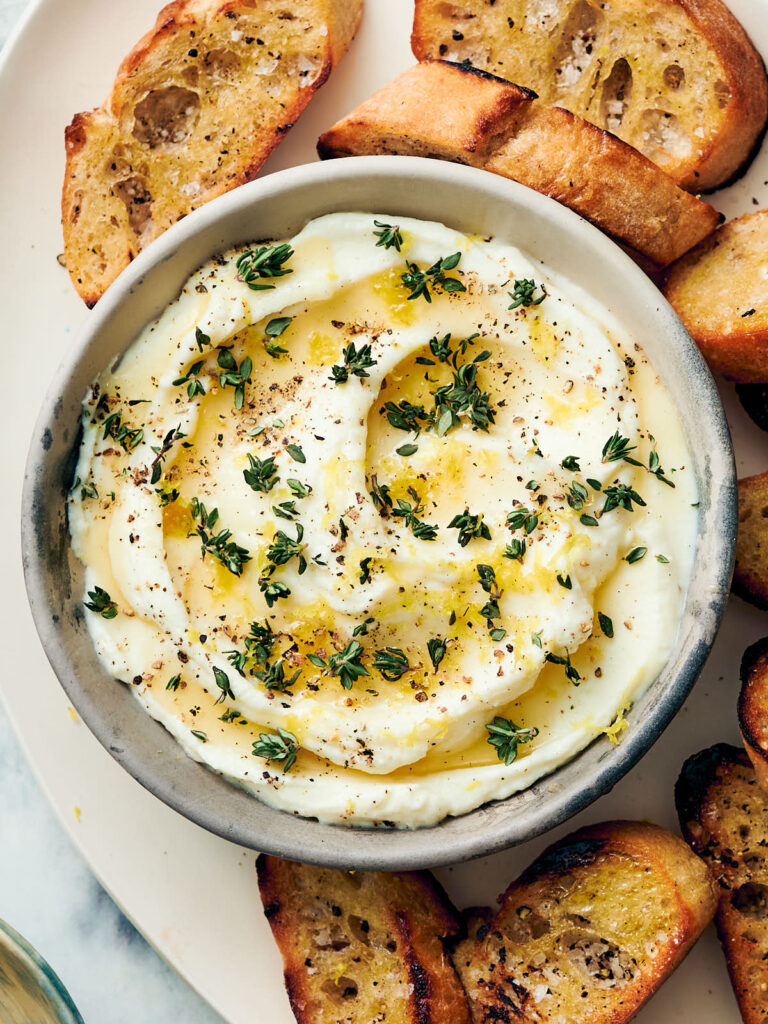
While Southern Italy boasts rich vegetable caponatas, a modern Italian summer favorite is Whipped Ricotta with Honey and Herbs. Fresh, high-quality whey ricotta is whipped in a food processor until it transforms into a cloud-like, ethereal spread. It is spread across a shallow plate, drizzled with a high-viscosity, spicy olive oil, a run of raw wildflower honey, and sprinkled with flaky sea salt and cracked black pepper.
Paired with grilled focaccia or rubbed sea-salt crostini, it captures the effortless, elegant simplicity that defines Italian style.
Spain’s Salmorejo: The Andalusian Sun in a Bowl
Moving to the Iberian Peninsula, Spain solves the summer heat not with a chunky dip, but with a spoonable, dip-adjacent masterpiece born in the sun-baked plains of Córdoba: Salmorejo.
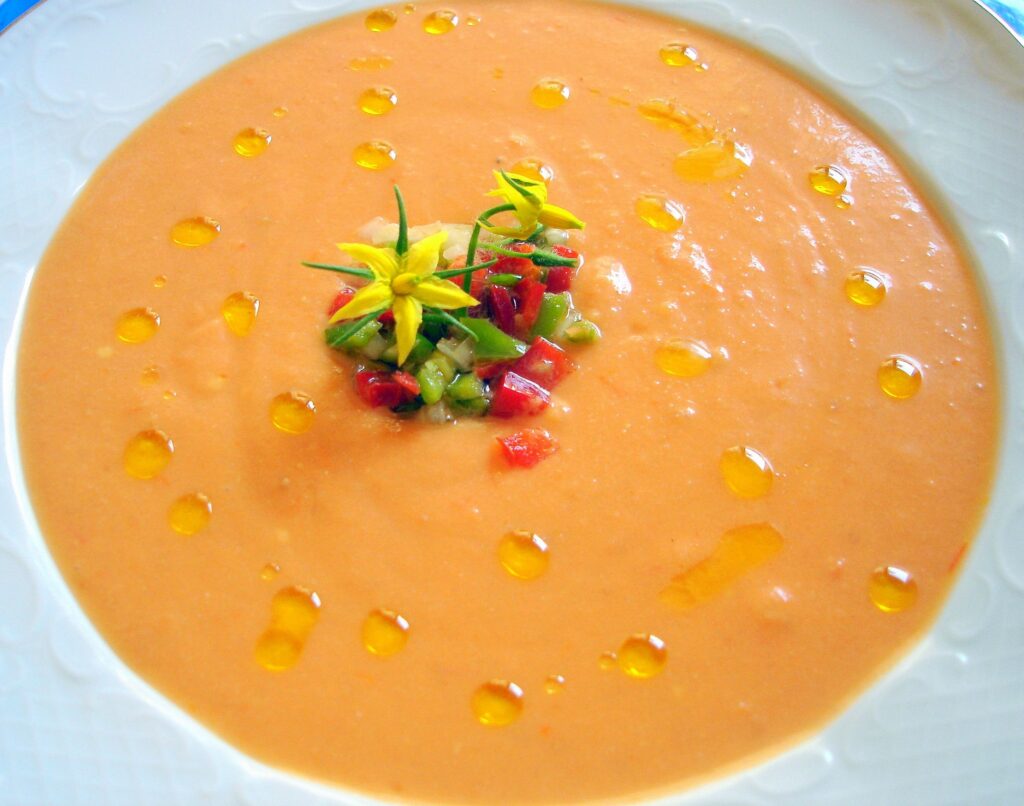
Often overshadowed by its liquid cousin, Gazpacho, Salmorejo is much thicker, creamier, and explicitly designed to be scooped up with pieces of crusty pan rústico. Ripe, juicy plum tomatoes are blended with stale white bread, garlic, and a generous stream of Spanish extra virgin olive oil until an ultra-smooth, orange-pink emulsion forms.
No water or dairy is added; the luxurious texture comes entirely from the mechanical emulsion of oil and tomato waters. Chilled until ice-cold and garnished with hard-boiled egg and crispy shards of whatever type of dry meat you like, it is absolute fuel for a late-night Spanish summer.
Portugal’s Pastinha de Grão de Bico: The Atlantic Edge of the Mediterranean Soul
Though technically anchored on the Atlantic, Portugal’s culinary soul remains deeply intertwined with Mediterranean sensibilities, particularly through its historical Moorish roots and reliance on pulses.
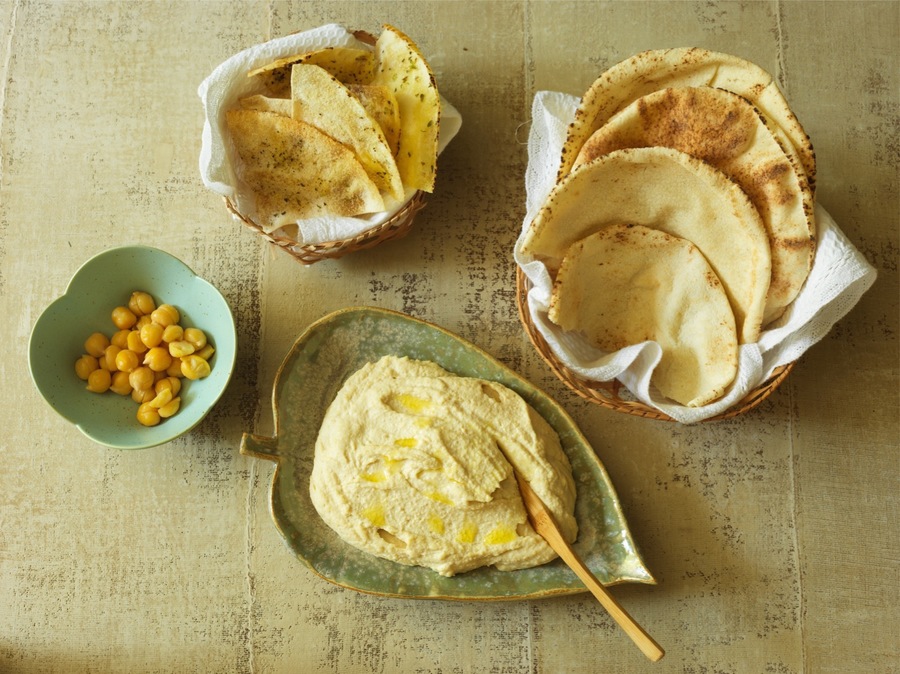
A staple of the Portuguese petiscos (small plates) culture is Pastinha de Grão de Bico: a rustic chickpea spread. While it shares ingredients with Middle Eastern hummus, the Portuguese version skips the tahini entirely. Instead, cooked chickpeas are mashed with a generous hand of raw garlic, a massive amount of chopped fresh cilantro (a defining herb of Portuguese cooking), lemon juice, and the region’s exceptional, peppery olive oil.
Often served alongside marinated black olives and preserved seafood, it offers an earthy, vibrant, and thoroughly Atlantic perspective on a classic Mediterranean format.
Morocco’s Zaalouk: The Smoked Hearth of North Africa
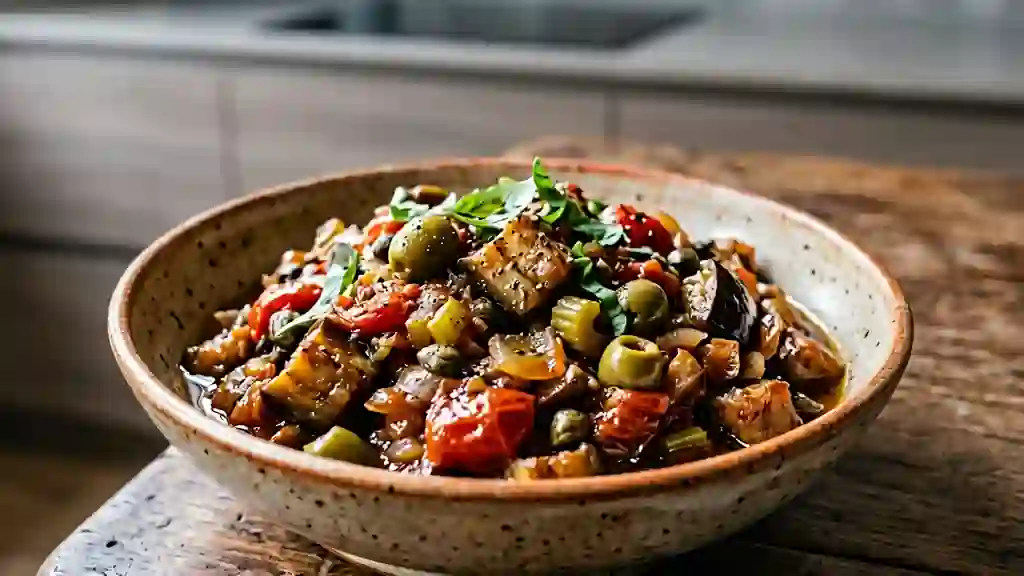
In Morocco, the summer table is anchored by cooked salads and dips that double as a showcase for artisanal patience. Chief among them is Zaalouk, a deeply comforting, smoky medley of eggplants and tomatoes.
Eggplants are charred until their skins blacken and collapse. The smoky flesh is then slow-simmered with ripe tomatoes, garlic, cumin, sweet paprika, and a bright finish of fresh coriander and a squeeze of lemon. Unlike slick, pureed dips, a true Zaalouk retains a rustic, coarse texture. It is sweet, savory, and intensely aromatic, best enjoyed lukewarm or at room temperature, scooped up with crusty khobz (traditional flatbread).
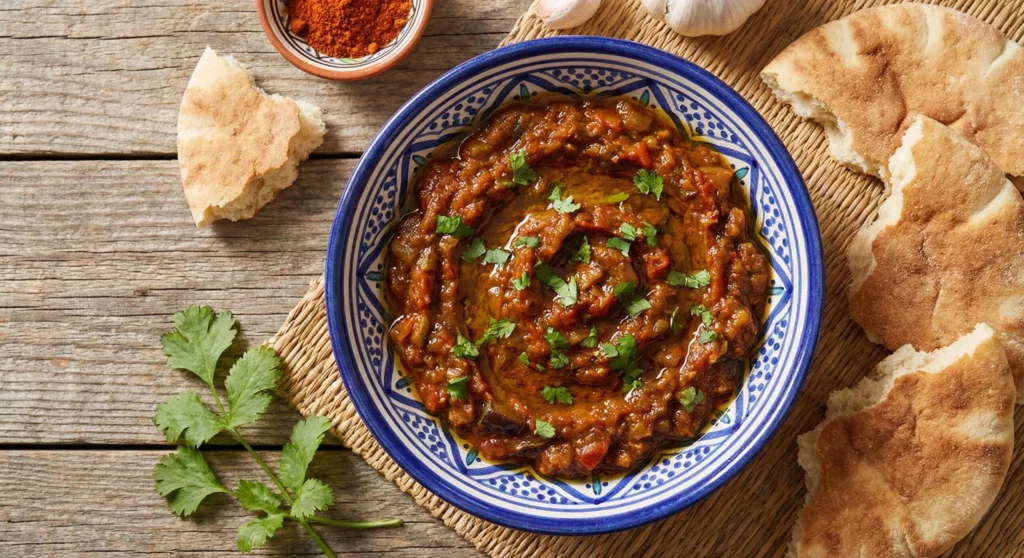
The Master Recipe: Osé’s Signature Zaalouk
To bring the spirit of the Mediterranean coast to your own table, begin with this foundational Moroccan classic. It demands no precision, only good ingredients and a willingness to let things simmer slowly.
1. Char the Eggplants :15 mins. Place 2 large eggplants directly over an open gas flame, under a broiler, or on an outdoor grill. Turn occasionally until the skins are completely blackened and blistered, and the flesh feels entirely soft and collapsed.
2. Steam and Peel :10 mins. Transfer the hot eggplants to a bowl and cover tightly with a plate or wrap for 10 minutes. This traps the steam, making the skins slide off effortlessly. Peel, discard the charred skins, and roughly chop the smoky flesh.
3. Build the Tomato Base :10 mins. In a wide skillet, heat 3 tbsp of extra virgin olive oil over medium heat. Add 3 grated ripe tomatoes, 3 minced garlic cloves, 1 or 2 tsp cumin, 1 tsp sweet paprika, and a pinch of cayenne. Simmer until the tomato water evaporates and a thick paste forms.
4. Meld and Mash :15 mins. Add the chopped eggplant to the skillet. Use the back of a wooden spoon or a potato masher to crush the eggplant into the tomatoes as they cook. Simmer on low heat until the mixture is cohesive, thick, and the oil begins to separate at the edges.
5.The Final Flourish :1 min. Remove from the heat. Stir in 1/2 cup of finely chopped fresh coriander (cilantro) and the juice of half a lemon. Season generously with sea salt. Serve at room temperature with a good homemade khbouyza (bread).
Discover the Exhibit
Our celebration of young and incredibly talented Chinese artists. Their artworks will be available for viewing all throughout the spring season as we usher in the New Year.
The Year of the Fire Horse


Xie Shiyi
03
DANLI MA
02
Huang Wang
01
Li xueer
04
CHENJIAN BOWEN
05
Yu Liu & Lief
06
Bella
07
ZHANGZHIWEI
08
Li Zihong
09
Discover the Artists
Osé Digital Art Gallery
Enjoy our Spring Feature Exhibition
Have a story to tell? We'd love to hear it. Let’s begin with a simple note.
And everywhere in between
Paris to Casablanca