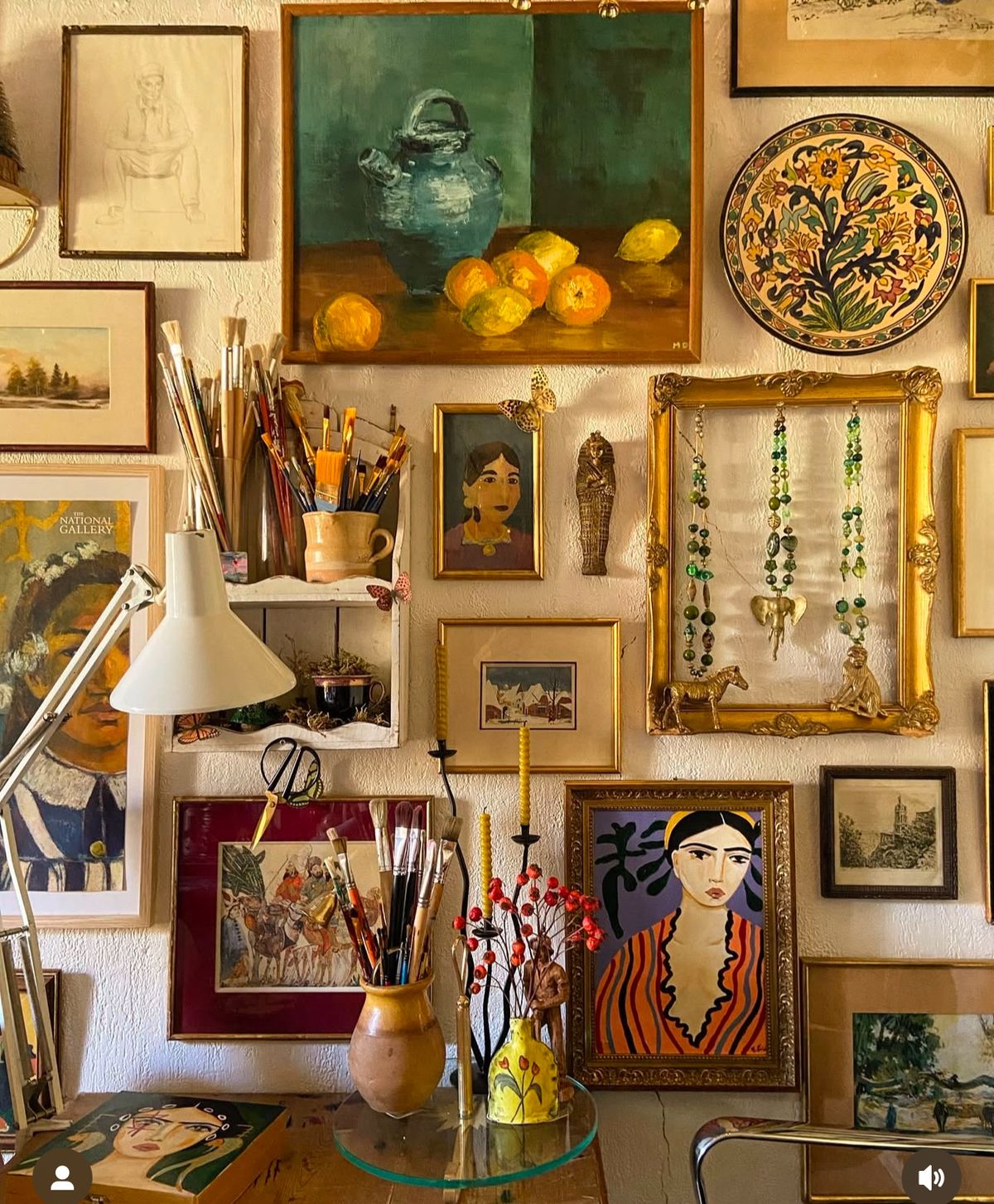
Forget What You Think an Art Collector Looks Like
To build a collection is an act of quiet rebellion. For decades, the mainstream art market has functioned as an intentional fortress, shielded by an opaque lexicon, exclusive gallery lists, and staggering premium markups designed to keep the uninitiated on the outside. But true connoisseurship has never been about the size of a ledger; it is defined by the depth of a gaze. Collecting art affordably isn’t a compromise in aesthetic value; it is an authentic pursuit that demands curiosity, resourcefulness, and a refusal to rely on institutional validation.
First of All: Define “Affordable”
Before a single piece is acquired, we must deconstruct the financial mythology surrounding contemporary art. In an ecosystem where headline-grabbing auction lots routinely cross eight figures, the word “affordable” has been thoroughly distorted. In reality, affordability is entirely subjective, fluid, and deeply personal. It means seeking out exceptional artistic execution at a price point that respects your current economic reality without sacrificing intellectual or visual integrity.
The premium placed on blue-chip names is often a premium on marketing and asset speculation, not raw human expression. By detaching ourselves from the speculative game, we open our spaces to works that possess a genuine soul. Affordability is not a concession to mediocrity; it is an invitation to discover talent before it is institutionalized.
Look Closer: The Unpolished Circle
Often, the most profound artistic encounters happen just outside your immediate field of vision. We exist in a culture where many incredibly gifted visual minds remain non-professional, sometimes hesitant or even ashamed to declare themselves fully within a rigid creative landscape. They may hold a corporate day job, yet produce striking, technically rigorous work in the isolation of their own domestic spaces.
If you look closely within your own community, ask questions, and stumble upon work that moves you, offer your encouragement. To buy directly from a passionate, independent artist is a pure transaction: it bypasses the middleman, provides vital material validation to the creator, and ensures that your collection begins with a narrative of deep personal alignment.
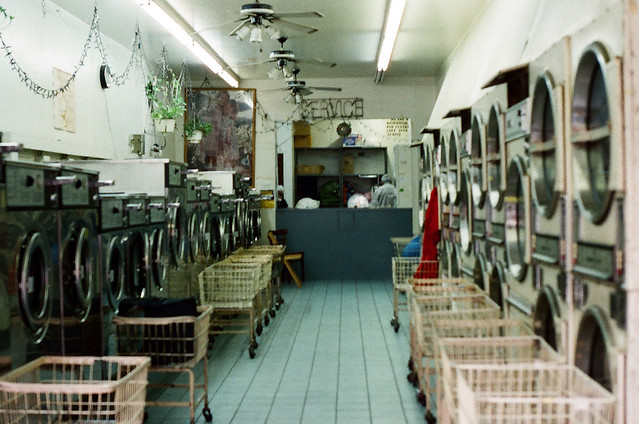
Digital Flânerie: The Radical Shift of Scrolling
The digital landscape has fundamentally democratized artist discoverability. While traditional brick-and-mortar galleries can occasionally breed exclusivity, often clustering in a few major metropolitan hubs, social media platforms have transformed into sprawling, global open-studios.
Emergent artists, painters, ceramists, photographers and more, who lack institutional backing or geographical proximity to major urban centers are bypassing old gatekeepers entirely, charting their own paths, and engaging directly with audiences. Cultivating an eye while scrolling is the new version of gallery-hopping.
At Osé, we believe deeply in bridging this exact digital divide. Our own online gallery space acts as a living extension of this ethos, introducing curation to discovery. To that end, stay tuned for our next featured digital exhibition and curated artist capsule, launching online this summer.
The Art of the Hunt: High-Low Antiquarian Thrifting
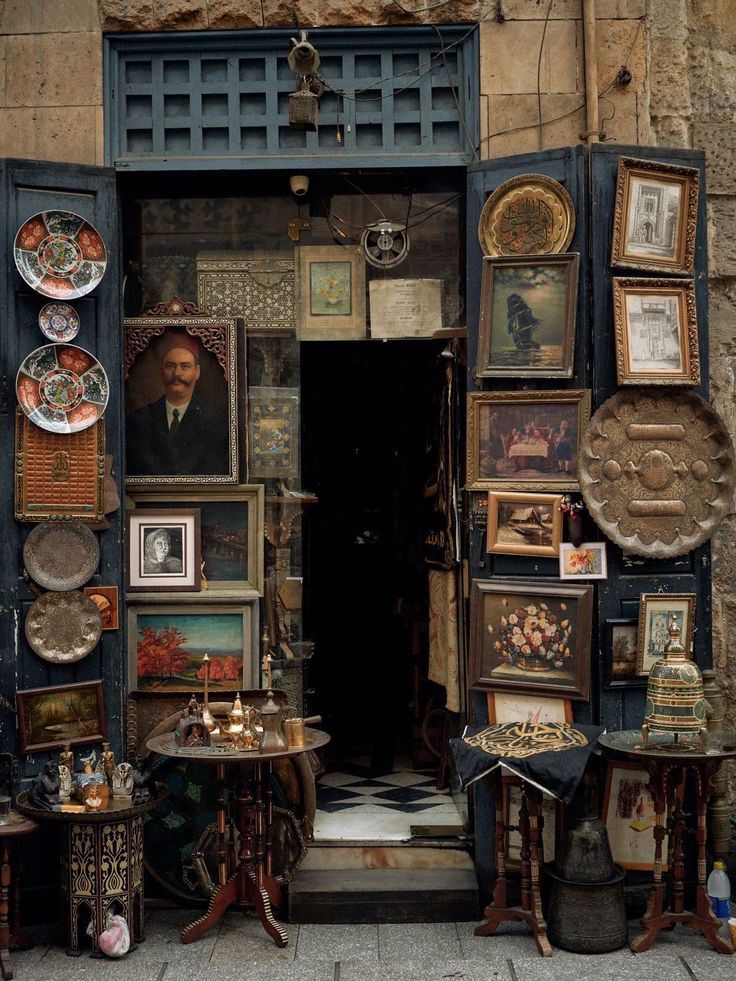
True collectors know that history is full of discarded genius. Thrifting, flea market scouting, and navigating specialized antiquarian platforms offer unparalleled access to physical history at an accessible threshold. This isn’t about collecting clutter; it is about recognizing craftsmanship beneath decades of dust. Look for archival treasures such as:
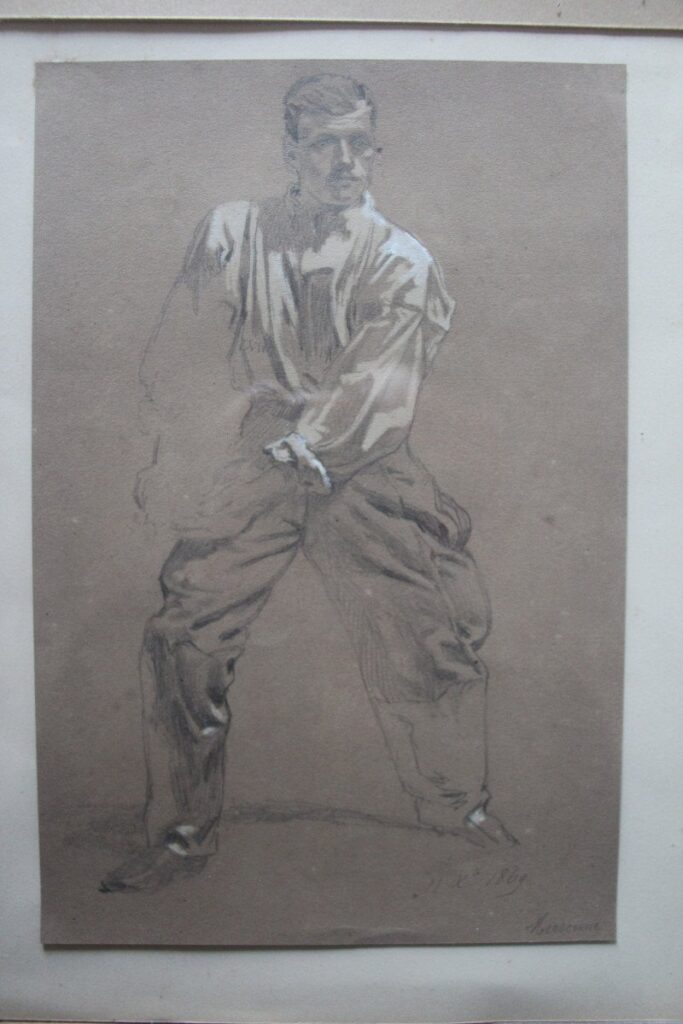
Historical Graphic Works & Academic Sketches: Detailed 19th-century academic studies, delicate charcoal drawings, or architectural renderings offer a timeless, classical sensibility.
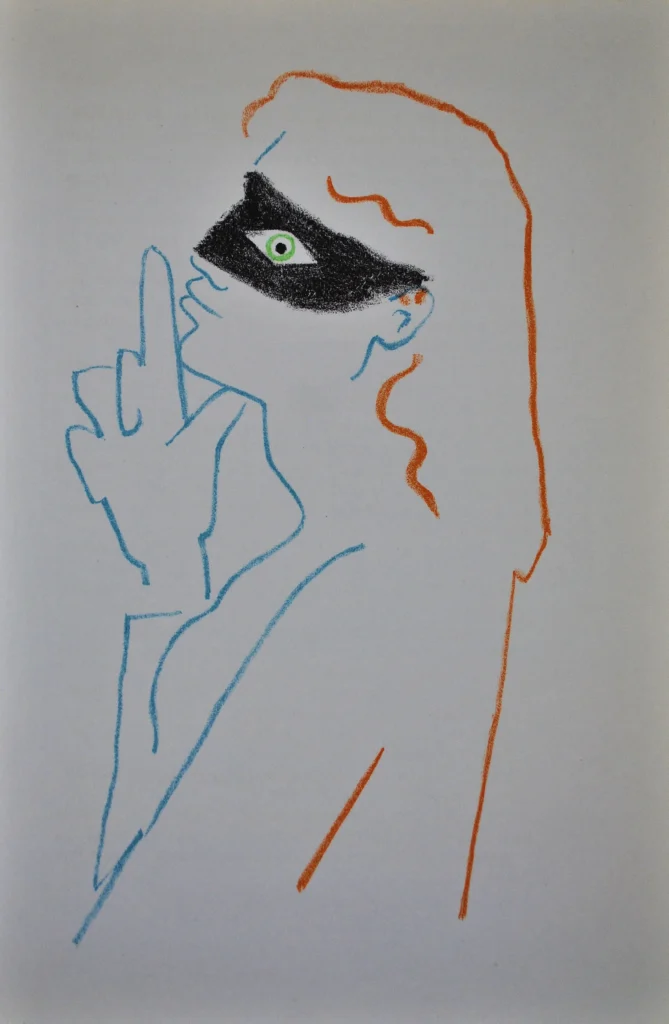
Master Prints, Lithographs & Estampes: You don’t need a massive budget to own a masterwork. Renowned 20th-century iconoclasts frequently experimented with printmaking and limited editions, making their iconic visual language attainable.
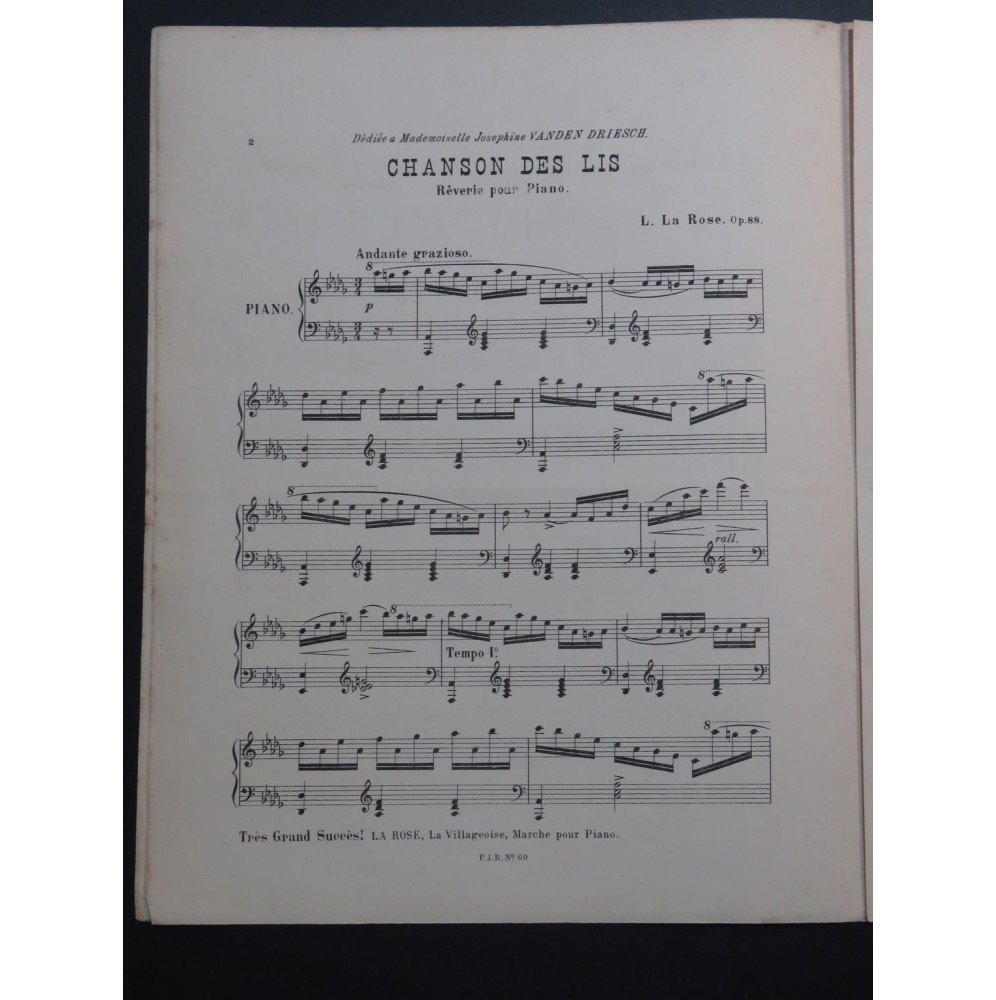
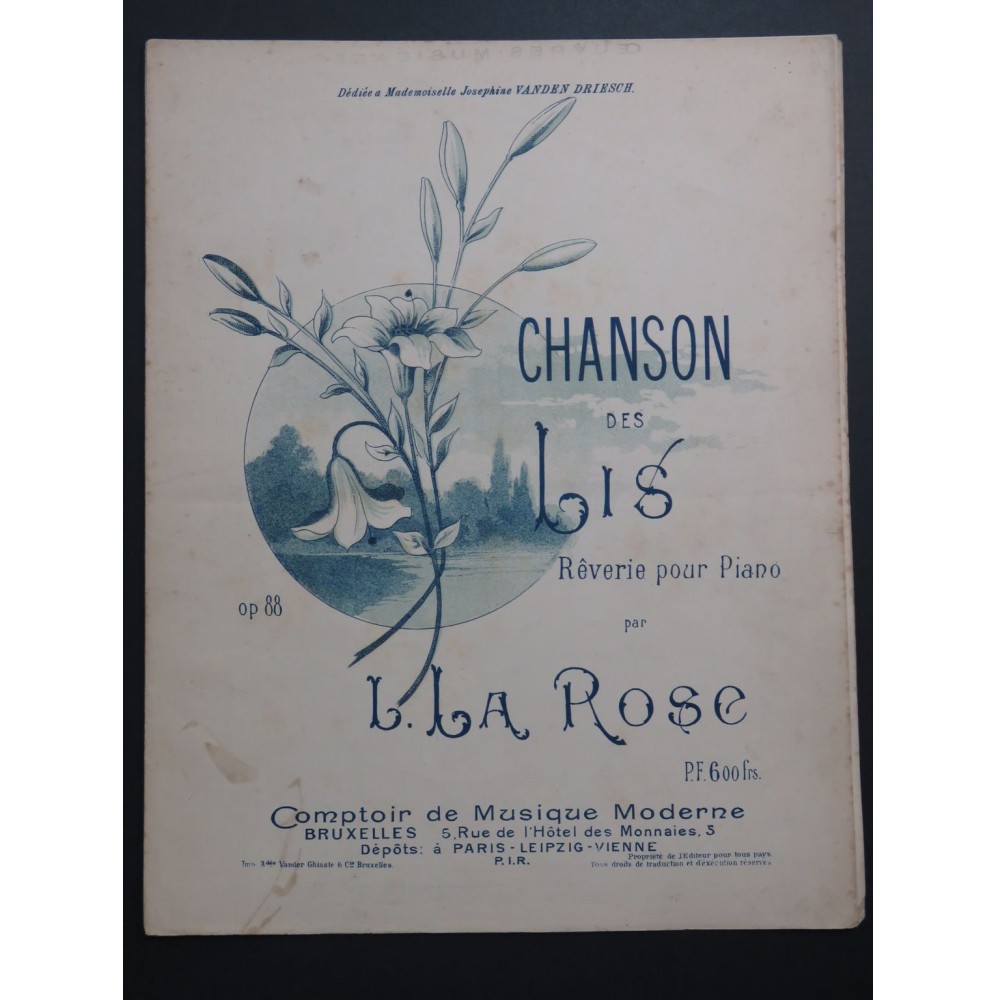
Antique Sheet Music & Partitions: Vintage, hand-printed musical scores possess an extraordinary graphic elegance when framed. The typography, aged paper patina, and structural layout of historical sheet music read like beautiful abstract line art.
The Nomad’s Eye: Researching Beyond Borders
Travel offers a unique opportunity to build an authentic collection. When navigating a new country or city, resist the commercial tourist centers, – please don’t be that cliché-, and dive directly into local subcultures. Do your research before arrival: seek out independent local co-ops, regional print workshops, or smaller neighborhood art spaces.
Acquiring a piece while traveling abroad guarantees that your collection reflects a genuinely global, eclectic worldview. These works carry the distinct geographic energy, materials, and cultural socio-politics of their origin, serving as vivid, intellectual markers of your personal movements across the globe.
The Institution as Education
While the primary objective may be to acquire work for your personal space, never underestimate the classic avenues: public museums, regional institutions, and non-commercial gallery spaces. While you may not be taking a masterpiece home from a national museum, these spaces are where your visual education is refined.
To buy well, you must look constantly. Spending hours observing how curators handle spacing, lighting, and dialogue between contrasting art periods trains your eye to spot real value and structural mastery out in the wild.
The Intimate Frame: Printing Your Own Eye
It can sound deceptively simple, perhaps even elementary to the traditionalist, but consider the power of your own lens. We live in an era of saturated, disposable imagery, yet occasionally, we capture a moment that transcends the digital screen. A particular sunset, an architectural silhouette, or a fragmented shadow that carries an indelible emotional weight or a beautiful memory.
Why let these visual meditations sit dormant in a digital archive? Printing your own photography on high-grade archival paper and giving it a thoughtful physical form is a legitimate act of curation. It transforms a fleeting personal memory into a permanent, tactile centerpiece that carries a narrative no commercial gallery could ever replicate.

The Final Alchemy: The Art of Framing
A mediocre piece of art can be entirely elevated by an extraordinary frame, just as a beautiful canvas can be completely diminished by a poor one. However, high-end custom framing can be notoriously expensive, sometimes eclipsing the cost of the artwork itself.
The sophisticated solution? Apply the art of the hunt to the frame itself. Source old, beautifully crafted wooden, gilded, or minimalist vintage frames from estate sales or thrift shops. Look specifically for frames that retain their original, high-clarity glass—or swap it for non-reflective museum glass. Investing in glass that minimizes harsh light reflections ensures that your art remains perfectly legible and striking from every angle, allowing its texture and depth to be truly admired.
Discover the Exhibit
Our celebration of young and incredibly talented Chinese artists. Their artworks will be available for viewing all throughout the spring season as we usher in the New Year.
The Year of the Fire Horse


Xie Shiyi
03
DANLI MA
02
Huang Wang
01
Li xueer
04
CHENJIAN BOWEN
05
Yu Liu & Lief
06
Bella
07
ZHANGZHIWEI
08
Li Zihong
09
Discover the Artists
Osé Digital Art Gallery
Enjoy our Spring Feature Exhibition
Have a story to tell? We'd love to hear it. Let’s begin with a simple note.
And everywhere in between
Paris to Casablanca