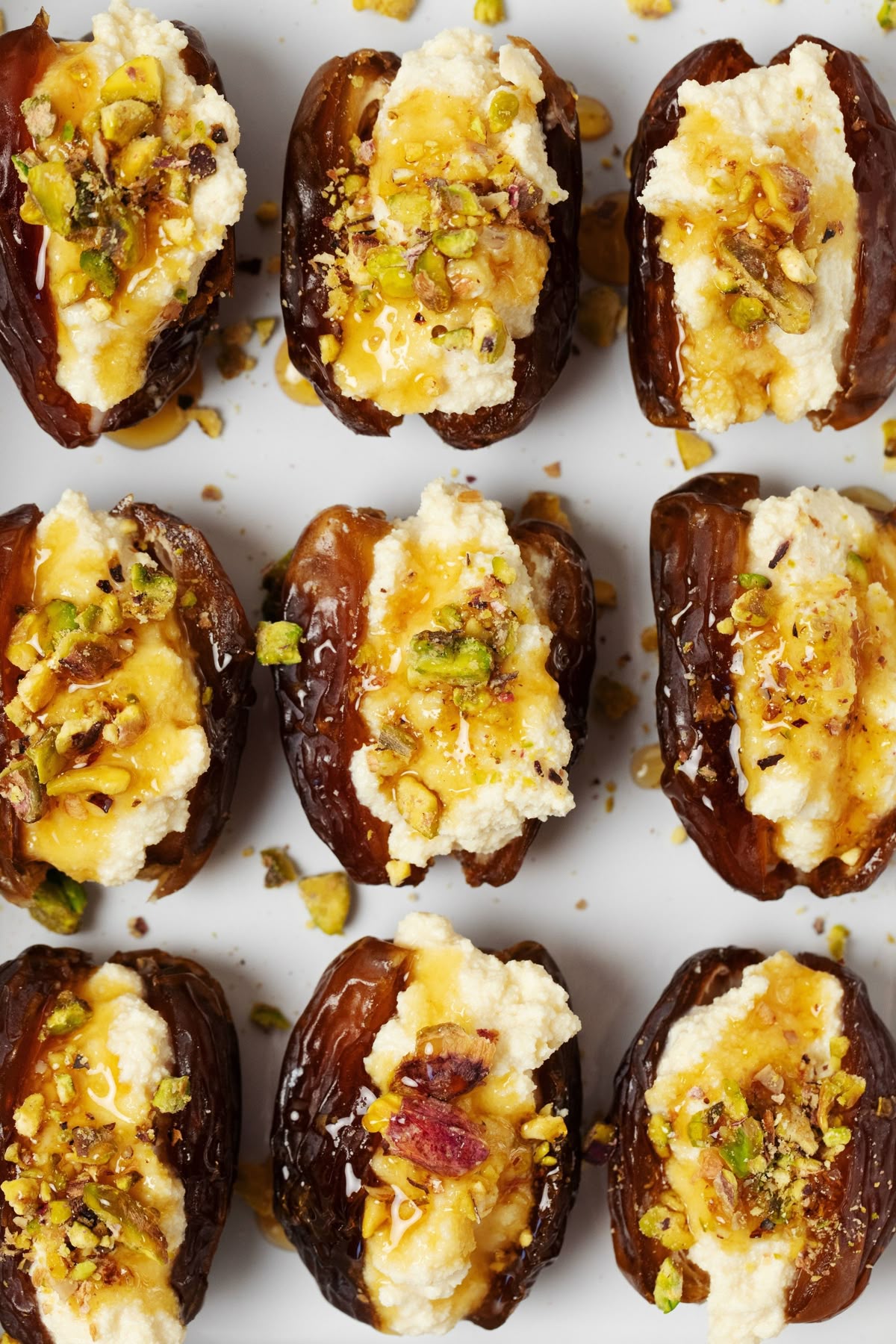
Date Expectations: The Remarkable Reinvention of a Humble Fruit
Reimagined as gourmet snacks, chocolate-covered treats, natural sweeteners and luxury gift boxes, they have become one of the most fashionable foods of the wellness era.
If pistachios were the ingredient of the past five years, dates may well be the ingredient of the next five. Increasingly sold in elegant boxes and gourmet assortments, they are becoming the new box of chocolates for a health-conscious generation. But is this a genuine food revolution, or simply brilliant marketing wrapped in beautiful packaging?
From Oasis Staple to Global Superfood
For centuries, dates have been one of humanity’s oldest cultivated foods. Yet in the age of protein bars, collagen gummies and functional snacks, few would have predicted their return to the spotlight.
And yet, here we are.
The global date market is booming, expected to grow from approximately $34.5 billion in 2026 to more than $55 billion by 2034. The driving force is simple: consumers are increasingly searching for foods that feel natural, minimally processed and nutritionally dense. Dates sit perfectly at the intersection of all three trends.
In an era where ingredient lists have become shorter and “clean labels” more desirable, dates have acquired a new identity: nature’s candy with a health halo.
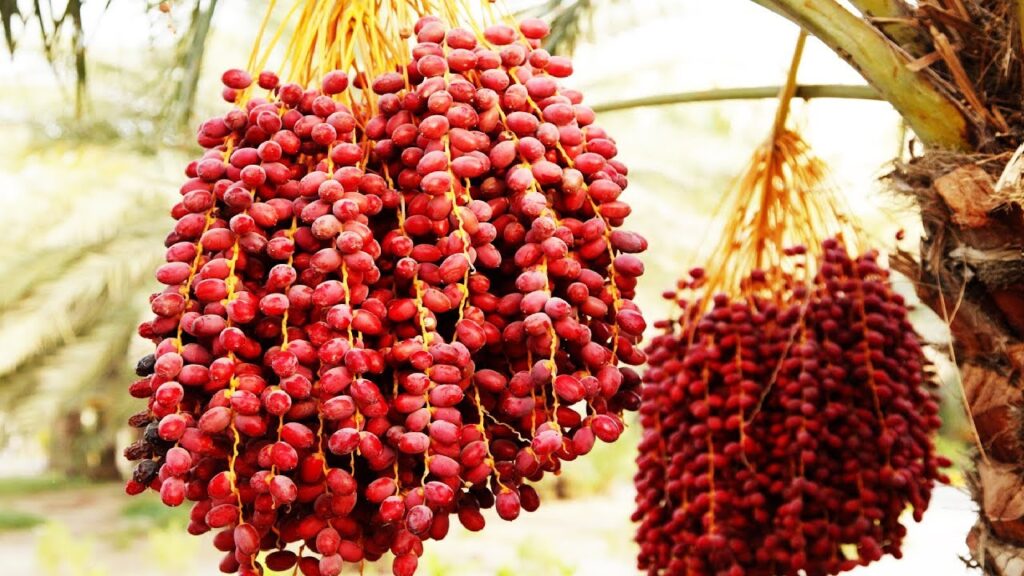
The Anti-Ultra-Processed Snack
The rise of dates is part of a larger cultural shift. Consumers are moving away from ultra-processed snacks and artificial sweeteners in favour of whole foods that offer both indulgence and nutritional benefits. Retailers across Europe and North America report surging demand for Medjool dates, date butter and chocolate-coated date snacks. Social media platforms, particularly TikTok, have accelerated the phenomenon, turning dates into the star ingredient of everything from energy balls to healthier versions of Snickers bars.
The appeal is obvious: dates satisfy cravings while allowing consumers to feel virtuous. They are sweet, familiar, naturally rich in fibre and minerals, and fit seamlessly into the language of modern wellness.
For a generation obsessed with balancing pleasure and health, dates offer the perfect compromise.
The Packaging Revolution
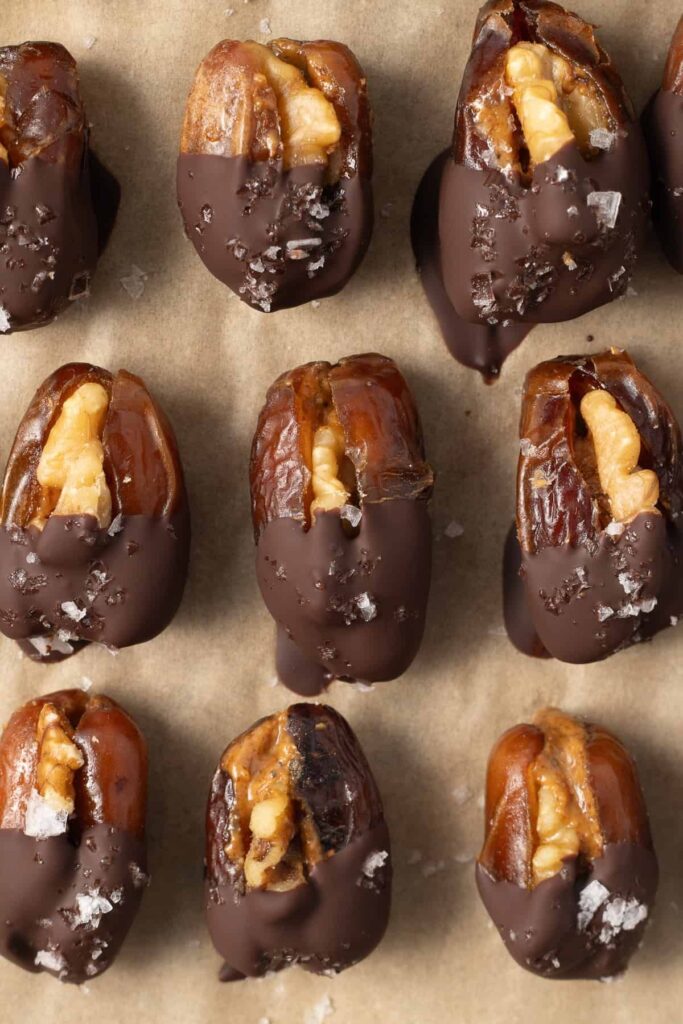
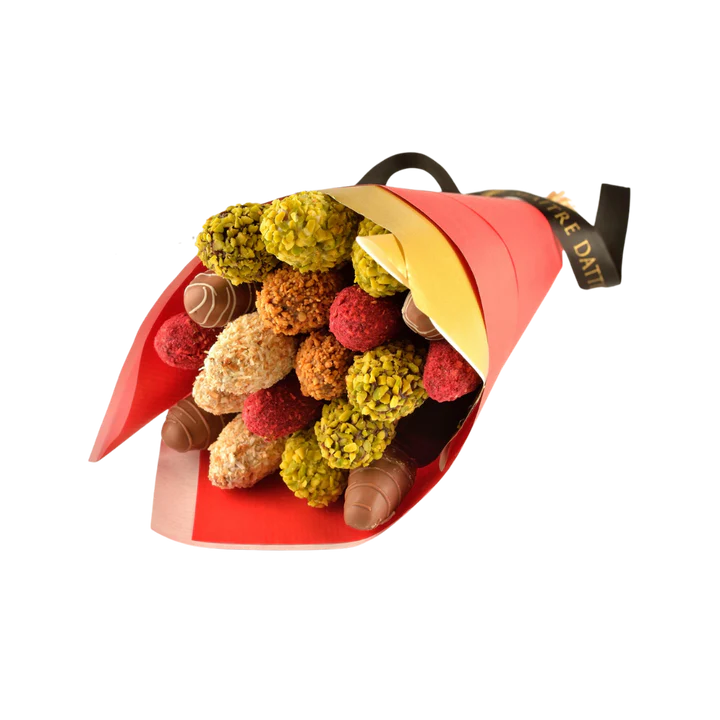
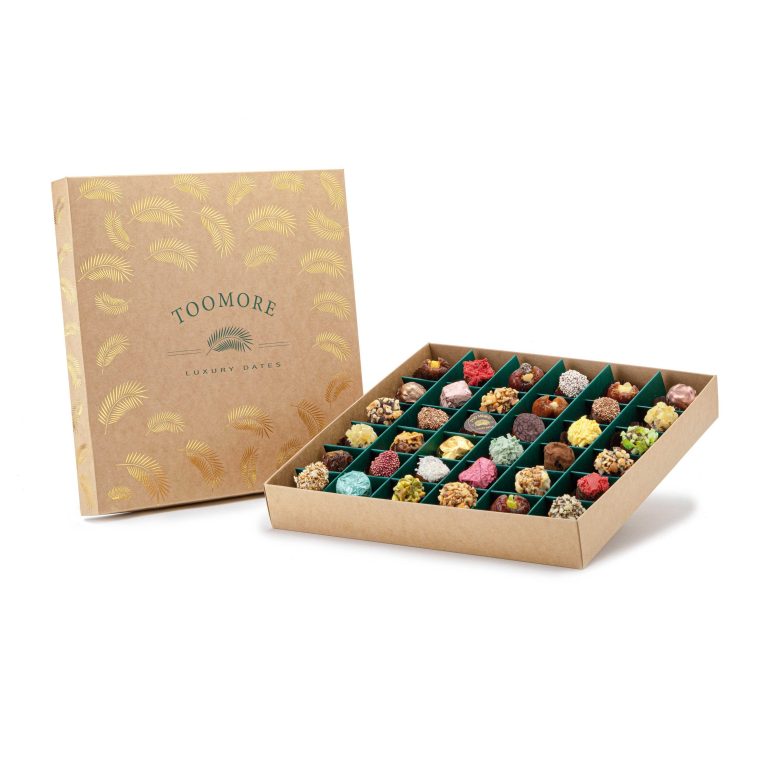
Of course, dates themselves are not new. What is new is the way they are being sold. Today’s premium date brands look less like traditional grocery products and more like luxury confectionery labels. Elegant boxes, minimalist typography, gift-ready packaging and elevated storytelling have transformed an everyday fruit into an aspirational lifestyle product. Brands are increasingly positioning dates as a premium experience rather than a basic commodity. Chocolate-covered dates, stuffed dates, flavoured dates and curated gift assortments have become common. Innovative packaging alone now represents a significant driver of retail growth within the category.
In many ways, dates are undergoing the same transformation that olive oil, honey and coffee experienced before them: a shift from pantry staple to gourmet product.
The Moroccan Opportunity
Few countries are better positioned to benefit from this renaissance than Morocco. The kingdom has become a strategic market for dates, combining strong domestic consumption with growing production capacity. After years affected by drought and climate challenges, Morocco recorded a historic harvest of approximately 160,000 tonnes during the 2025-2026 season, the highest level in its history. The sector supports millions of people across oasis regions and represents a key economic resource. The country’s date-growing regions, particularly Drâa-Tafilalet, possess a wealth of varieties and centuries of expertise. As international demand for premium and origin-driven products rises, Moroccan producers increasingly have an opportunity to move beyond raw commodity sales and into higher-value branded products. The question is no longer whether Morocco can produce dates. The question is whether it can produce the next luxury date brand.
When Dates Become Design Objects
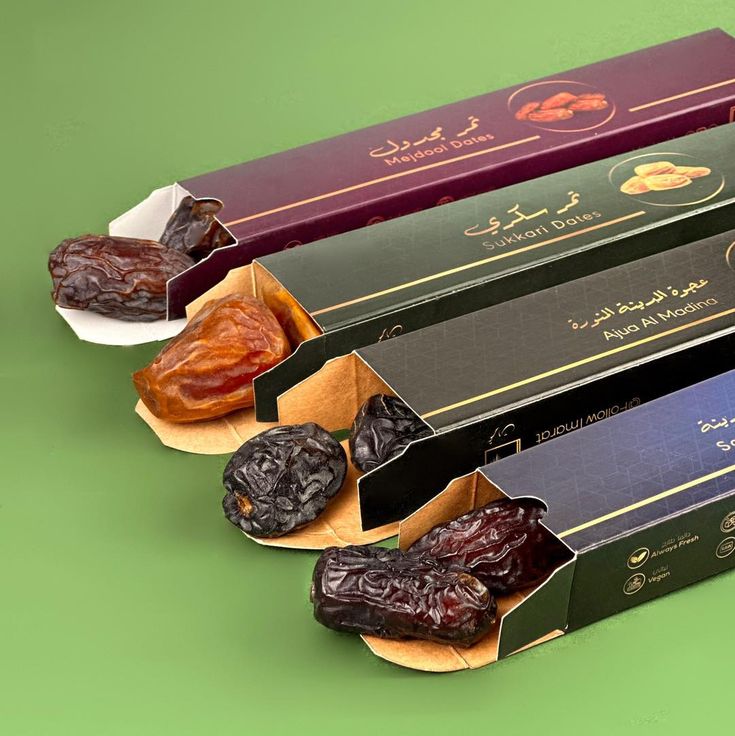
The new generation of date companies understands that consumers are no longer buying food alone. They are buying aesthetics, values and identity. Across Morocco and beyond, brands are experimenting with sleek packaging, premium positioning and modern storytelling. Date boxes now sit comfortably alongside artisanal chocolates, specialty coffee and luxury teas. Some brands focus on terroir and authenticity. Others embrace indulgence through chocolate coatings, gourmet fillings and sophisticated gift formats. The fruit itself remains the same; the narrative surrounding it has changed completely. The result is a product that appeals simultaneously to wellness enthusiasts, luxury consumers and gift buyers.
Natural Sweetness in a Sugar-Weary World
Another reason for the date boom lies in changing attitudes towards sugar. Consumers increasingly want sweetness without the guilt associated with refined sugar. Dates have become a favourite substitute in everything from baking to smoothies, energy bars and dessert recipes. Across Europe, manufacturers are using dates as a natural sweetener while highlighting claims such as “no refined sugar” and “naturally sweetened.” This positioning aligns perfectly with contemporary consumer preferences for transparency and simplicity. In other words, dates are not merely competing with snacks. They are increasingly competing with sugar itself.
Trend or Lasting Transformation?
Food trends often burn brightly before disappearing. But dates feel different.Unlike many wellness fads, they benefit from something rare: authenticity. They are not a laboratory invention, a synthetic supplement or a newly discovered superfood. They have thousands of years of cultural legitimacy behind them.
A society exhausted by artificial ingredients, endless additives and ultra-processed foods has rediscovered a fruit that was there all along. Marketing has undoubtedly accelerated the phenomenon, but it did not invent it.
Discover the Exhibit
Our celebration of young and incredibly talented Chinese artists. Their artworks will be available for viewing all throughout the spring season as we usher in the New Year.
The Year of the Fire Horse


Xie Shiyi
03
DANLI MA
02
Huang Wang
01
Li xueer
04
CHENJIAN BOWEN
05
Yu Liu & Lief
06
Bella
07
ZHANGZHIWEI
08
Li Zihong
09
Discover the Artists
Osé Digital Art Gallery
Enjoy our Spring Feature Exhibition
Have a story to tell? We'd love to hear it. Let’s begin with a simple note.
And everywhere in between
Paris to Casablanca