Gritos for Everyone: The Mexican Art of Gathering
While living in Paris people often ask me what I miss most about the United States and specifically California. Leaving California for the cold, grey climate of Paris is genuinely unfathomable for any French person I’ve ever met. My response to the question however, always has to do with food choices (mostly Mexican and Japanese) and the melting pot of cultures that you get the privilege of growing up in and around.
Growing up in California as a mixed race kid was a treat. It gave me access to a culture that was mine but that I didn’t have access to in my immediate family and that first point of access was through food. When people in France tell me they don’t really like Mexican food, I understand them because until recently they haven’t had access to genuine Mexican food. When I arrived in France 15 years ago “Mexican” restaurants consisted of American movie style nacho cheese covered bagged chips and white people tacos complete with lettuce and guacamole that involved mayonnaise. A far cry from what one would consider authentic Mexican food.
Another barrier is France’s own relationship with culinary arts, proudly (and within Europe, rightfully) claiming the number one spot. However, I find that oftentimes because of that rich history and self assuredness, the culinary world leaves little space for anything that doesn’t fit into its Franco-centric idea of what “good food” is, thus, leaving cuisines like Mexican off the list of flavors to delight in. That and the French’s complete intolerance to spice in any form, bless them.
That all changed over the weekend when I went to the Festival Gastronomique Sabor a México in the 15th arrondissement. While there are some great Mexican restaurants around Paris now, there is still something missing that the Mexican blood running through my veins is in need of. And its community.
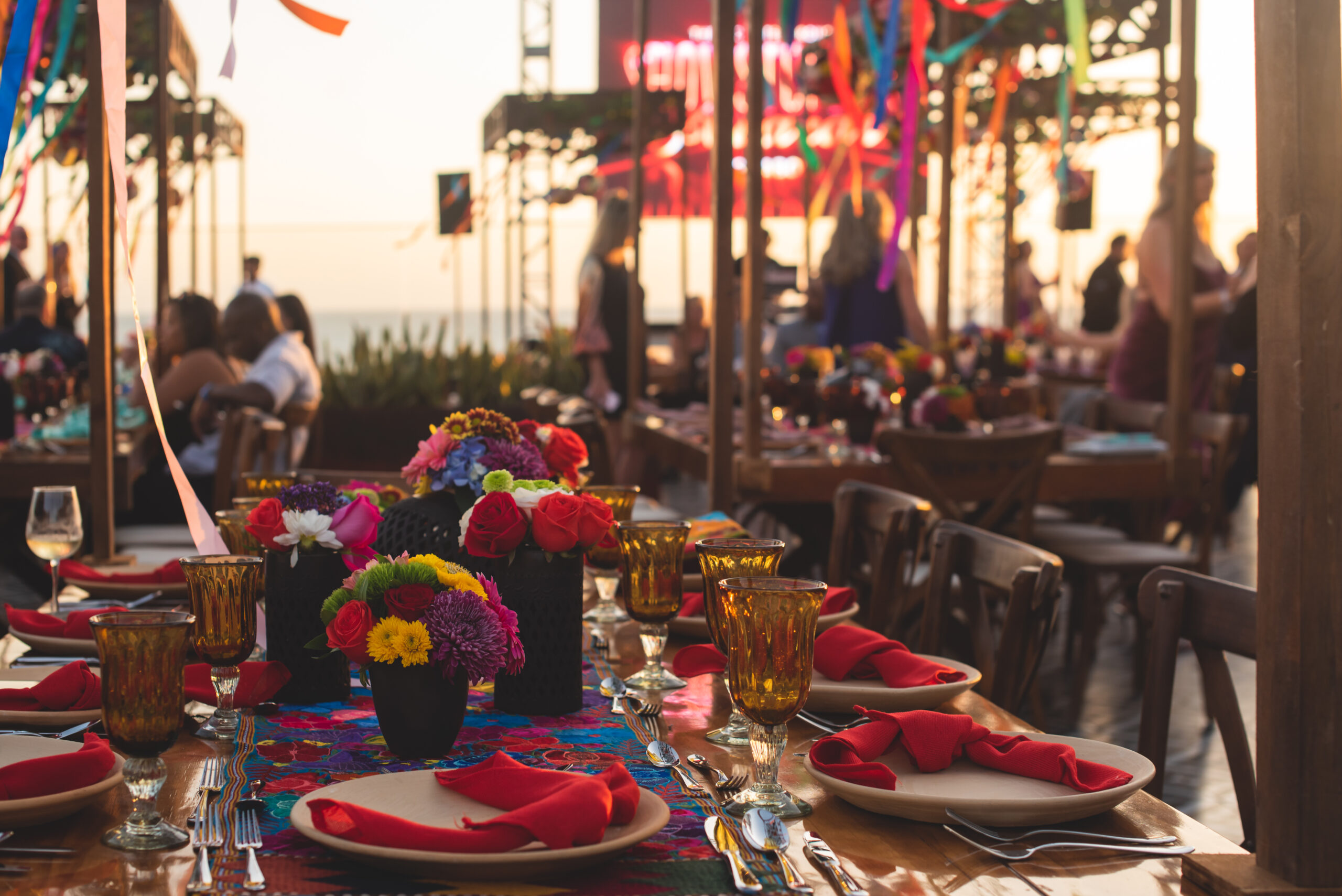
There is something special that happens when a group of Mexicans get together that isn’t found in a restaurant, no matter how good the food is. The Festival Gastronomique Sabor a México was a weekend that was filled with masterclasses of traditional cooking, amazing chefs, incredible culinary experiences alongside incredible artworks and cultural events but it was also like your favorite house party with your tias, tios and cousins who aren’t your cousins. Sunday night ended with tacos, tamales and everyone dancing together, vendors, professional dancers, guests and the DJ.
After leaving the event I thought about who I had met, what I had learned and more importantly what I wanted to keep with me from my culture after the celebration was over.
Food is Connection to Culture: And Mexicans are Experts
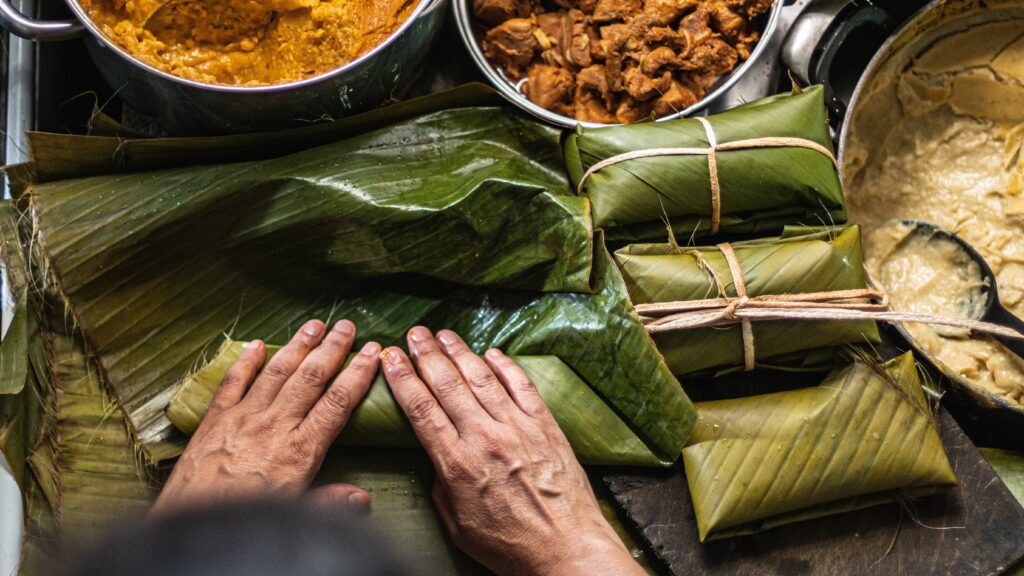
Carnitas, tamales, pan de muerto and puercos all brought me back to core memories with my (white) mom and grandma in the kitchen making hundreds of tamales as a Christmas tradition. The tamales at the Festival Gastronomique Sabor a México were complete with soft and unctuous masa, filled with slow cooked, perfectly balanced (but real) spicy pork, all wrapped and served steaming hot in the traditional banana leaf. One bite brought me back to that Christmas tradition and the immediate understanding that banana leaf gives a completely different texture to a dish I have tried only in corn husk form.
Carnitas are another Mexican specialty that are hard to find in Paris. You can find tacos al pastor and carne asada but carnitas are a specific Michoacán specialty making them harder (not impossible) to find in Paris. A byproduct of what the indigenous cultures did with the colonizer introduced protein, the slow cooked pork is bathed in lard and seasoned with cloves, Mexican oregano, black pepper corns, onion, garlic, thyme and bay leaves all in a cazo de cobre (copper casserole pot), is melt in your mouth good. Often compared to a confit, there is something about the way carnitas are flavored that make it incomparable to anything before or after it.
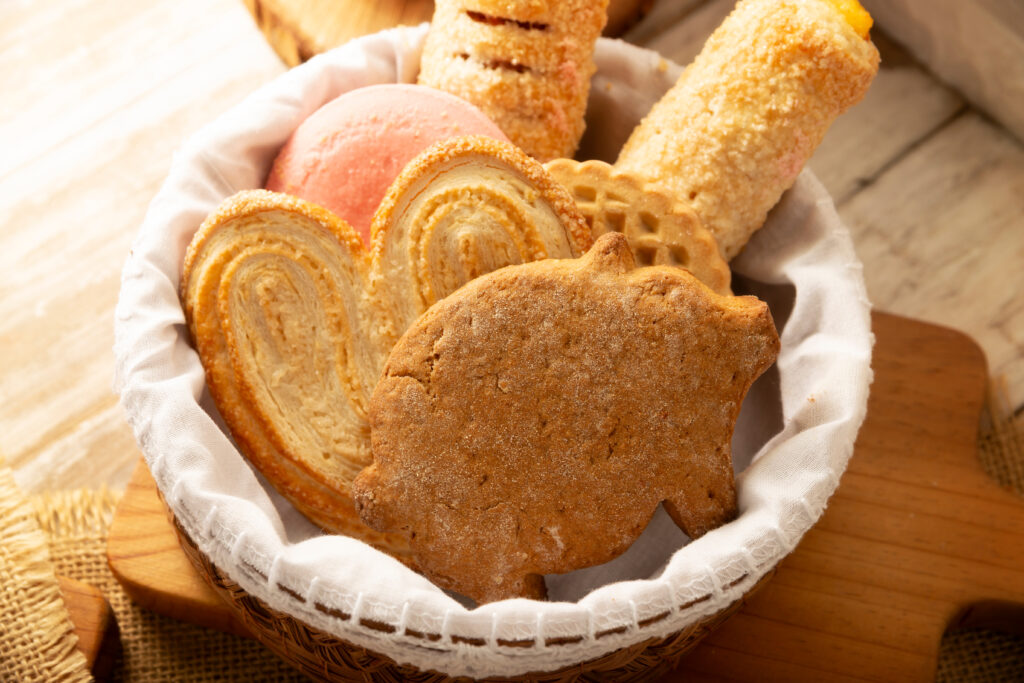
Puercos (pigs) or Marranitos, are like a Mexican gingerbread that are fluffy and lightly sweetened, making it much easier to have two or three in a seating than your traditional gingerbread cookies that hit you in the face with molasses. They are simple and cute and my youth was filled with them. I even brought some back for my mom who is a fan.
While this was just a taste of what was found at the festival, these staples brought back so many memories tied to learning and discovering my culture that it can’t go without saying that food is the easiest entry point to learning about different heritages and traditions. The flavors, techniques and stories that make up food are unique not only to each culture but each household and their traditions.
Joyful Celebration: Gathering Without Pretense
After living in France for over a decade and a half, what I have come to learn is that the way we gather speaks volumes about where we come from. What is crazy to some cultures, asking your guests to pay their part for a dinner you invited them to at your home, is totally normal to others, the Dutch. Where in Europe we are often searching for a community through paid activities like pickle ball or networking events, more often that not, Mexicans and other similar cultures find community in the everyday. A trip to the market could result in a conversation with a new friend and an invitation to the next cookout, something that in France is unheard of (unless intoxication and sexual desire is involved).
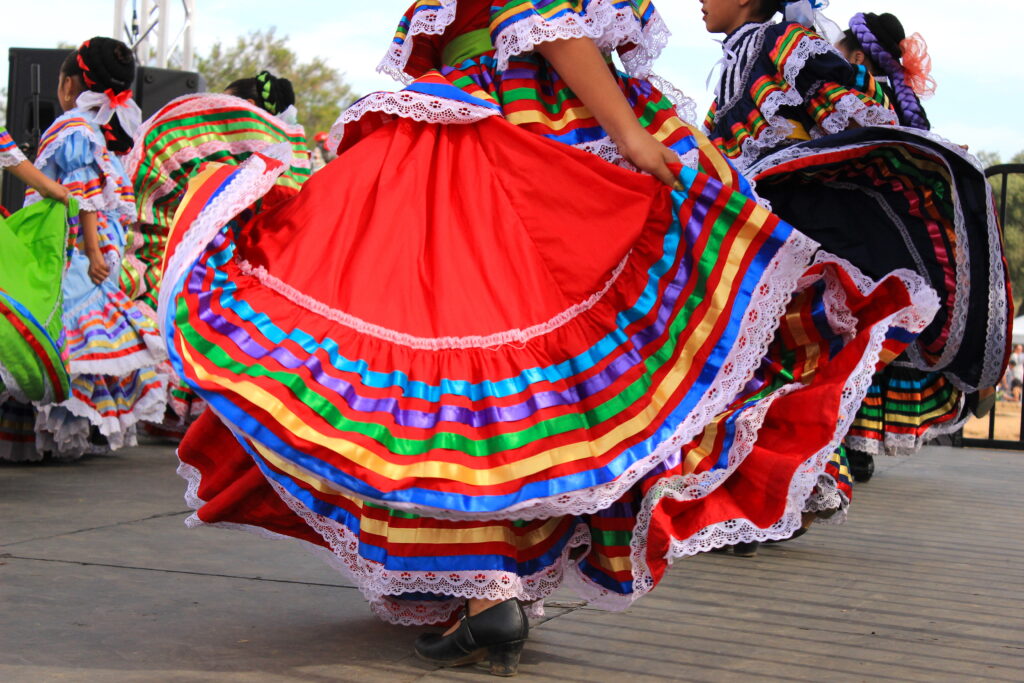
There are at least 6 New York Times Best Selling books about how to build community when, in reality, all we need is the true masterclass that I witnessed at the Festival Gastronomique Sabor a México. There was no pretense, no “acceptable” ways of behaving; put your napkin on your lap, don’t make a ruckus, eating with your hands is uncouth, etc. It was the gritos (ay, ay ay!’s) when the dancers were on fire and the standing up to dance alongside them as they made their way to the dance floor that was a beautiful reminder of what joy and enjoyment truly look like.
Many cultures understand this way of gathering, the noise, the laughter, the lack of boundaries with strangers that make community happen. It isn’t about pretense or posturing, it’s about pure and unadulterated joy. Honestly, a joy that can sometimes feel very distant in the city of light.
The La Esquinita: An Authentic Mexican Market in Paris
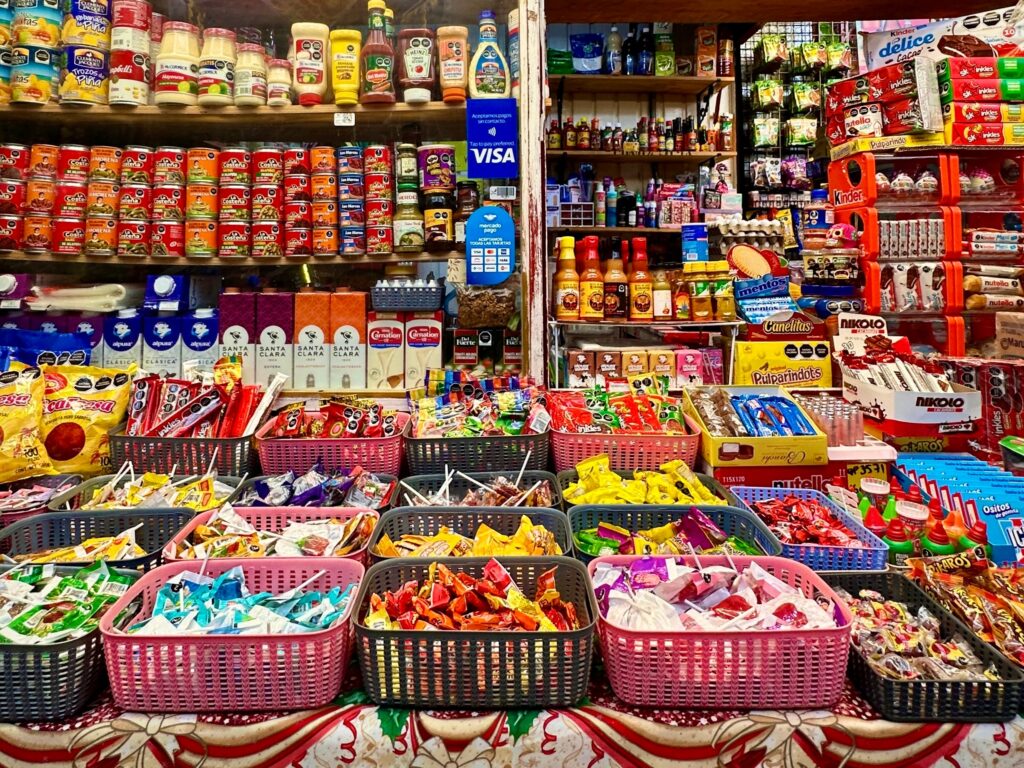
Maybe it’s being wrapped up in my day in and day out but I was unaware of the treasure trove that existed in my own backyard, La Esquinita in the second arrondissement (36, rue de la Lune 75002, Paris). Home to genuine Mexican goods and a place I will now and forever be visiting as I move through my Parisian life. Masa, tortillas, salsa, chiles and even Mexican beer are all just footsteps away from me, meaning I can bring some of my family traditions back to life even while living abroad.
Overall this weekend was an awakening or rather a reawakening of the values, traditions and community I hold dear and often feel far removed from, whether my lack of proximity or (now) language skills. The Mexican spirit is something I hold dear to my heart and something I will infuse into more corners of my life moving forward. Especially the carnitas and joy of it all!
Discover the Exhibit
Consciousness is a state of awareness that exists in all of us.
Through this exhibition, we explore consciousness through the lens of four incredibly talented artists. They offer a global perspective shift in consciousness and how through different cultural lenses the idea of consciousness changes.
Whether it is captured through the eyes of another, in contemplation, within the evolution of self or in stillness, they all truly capture that inner knowing that lives inside of us all.
Consciousness


Javier garcía sánchez
03
Klazicmoskoart
02
Kknairuti
01
munyange
04
Discover the Artists
Osé Presents
Have a story to tell? We'd love to hear it. Let’s begin with a simple note.
And everywhere in between
Paris, san Francisco, Casablanca