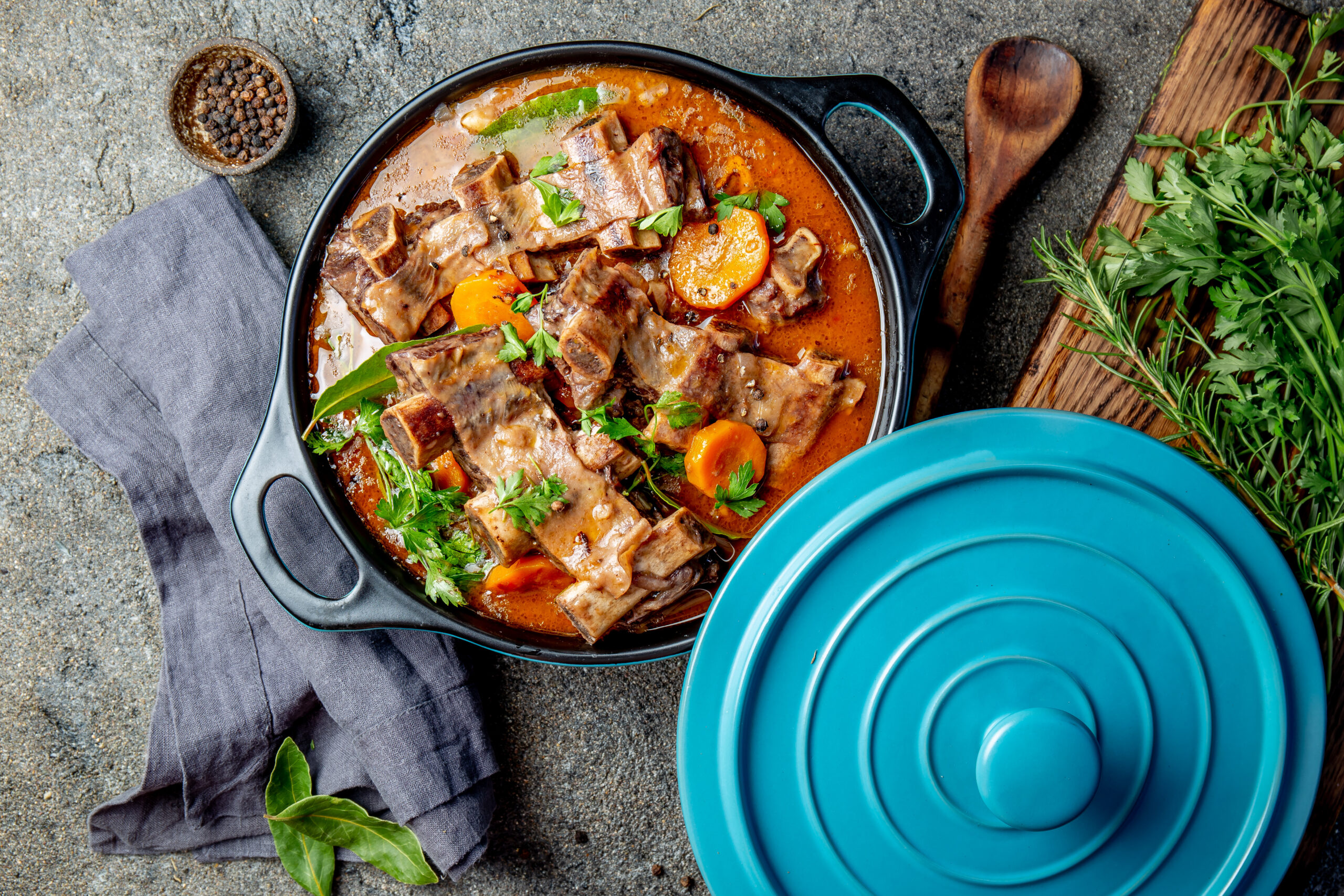
Everything is Better with Butter: The Art of Traditional French Cuisine
Considered the birthplace of modern cuisine, France’s reputation for its butter, baguettes and culinary excellence, precedes it. However, France has had a long and rich relationship with food. Whether it was the focus on acidic notes in the Middle Ages or the reign of sugar, in water, on meat and fish, that hit in the 16th century, the birth of the restaurant, the chef and recipes post French revolution, the popularization of the cookbook, the invention of the star rating system or modern gastronomy, French culture has the deepest of understanding of the culinary arts.
Whether you’re sick of seeing an increase in mediocre burger joints, fried chicken spots and generally disappointing restaurants or the plethora of healthmaxxing, calorie deficit-ing and detoxing talking heads on your social media feed, or maybe both. The answer lies in returning to the beginning and embracing the cuisine, and ingredients, that started it all.
Butter and Cream: The Heart and Soul of French Cooking
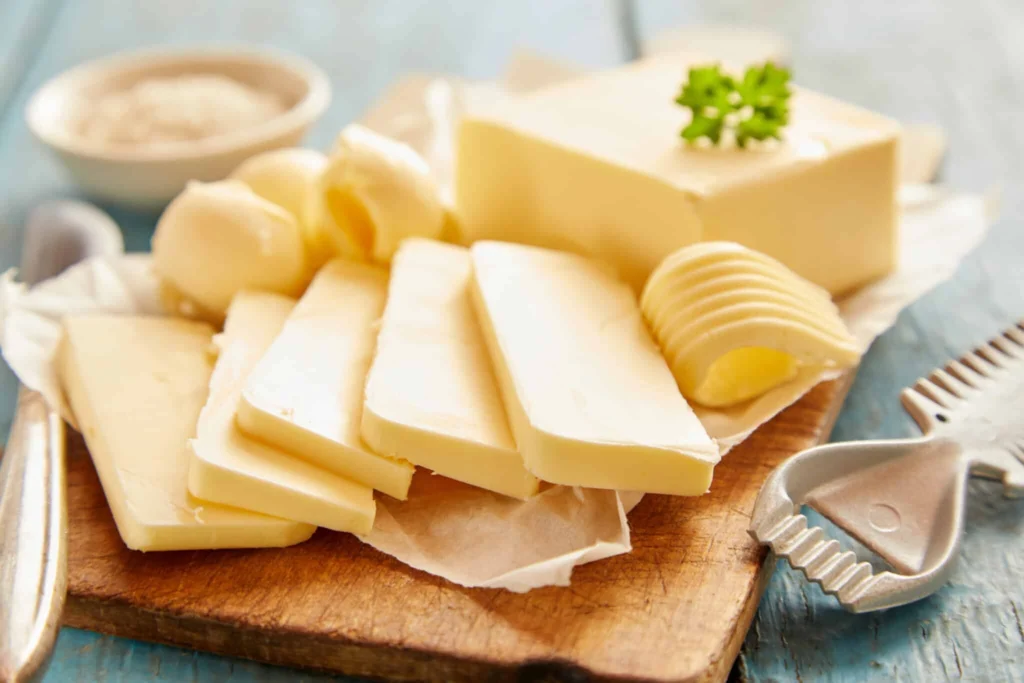
Butter and cream are the stars of the show and everyone knows that the base of any great butter is good cream. Why is French butter a coveted ingredient for chefs across the globe? Thanks in large part to strict legal butter protections put in place in December of 1988 outlining that consumer butter must contain a minimum of 82% fat (compared to less than 80% in other countries), while professional butter must contain at least 84% fat. Higher fat content provides a richer flavor, better texture and less water making it a superior experience on the palette and perfect for the acclaimed pastries, cakes and delicacies France is known for.
While almost any butter you find at a grocery store in France is going to be better than the best of butters you can find anywhere else around, there are a few things that make one butter superior to another. Salt content is a key factor in taste, and in this author’s humble opinion salted butter is the only way to go, the three levels include, sweet (0% salt), semi – salted (0.5% – 3% salt) and salted (>3% salt). Lastly, certain butters such as, Isigny Sainte-Mère and Beurre Charentes-Poitou have AOP (Protected Designations of Origin) status which are regions that are highly protected and controlled by the French and European governments ensuring only the best quality.
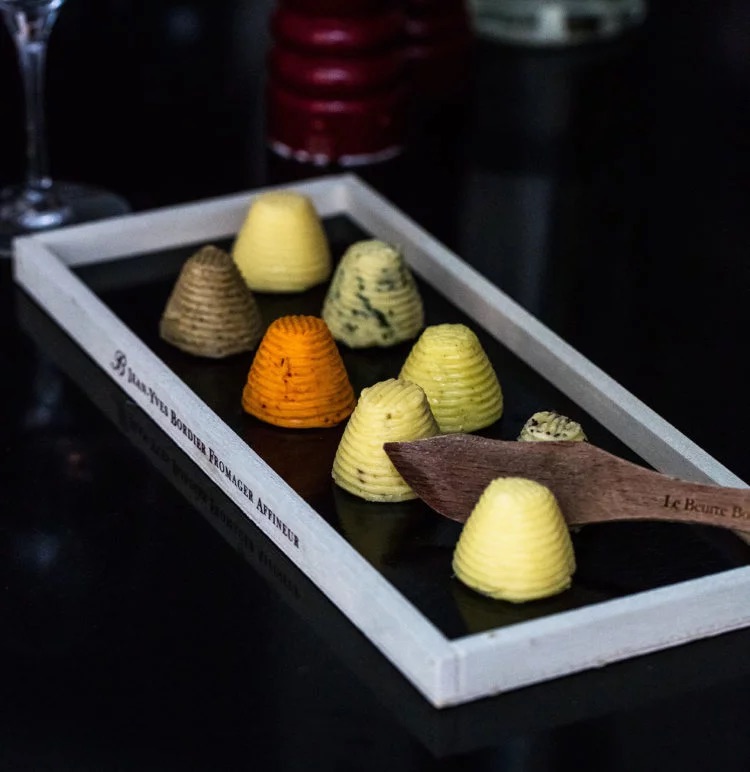
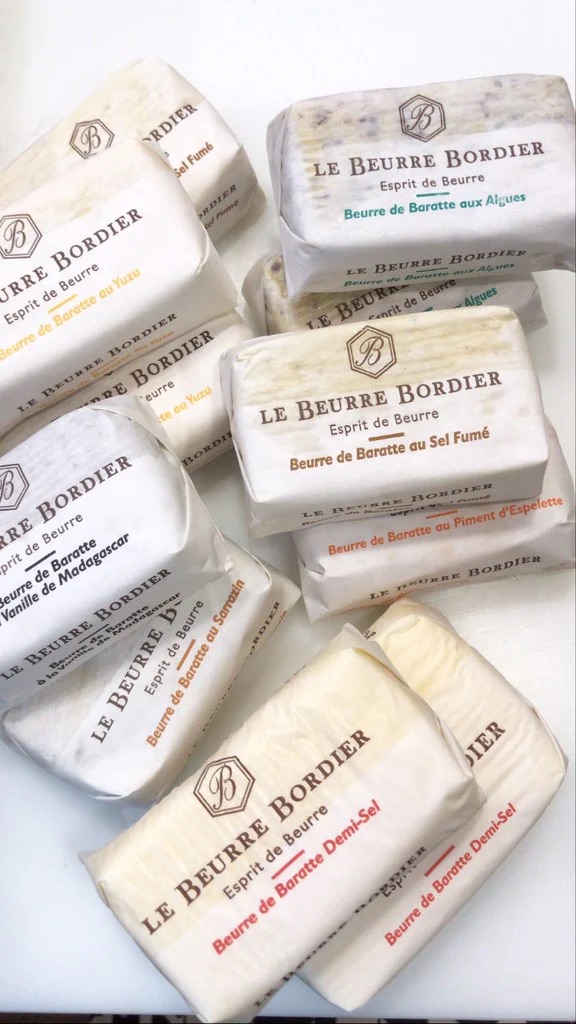
Photo Courtesy of: La Maison Bordier
Le crème de la crème (pun absolutely intended), however, is Le Beurre Bordier. The epitome of French savoir faire, Le Beurre Bordier, works exclusively with cream from Bretagne, Normandie and Pays de la Loire, which is churned by the Olga family dairy farm in Noyal-sur-Vilaine, keeping the entire process within 100 kilometers. The cream is mixed and churned horizontally with a clod, salted to perfection and shaped into small pats or bricks of 125 – 250 grams. With every flavor from traditional sweet, semi salted and salted to seaweed, raspberry, madagascarian vanilla, espelette pepper and yuzu just to name a few, this butter is beloved by Michelin chefs and home cooks alike. Available in Paris at La Grande Epicerie de Paris and other fine grocers across the city, this 6 euro per 125 gram butter is worth indulging in.
La Baguette: Vive la Révolution
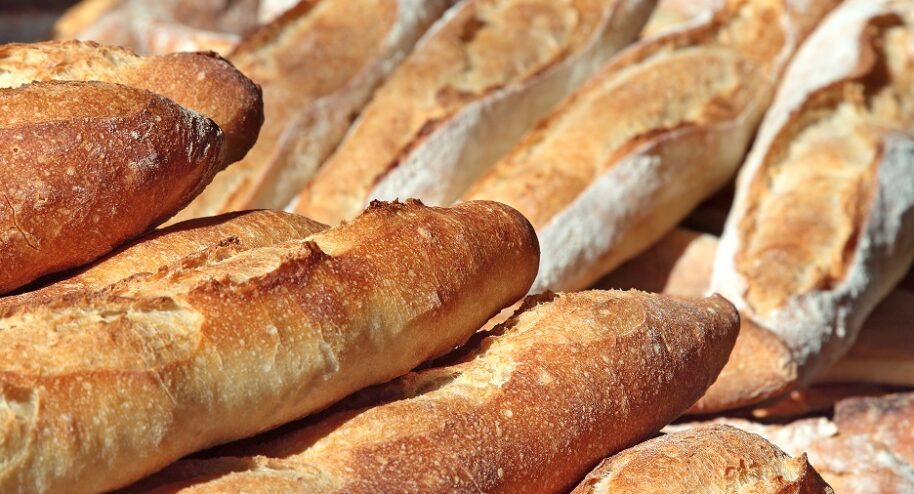
If you have ever cracked open a freshly baked tradition (the best of the baguettes) from a boulangerie in Paris, god help you if it was warm, you know the bread in France is so good it was worth fighting for. The fight for the moniker of best bread began in 1793 with the Revolutionary law “Bread of Equality” which mandated that wheat bread was for everyone, not a luxury reserved for the rich. The punishment for noncompliance? Imprisonment. The next big change to bread in France’s history came in the 1920’s when a law banned bakery work from 10pm – 4am (22h – 4h), forcing bakers to speed up the process thus creating the faster baking long thing flutes you see in the modern day baguette. The latest insurance that bread in France remains pure and delicious came in with the processed food wave of 1993. The most serious sounding of all the laws, “Le Décret du Pain” (The Bread Decree) strictly and legally outlines what can be considered a bakery and bread in France. The law includes that the baguette de tradition française can only contain 4 ingredients (flour, water, salt and yeast) and must not contain any preservatives or additives, it must weight 250g, be made on site (not from frozen dough) and a boulangerie can only be called as such if everything is made from scratch on site.
There’s no doubt that France takes bread seriously and from the moment you bite into a tradition you understand it’s not for naught but for everything simple, pillowy good and perfectly right with the most basic of ingredients. If you were concerned that France doesn’t take its bread seriously enough, each year in Paris a baguette competition is held to declare the best baguette in Paris through blind tasting. This year B&S Nation and L’Ecrin Gourmand took second and third places respectively.
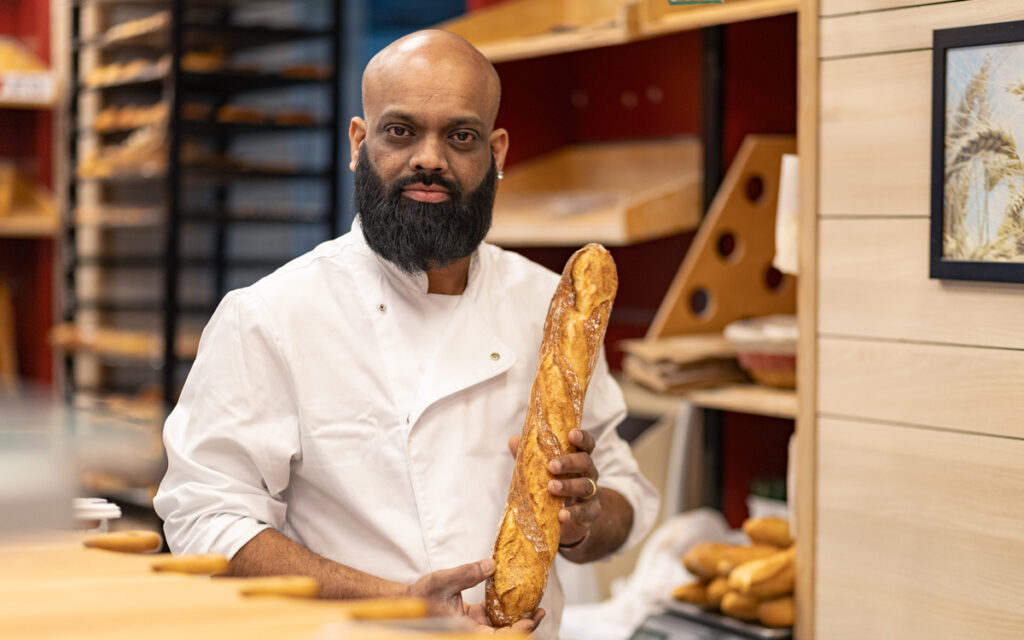
Photo Courtesy of: Mairie de Paris
This year however, the winner of the honored name of Best Baguette in Paris, the one who gets to furnish the President’s bread for the year at the le Palais de l’Élysée was Fournil Didot found in the 14th arrondissement tucked in the corner of a classic Haussman style building. Sithamparappillai Jegatheepan, a Sri Lankan born chef, beat 142 other baguettes for the Grand Prix, Jegatheepan raised the already high bar of French baguette making by letting his dough rest 24 hours and making other small changes in the way the French classic is transformed from flour, water, yeast and salt into the delicious fluffy wonder it becomes.
The Classics: Mastering the Art of French Cooking
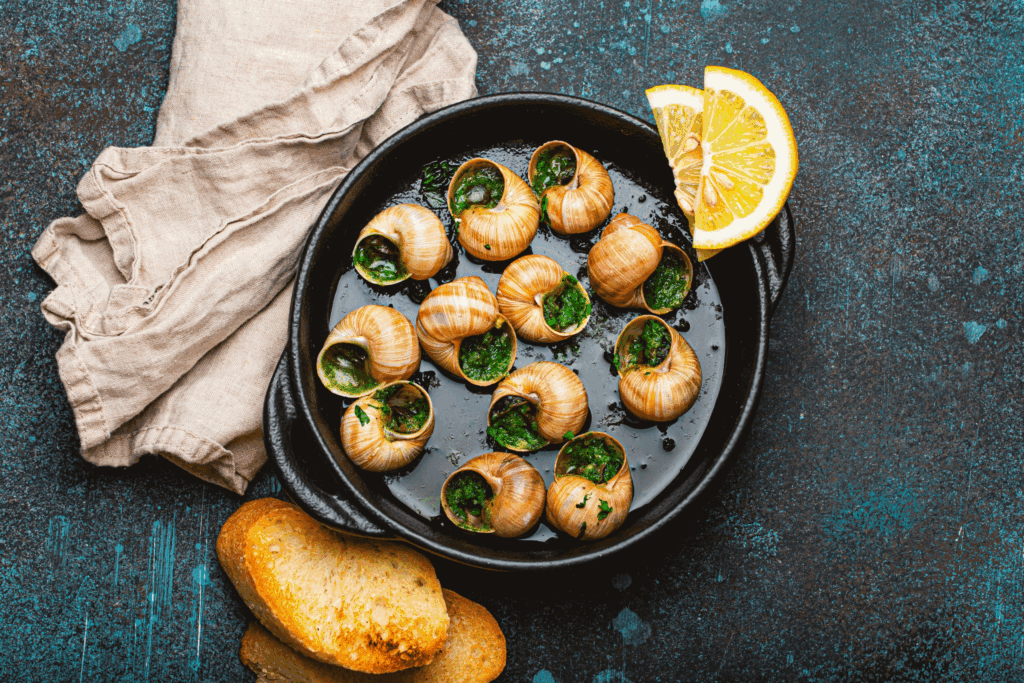
When first moving to France, in an effort to learn French, I started watching Top Chef France. Upon my first viewing I realized that food was different here. In the US Top Chef is based on high intensity and fast challenges, “make appetizers for 200 in 20 minutes”. Top Chef France is 3 hours long and they are “challenged” to make 4 plates of food based on a theme. That is French cooking in a nutshell, slow, precision, expertly crafted. That ethos is also reflected in the classic dishes of the country: Boeuf Bourguignon, coq au vin, soupe à l’oignon, escargot, magret de canard, croque monsieur.
The through line of these classics: butter, cream, time and thoughtfulness. Traditional French cuisine is something meant to be made from simple ingredients of the highest quality and crafted with acute attention to details. No need to substitute quinoa for the potato purée in the boeuf Bourguignon or add vegan cheese to the soupe à l’oignon. These dishes are perfectly balanced symphonies of salt, fat, acid and heat that have been fought for and protected under law for nothing more than the pleasure of indulging the best of the best food has to offer (well and socialism).
Have a story to tell? We'd love to hear it. Let’s begin with a simple note.
And everywhere in between
Paris, san Francisco, Casablanca